
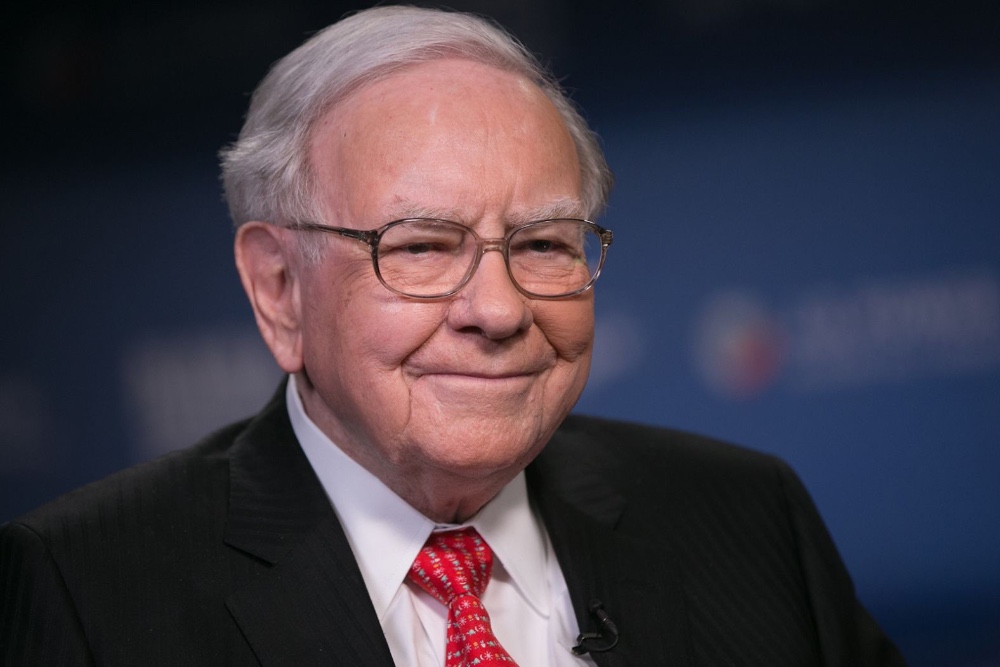
MARKET INSIDER – As global markets navigate uncertainty, Warren Buffett’s Berkshire Hathaway is sending a clear message of caution: hoard cash and wait for the right opportunities. The legendary investor’s conglomerate reported a robust 34% surge in third-quarter operating earnings to $13.485 billion, fueled largely by a tripling of insurance underwriting income. Yet, in a surprising twist, Buffett refrained from any share buybacks this year, allowing Berkshire’s cash reserves to balloon to a record $381.6 billion—surpassing even the highs set earlier in 2025.
This conservative stance comes at a time when Berkshire’s Class A and B shares have risen just 5% year-to-date, lagging far behind the S&P 500’s 16.3% gain. Investors are left pondering whether the 95-year-old Buffett, renowned for his value-hunting prowess, sees limited bargains in today’s elevated markets. Indeed, the company net sold equities in the quarter, booking a $10.4 billion taxable gain, further underscoring a deliberate pullback from aggressive investing.
The results highlight the strength of Berkshire’s diverse empire, spanning insurance giants like Geico, railroads such as BNSF, and a host of manufacturing and retail operations. The insurance segment’s underwriting profit alone skyrocketed over 200% to $2.37 billion, demonstrating resilience in a sector often battered by natural disasters and economic volatility. Overall net earnings, including investment gains, climbed 17% to $30.8 billion, painting a picture of operational excellence amid broader market headwinds.
Adding to the intrigue is Buffett’s impending leadership transition. Announced in May, the billionaire will step down as CEO at year’s end after six decades at the helm, handing the reins to Greg Abel, vice chairman of non-insurance operations. Buffett will retain his role as chairman, but Abel will assume responsibility for the famed annual shareholder letters starting in 2026. The news has contributed to a double-digit tumble in Berkshire shares from their all-time highs, as markets grapple with the erosion of the “Buffett premium”—that intangible value investors place on his unparalleled track record in capital allocation.
Despite the cash buildup, Berkshire isn’t entirely idle. Last month, it inked a $9.7 billion deal to acquire Occidental Petroleum’s petrochemical unit, OxyChem—its largest acquisition since the $11.6 billion purchase of insurer Alleghany in 2022. This move signals selective opportunism in energy and chemicals, sectors with global implications for supply chains and inflation.
For international investors and business leaders, Berkshire’s strategy offers a masterclass in patience. With geopolitical tensions, interest rate fluctuations, and economic slowdowns looming worldwide, Buffett’s playbook suggests preparing for volatility rather than chasing short-term gains. As Abel steps into the spotlight, the world watches to see if he can sustain the conglomerate’s legacy of turning caution into compounding wealth.
