
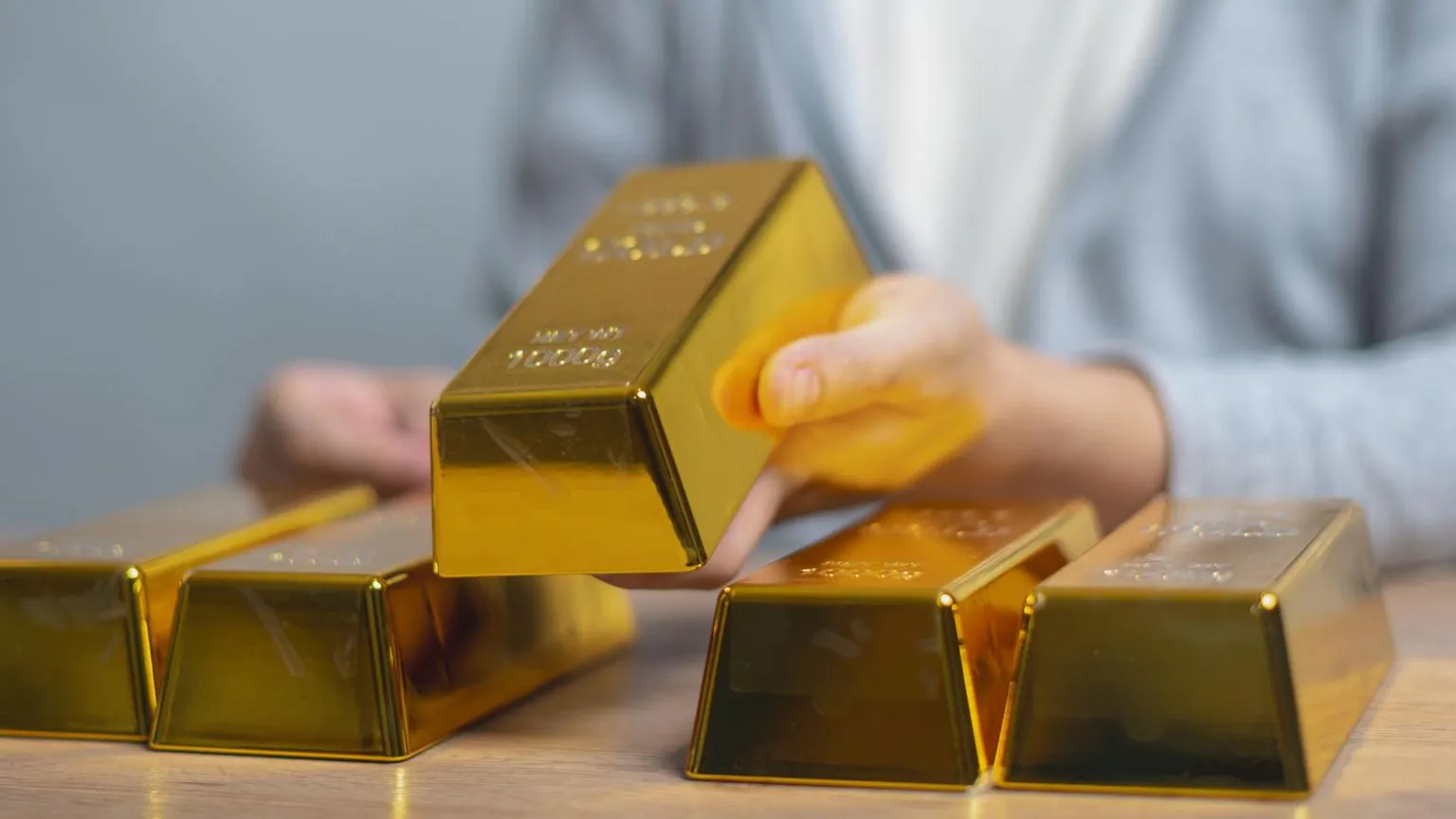
Precious metal down >10% since conflict began; real yields rise, rate-cut bets vanish, speculative froth evaporates
MARKET INSIDER – Gold, once the undisputed star of 2025’s “debasement trade” and a magnet for retail speculators, has abruptly lost its shine. After months of robust gains fueled by dollar weakness, central-bank buying, AI-driven data-center demand, and a surge in everyday investor enthusiasm, the metal has plunged more than 10% since the U.S.-Israel war with Iran erupted in late February 2026—erasing much of its earlier momentum and leaving many wondering why the classic inflation hedge is failing to perform amid surging energy costs.
The disconnect is stark: with oil prices hovering near $108 per barrel and producer-price pressures mounting, conventional wisdom would expect gold to rally as a hedge against imported inflation. Instead, three interlocking forces are driving the sell-off:
First, gold does not mechanically track headline inflation. Its real driver is inflation-adjusted (real) interest rates, which have climbed sharply since the conflict began. Rising real yields make non-yielding assets like gold less attractive relative to interest-bearing alternatives.
Second, markets have abandoned expectations of Federal Reserve rate cuts in 2026. Bond yields have surged as investors price in an energy-driven inflation shock that Fed Chair Jerome Powell acknowledged Wednesday is under close watch. Gasoline prices at the pump are already climbing, and the combination has pushed real yields higher and extinguished any near-term easing premium. As of Thursday, the bond market priced in zero rate cuts for the year—removing one of gold’s key tailwinds.
Third, the speculative froth that propelled gold’s late-2025 surge is rapidly deflating. Retail traders and momentum players—who turned the traditional safe haven into a high-beta bet—have headed for the exits once easy gains disappeared. Market veteran Ed Yardeni captured the dynamic succinctly: “Profit-taking following a meteoric rise.”
Where is the safety-seeking capital going instead? The U.S. dollar has emerged as the primary beneficiary. The Dollar Index has risen about 2% since the war started, gaining against most major currencies as investors rotate into the world’s reserve currency amid geopolitical uncertainty.
Looking ahead, gold’s trajectory hinges on the duration of the Iran conflict. A prolonged war keeps energy prices elevated, real yields firm, and rate-cut hopes suppressed—conditions that weigh on the metal. Only after the fighting de-escalates, inflation fears moderate, and the weakest speculative hands are shaken out could gold reclaim its traditional safe-haven role. Until then, the greenback’s relative strength and higher-for-longer yields are siphoning flows that once fueled the precious-metal rally.
For global investors, the message is cautionary: gold’s performance in this cycle has exposed the limits of its inflation-hedge narrative when real rates dominate and speculative positioning unwinds. Those still holding may face near-term pressure, but a genuine resolution in the Gulf could quickly restore the metal’s appeal—potentially at more attractive entry levels once the dust settles. The contrarian question gripping trading desks: is this a healthy correction in an ongoing bull market for gold, or the end of its 2025-2026 party?
