
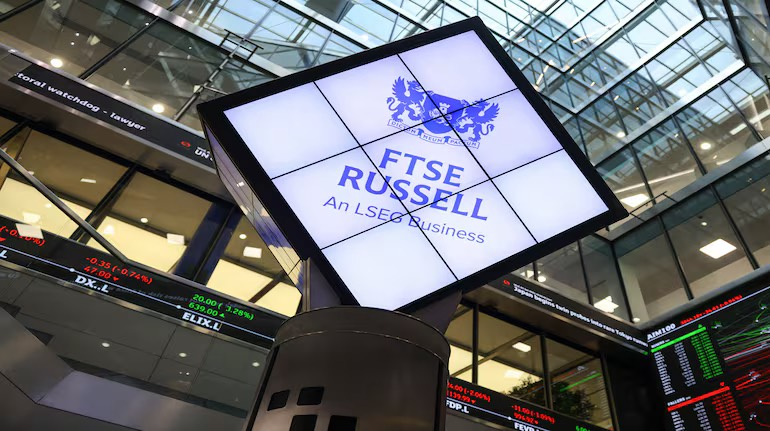
LONDON – As FTSE Russell prepares to announce its market classification review results after U.S. markets close on October 7, 2025, anticipation is building over whether Vietnam will be upgraded from Frontier Market to Secondary Emerging Market status. If approved, the inclusion would take effect in March 2026, potentially reshaping global capital flows into Southeast Asia’s fastest-growing economy.
Strong Progress Toward Meeting FTSE Russell’s Standards
Vietnam has been on FTSE’s Watch List since 2018, and recent reforms suggest the country is closer than ever to meeting the upgrade requirements. FTSE Russell evaluates markets on several critical dimensions:
- Market Accessibility & Openness: Ensuring foreign investors can freely invest, repatriate capital, and operate without undue restrictions.
- Settlement, Clearing, and Trading Rules: A transparent delivery versus payment (DvP) system, minimal pre-funding, and efficient trade settlement.
- Size and Liquidity: Adequate market capitalization, free-float levels, and trading turnover to ensure robust market depth.
- Institutional Quality: Strong corporate governance, disclosure standards, and regulatory frameworks.
- Sustainability of Reforms: Assurance that improvements are durable and not temporary.
Currently, Vietnam is estimated to meet most of nine FTSE criteria. The key outstanding challenge has been the settlement cycle, where investors were previously required to pre-fund trades.
Recent Reforms Bolster Vietnam’s Case
In March 2025, FTSE Russell acknowledged Vietnam’s introduction of a non-prefunding (NPF) model for trade execution, a major step toward alignment with global standards. While the system is still under market scrutiny, it demonstrates the government’s commitment to structural reform.
Authorities have also amended the Securities Law, modernized trading systems, and improved disclosure and investor protection measures. A clear roadmap for the upgrade has been laid out, aiming for inclusion in 2026.
Investor Optimism Rising
Market analysts are broadly optimistic. Projections suggest that Vietnam’s upgrade could trigger significant inflows: First wave of ETF allocations could exceed USD 680 million. Longer-term inflows could reach several billion USD, boosting liquidity and potentially driving a market re-rating.
For Vietnam, the upgrade is not just symbolic—it validates years of reform and will elevate its position among global investors seeking exposure to high-growth emerging markets.
Remaining Hurdles
Despite the progress, FTSE has consistently emphasized that Vietnam must fully resolve settlement and clearing issues, particularly ensuring that the DvP model functions reliably without pre-funding. Other lingering concerns include foreign ownership caps in sensitive sectors and limitations in derivatives and short-selling infrastructure.
These challenges mean that while Vietnam is a strong candidate, the upgrade is not guaranteed.
Outlook: A Finely Balanced Decision
The forthcoming FTSE Russell announcement is widely seen as a turning point. Approval would mark Vietnam’s long-awaited elevation to Secondary Emerging Market status, effective March 2026.
Even if deferred, the trajectory remains positive: Vietnam has demonstrated the political will and regulatory commitment to meet global standards, and investors can expect momentum for reform to continue.
Vietnam stands on the cusp of a major milestone. For investors, the country represents one of the most promising stories in Asia: a dynamic economy, improving market infrastructure, and a potential reclassification that could unlock billions in global capital flows.
The decision may be finely balanced, but the direction of travel is clear—Vietnam is fast emerging as a serious player on the world’s financial map.
