
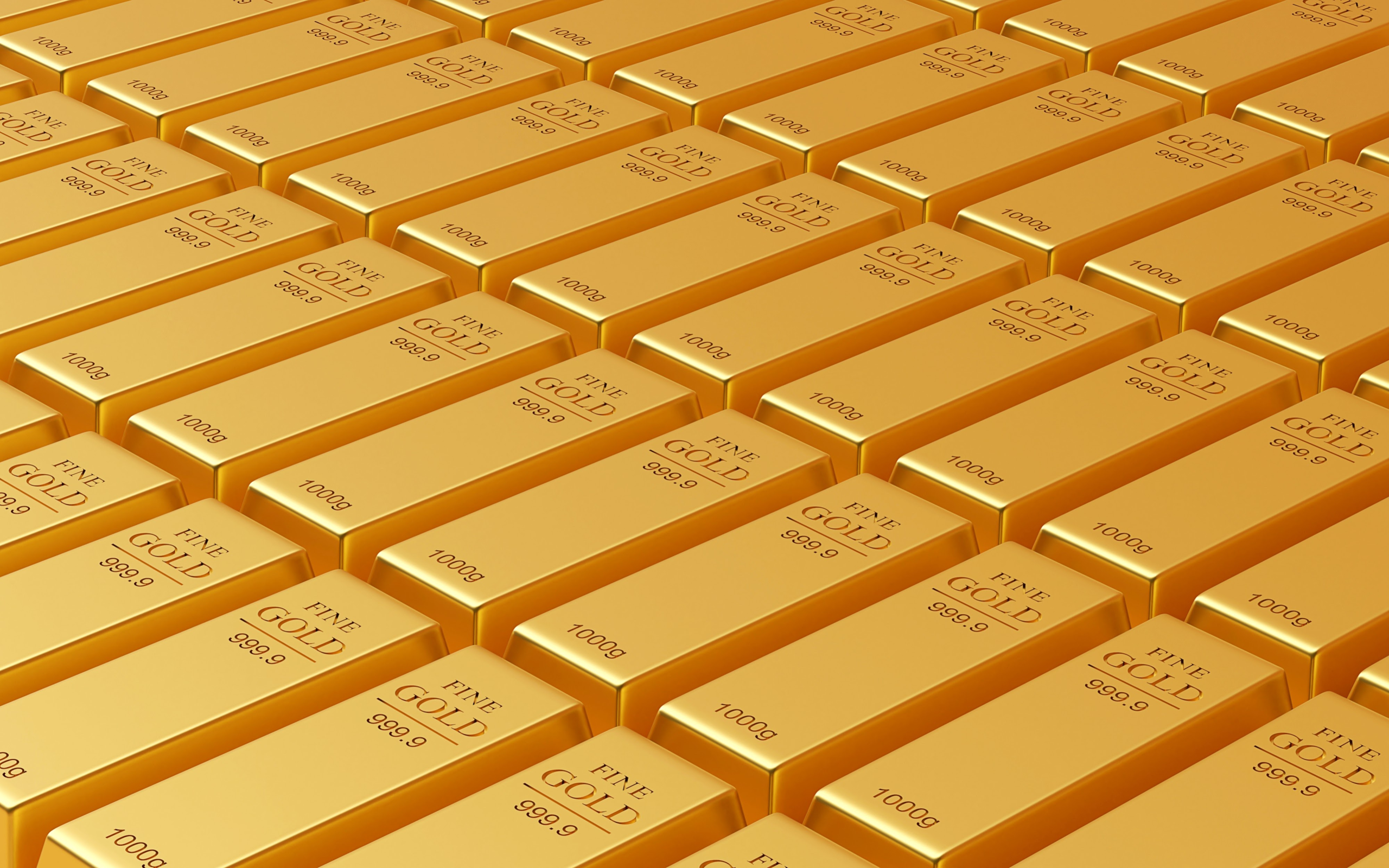
MARKET INSIDER – The world’s gold rush is nearly over. According to the latest estimates, humanity has already unearthed nearly three-quarters of all the economically recoverable gold on the planet. This extreme scarcity—and the geopolitical tensions driving its historic price surge—is why every business leader, central bank, and savvy investor needs to understand what’s left and who is fighting to get it.
Based on data from the World Gold Council (WGC) and the U.S. Geological Survey (USGS), a staggering 216,265 tonnes of gold have been mined throughout history. If you could melt that entire colossal fortune down, it would form a single, four-story-tall cube, roughly 22 meters high. That visualization underscores just how finite this perennial safe-haven asset truly is.
The Final Reserves and the New Gold Standard
The critical number for the global financial community is the remaining, extractable reserve: an estimated 64,000 tonnes. This remaining supply could be cast into a cube just 15 meters high. This physical limitation is directly fueling the metal’s role as a shield against global instability, pushing its price to a record-breaking $4,000 per ounce in 2025.
This unprecedented rally, which saw gold’s price jump 50% in a single year, is not merely driven by inflation fears. It is a calculated reaction by global investors to a cocktail of a weakening US Dollar, escalating geopolitical conflicts, and persistent economic uncertainty. The scarcity factor, which has always been central to gold’s value, is now amplified by global financial fragmentation.
The Geopolitical Pivot to Gold
Central banks, holding approximately 17% of the world’s total mined supply, are driving a significant portion of the demand. The world’s largest economies, including China and other major BRICS nations, are aggressively reducing their exposure to U.S. Treasury bonds. This strategic shift is a direct response to Washington’s increasingly weaponized financial sanctions, particularly those leveled against Russia since 2022.
Instead of holding U.S. debt, these nations are stacking gold—a globally recognized, sanction-proof asset. One major BRICS economy, for instance, repatriated nearly 64 tonnes of gold in just six months and now strategically stores two-thirds of its reserves domestically, signaling a profound lack of faith in the existing global financial architecture. For international investors and analysts, this repatriation trend is perhaps the most powerful signal of a global pivot away from dollar dominance.
The Future of the Gold Industry
As the remaining 64,000 tonnes become harder to find and more expensive to extract—with new, high-yield mines becoming increasingly rare—the global gold industry is undergoing a paradigm shift. Miners are pivoting their focus toward advanced gold recycling technologies and the perfection of gold recovery methods from existing sources.
While this reserve figure seems low, it does not account for yet-to-be-discovered deposits. The crucial incentive driving future exploration is the high price: the $4,000/ounce mark makes previously uneconomical, low-grade, or small-scale deposits suddenly viable. This dynamic will spur a new, intense phase of global exploration and technological innovation in the years ahead.
Would you like a deeper breakdown of which countries are leading the central bank gold-buying spree and what that means for the US Dollar’s global standing?
Of course. The current central bank gold rush is arguably the most significant shift in global reserve strategy in a generation, and it has profound implications for the U.S. Dollar’s (USD) dominance.
The De-Dollarization Leaders: Who is Buying the Gold?
The trend of central bank gold accumulation has accelerated dramatically since 2022, with purchases exceeding 1,000 tonnes annually—a pace not seen in decades. This buying is primarily concentrated among a few key emerging market economies, reflecting a clear strategic diversification away from the U.S. financial system:
- China: A consistent, strategic buyer. The move to gold aligns with Beijing’s long-term goal of increasing the global role of the Yuan and decreasing vulnerability to U.S. financial sanctions.
- Poland: As a major buyer in the European sphere, the National Bank of Poland has aggressively increased its gold holdings, signaling a desire to reduce exposure to both the Euro and geopolitical instability on the continent.
- Turkey (Türkiye): A persistent buyer, Turkey has sought to use gold as a crucial hedge against its own high domestic inflation and currency volatility, alongside diversifying its international reserves.
- India: The Reserve Bank of India has steadily cut back its holdings of U.S. Treasuries, building up gold reserves to their highest historical levels, seeking a more stable store of value for its rapidly growing economy.
- Kazakhstan, Czech Republic, and El Salvador: These nations represent a broader group of smaller, but consistent, buyers actively rebalancing their reserves with the precious metal.
Crucially, this accumulation has led to a historic threshold being crossed: Global central banks now collectively hold more gold than they do U.S. Treasuries for the first time in nearly 30 years.
The Implication for the US Dollar: A Turning Point
This institutional gold rush signals more than just sound financial management; it is a direct challenge to the architecture of global finance that has been in place since World War II.
- Weaponization Risk: The primary driver is the concern over the weaponization of the US Dollar and the SWIFT payment system. After the freezing of Russia’s foreign reserves in 2022, non-aligned and adversarial nations now view holding large reserves in USD-denominated assets as a significant geopolitical risk. Gold, being a physical asset, is sanction-proof.
- Debt and Fiscal Stability: Nations are increasingly worried about the long-term reliability of U.S. Treasuries as the world’s “risk-free” asset. With the U.S. debt-to-GDP ratio exceeding 120% and interest payments rising, gold is seen as a superior, un-indebted store of value.
- De-dollarization Momentum: The collective buying accelerates the broader de-dollarization trend, where countries reduce their reliance on the USD for trade and reserves. This move toward gold-backed diversification is a foundational shift toward a more multi-polar global financial system, weakening the dollar’s status as the sole global reserve currency.
In short, the central bank gold-buying spree is a powerful vote of no confidence in the existing dollar-centric system, making gold a cornerstone of the new, more fragmented financial order.
