
U.S. president urges Britain to drill oil, ditch wind power amid Europe’s energy crunch
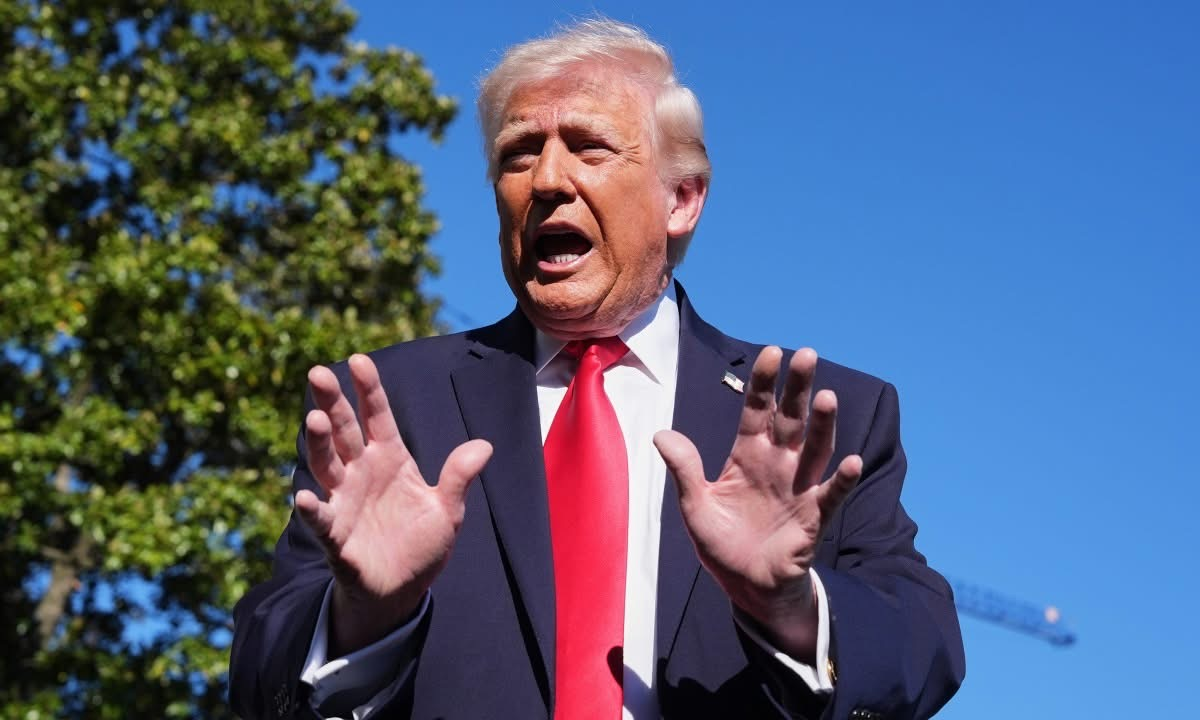
MARKET INSIDER – Europe’s fragile energy balance is once again in the spotlight after Donald Trump launched a blunt attack on the United Kingdom’s energy strategy, calling its refusal to expand North Sea oil drilling “absolutely crazy” at a time when the continent remains vulnerable to supply shocks.
Posting on Truth Social, Trump argued that Britain is sitting on one of the world’s most valuable untapped energy resources while continuing to import expensive oil from Norway. He claimed the U.K. is paying “double the price” for Norwegian North Sea oil, effectively exporting wealth while neglecting domestic production capacity.
At the center of his critique is the North Sea, a mature but still strategically vital oil and gas basin. Trump framed the issue as both economic and geopolitical, suggesting that cities like Aberdeen—long considered Europe’s oil capital—should be experiencing a renewed boom rather than stagnation. His message was clear: energy independence should take priority over environmental hesitation.
The remarks come as the United Kingdom continues to balance competing pressures—accelerating its transition to renewables while facing high energy costs and industrial competitiveness concerns. London has doubled down on offshore wind expansion as part of its net-zero strategy, even as critics argue that intermittency and infrastructure constraints still leave the system exposed during periods of peak demand.
Trump’s call to “drill, baby, drill” and abandon wind power entirely reflects a broader ideological divide shaping global energy markets. While the European Union pushes aggressively toward decarbonization, volatility in fossil fuel supply—exacerbated by geopolitical tensions—has repeatedly forced governments to reconsider the pace and sequencing of the transition.
For investors and policymakers, the real question is not whether Europe should choose between oil and renewables—but how to manage both without undermining energy security or economic growth. Trump’s comments may be politically charged, but they tap into a deeper market tension: in a world still heavily dependent on hydrocarbons, underinvestment in traditional energy can carry immediate and costly consequences.
As Europe navigates this delicate balancing act, the debate is likely to intensify. The contrarian view gaining traction in global markets is that the next energy supercycle may not be driven by renewables alone—but by countries that can pragmatically integrate fossil fuels and clean energy, rather than treating them as mutually exclusive.
