
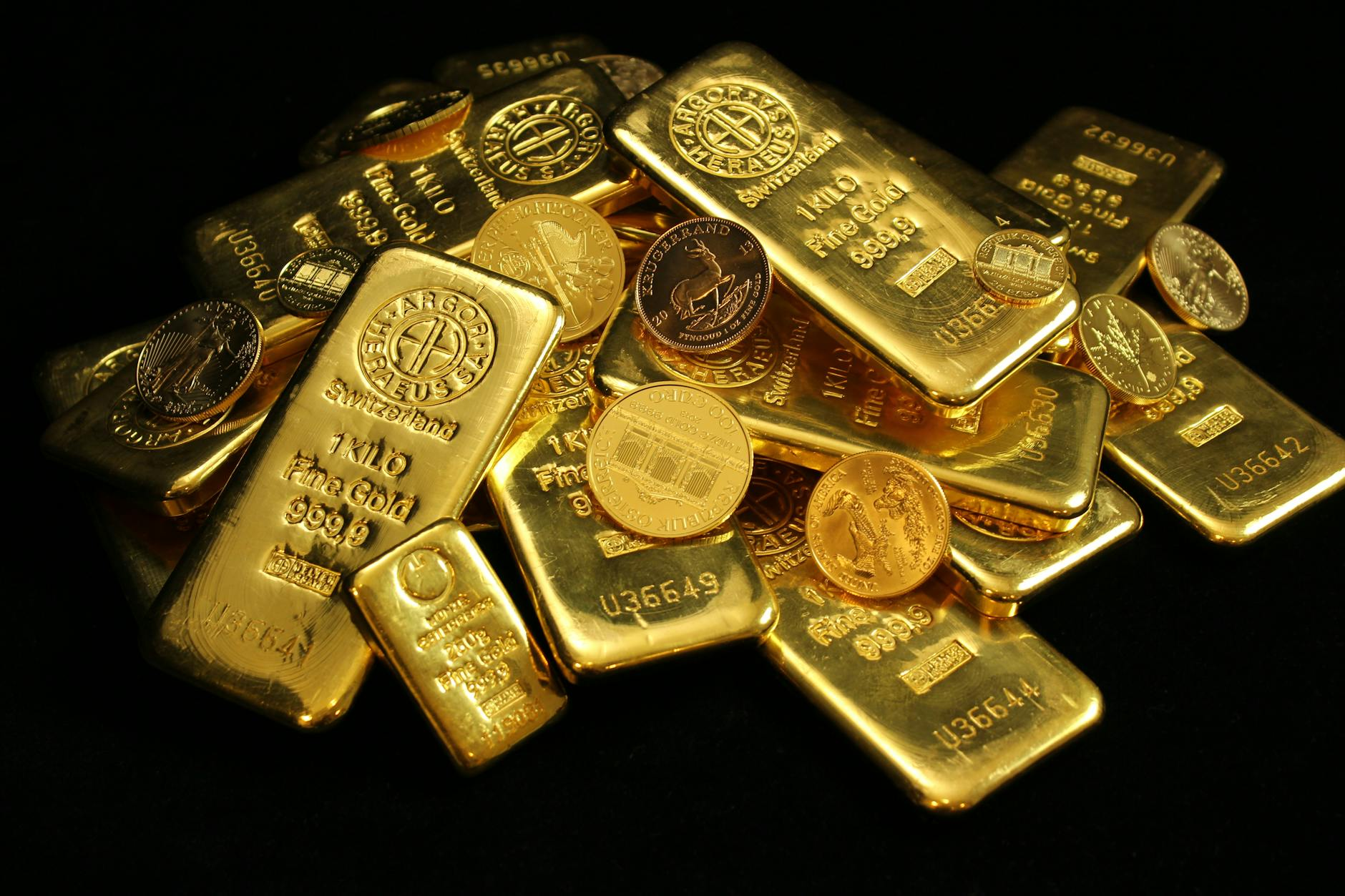
Stronger dollar and rising yields pressure bullion as investors unwind positions after record highs.
MARKET INSIDER – Gold is finding its footing after a sharp correction—but the broader trend remains under pressure. Spot Gold is trading near $4,370 per ounce, down about 21% from its January peak above $5,500, as investors reassess inflation risks, interest rates, and geopolitical dynamics.
The pullback reflects a powerful shift in macro conditions. A stronger U.S. dollar—measured by the U.S. Dollar Index—has risen roughly 3% since the onset of the Middle East conflict, making gold more expensive for non-dollar investors. At the same time, higher U.S. Treasury yields, with the 10-year yield near 4.38%, have reduced the appeal of non-yielding assets like bullion.
The reversal is notable given gold’s recent surge. The metal had rallied more than 60% over the past year, driven by geopolitical uncertainty, central bank buying, and growing concerns over fiscal deficits and currency debasement. However, as volatility increased, investors began unwinding positions—both to lock in profits and to raise liquidity amid broader market stress.
Analysts say the pattern is familiar. According to Rajat Bhattacharya, gold often rises sharply at the onset of crises before pulling back as investors rebalance portfolios or meet margin calls. This dynamic has been amplified by expectations that the Federal Reserve will keep interest rates elevated for longer, limiting the case for aggressive monetary easing.
The shift in sentiment is also tied to positioning. As one of the best-performing assets over the past year, gold had attracted significant institutional and leveraged inflows. When market conditions turned more uncertain, those positions were among the first to be reduced—accelerating the decline.
Yet the longer-term narrative remains intact. Structural drivers—including persistent geopolitical risk, rising global debt levels, and continued diversification by central banks—continue to support gold’s role as a strategic asset. For many investors, the current correction may represent a recalibration rather than a reversal.
The key question now is timing. If interest rates remain elevated and the dollar stays strong, gold could struggle in the near term. But if inflation stabilizes or geopolitical risks intensify again, the same forces that fueled its historic rally could quickly return—reminding markets that in uncertain times, safe havens rarely stay out of favor for long.
