
As 2025 draws to a close, global financial markets are delivering an outcome few investors anticipated at the start of the year.
While gold and silver have repeatedly broken historical records, Bitcoin and the broader cryptocurrency market have suffered a sharp reversal, underscoring a decisive rotation of capital away from high-risk digital assets toward tangible stores of value.
In the final weeks of December, expectations of a traditional “Santa Claus rally” in crypto markets faded, even as precious metals investors celebrated one of the strongest years on record. The contrast is striking and reflects a deeper reassessment of risk, liquidity, and trust in an environment marked by geopolitical tension and monetary uncertainty.
Gold has emerged as the clear winner of 2025. Futures prices surged beyond USD 4,550 per ounce in late December, hovering near all-time highs. Over the course of the year, gold established more than 50 new record levels and delivered an annual gain approaching 70 percent. This performance has reinforced gold’s role as a premier safe-haven asset, particularly as concerns over currency debasement and global conflict intensified.
Silver has been even more dramatic. Prices climbed above USD 75 per ounce, briefly approaching USD 80, translating into gains of roughly 150 to 170 percent since the beginning of the year. Unlike gold, silver’s rally has been fueled not only by investment demand but also by fears of physical supply shortages amid strong industrial consumption. Copper and platinum have also joined the rally, with copper prices in Shanghai nearing 100,000 yuan per ton, signaling broad-based strength across the metals complex.
Market strategists point to two primary drivers behind this surge. First is the need to hedge against currency depreciation as governments continue expansive fiscal and monetary policies. Second is heightened geopolitical risk, ranging from new sanctions regimes to regional conflicts that have pushed investors toward assets with long-established defensive characteristics. Louis Navellier, founder of Navellier & Associates, has argued that central bank buying and deep liquidity have allowed gold to decisively outperform cryptocurrencies, suggesting that even crypto-focused investors may need to reconsider their asset allocation.
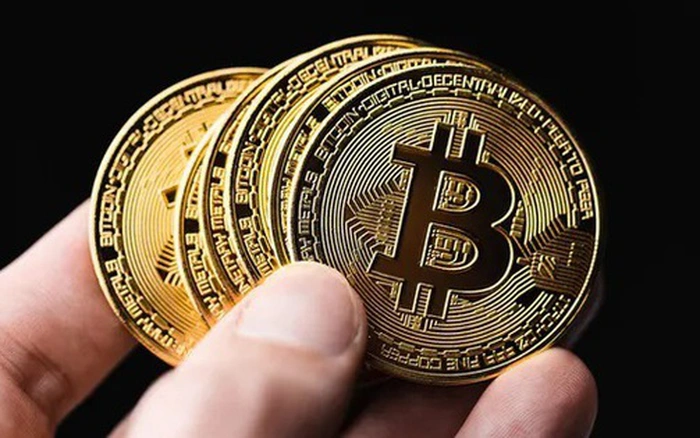
In stark contrast, Bitcoin has struggled. After peaking near USD 126,000 in October, the world’s largest cryptocurrency has fallen roughly 30 percent from its highs and is trading below USD 87,000. More concerning for long-term proponents is Bitcoin’s apparent loss of correlation with other risk assets. For the first time since 2014, it failed to rise alongside technology stocks and also lagged badly during the rally in precious metals. Longtime crypto critic Peter Schiff summarized the skepticism bluntly, questioning when Bitcoin would rise if it failed to perform in either risk-on or safe-haven environments.
Analysts on Wall Street attribute much of the decline to year-end portfolio rebalancing. According to Fundstrat Global Advisors, seasonal rallies often involve selling underperforming assets to lock in tax or performance gains while reallocating capital to winners. In 2025, Bitcoin fell squarely into the category of assets being reduced, while precious metals absorbed the inflows. The weakness has spilled over into crypto-related equities, with exchanges and mining companies under pressure despite some pivoting toward artificial intelligence infrastructure.
Looking ahead to 2026, opinions remain divided. Historical data suggests that three consecutive monthly declines in Bitcoin are rare, and some analysts believe January could bring a technical rebound as long-term investors re-enter the market. Research firms such as 10X Research argue that the magnitude of the correction and the reset of technical indicators could set the stage for a recovery. However, institutional caution is evident. Standard Chartered recently cut its Bitcoin price targets sharply, halving expectations for both 2025 and 2026, signaling a reassessment of crypto’s role within the global financial system.
Meanwhile, precious metals continue to attract bullish projections. Gold is increasingly targeting the USD 4,600 per ounce level, while silver is approaching the psychologically important USD 80 threshold. Against a backdrop of persistent geopolitical uncertainty, investors appear more comfortable holding assets that are physical, liquid, and universally recognized.
As 2025 concludes, the market’s message is unambiguous. When uncertainty rises, capital gravitates toward assets that can be held, stored, and trusted across generations. For now, tangible gold and silver are asserting their dominance over their digital counterpart, reminding investors that in periods of stress, physical value still carries exceptional weight.
