
Energy surge tests Bank of England policy as global conflict drives costs higher
MARKET INSIDER – The economic shockwaves of the Middle East are now hitting British households directly. U.K. inflation rose to 3.3% in March, offering the clearest signal yet that the escalating Iran conflict is no longer just a geopolitical crisis—it’s a global cost-of-living event.
Data from the Office for National Statistics shows consumer prices accelerated from 3% in February, driven largely by a surge in fuel costs after oil prices spiked above $100 per barrel. For investors and policymakers, this marks a critical inflection point: imported inflation is back, and it’s being dictated by geopolitics rather than domestic demand.
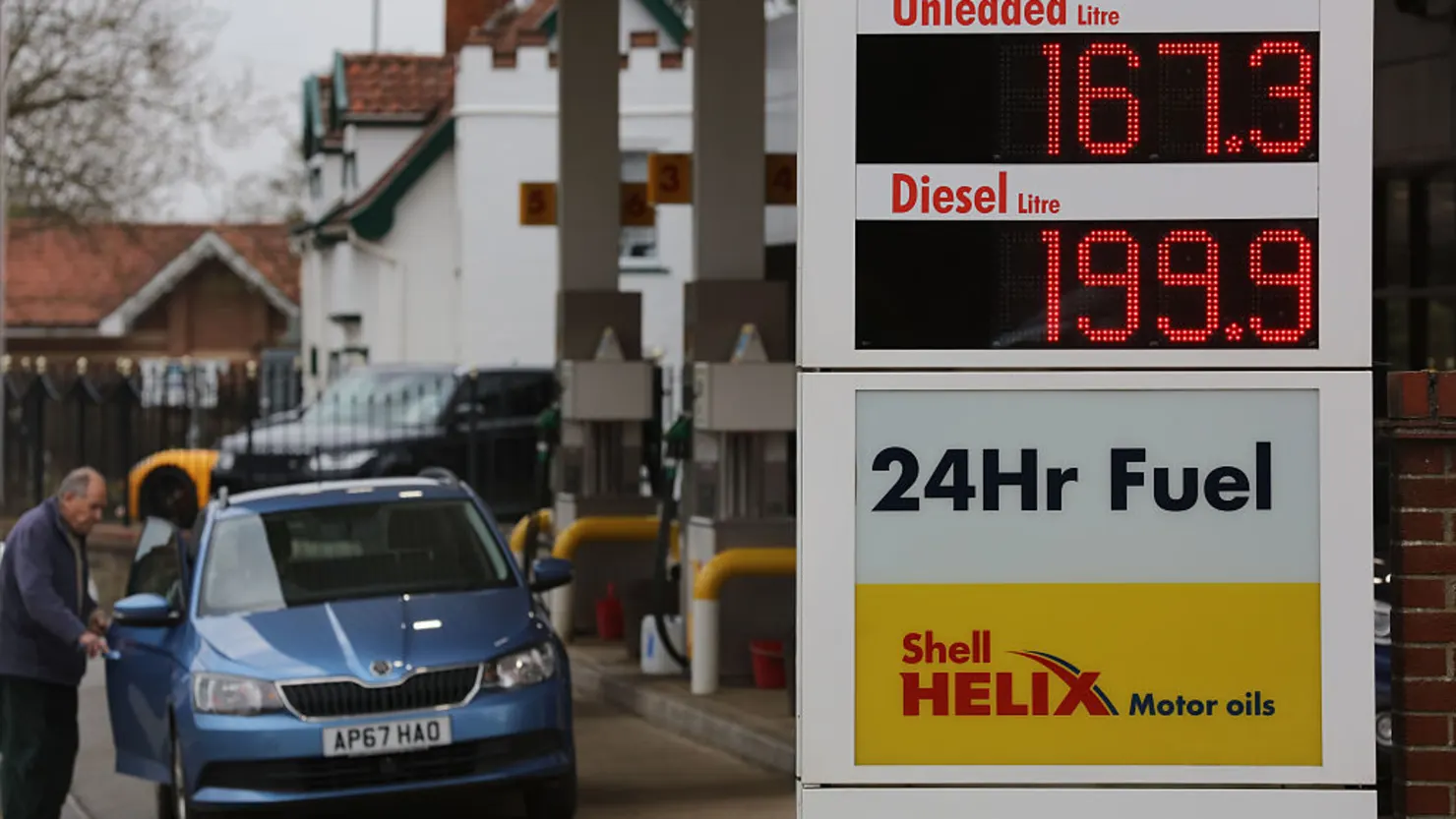
The energy shock has been swift and broad-based. Diesel prices in parts of England are nearing £2 per litre, while LNG costs have jumped roughly 50% since tensions escalated. According to ONS chief economist Grant Fitzner, fuel prices recorded their biggest increase in more than three years, with airfares and food also contributing to the upward pressure. The only meaningful relief came from softer clothing price growth, underscoring how limited the buffers are against energy-driven inflation.
For the U.K.—a net energy importer—the vulnerability is structural. As global benchmarks like Brent crude react to supply risks in the Strait of Hormuz, domestic inflation becomes increasingly exposed to external shocks. Sanjay Raja of Deutsche Bank warns that pump and heating costs are likely to rise further, suggesting the inflation peak may still lie ahead.
This creates a policy dilemma for the Bank of England. Just weeks ago, markets expected rate cuts as inflation cooled toward the 2% target. Now, the central bank faces a far more complex scenario: raise rates and risk choking an already fragile economy, or hold steady and tolerate inflation overshooting. Most economists expect policymakers to “look through” the spike, wary of triggering stagflation—a toxic mix of weak growth, rising unemployment, and persistent inflation.
The geopolitical backdrop remains highly uncertain. Donald Trump has extended a fragile ceasefire with Iran, but peace talks are stalled, and energy markets remain on edge. Economists such as Suren Thiru caution that inflation could exceed 4% by autumn if energy and food prices continue climbing, even as economic demand softens.
What’s unfolding in the U.K. is a preview of a broader global trend: inflation is no longer just a monetary phenomenon—it’s increasingly a geopolitical one. For investors, this shifts the playbook. Energy exposure, inflation hedges, and central bank credibility are back at the center of market strategy. The bigger question now is whether this is a temporary spike—or the beginning of a new era where wars, not wages, dictate the cost of living.
