
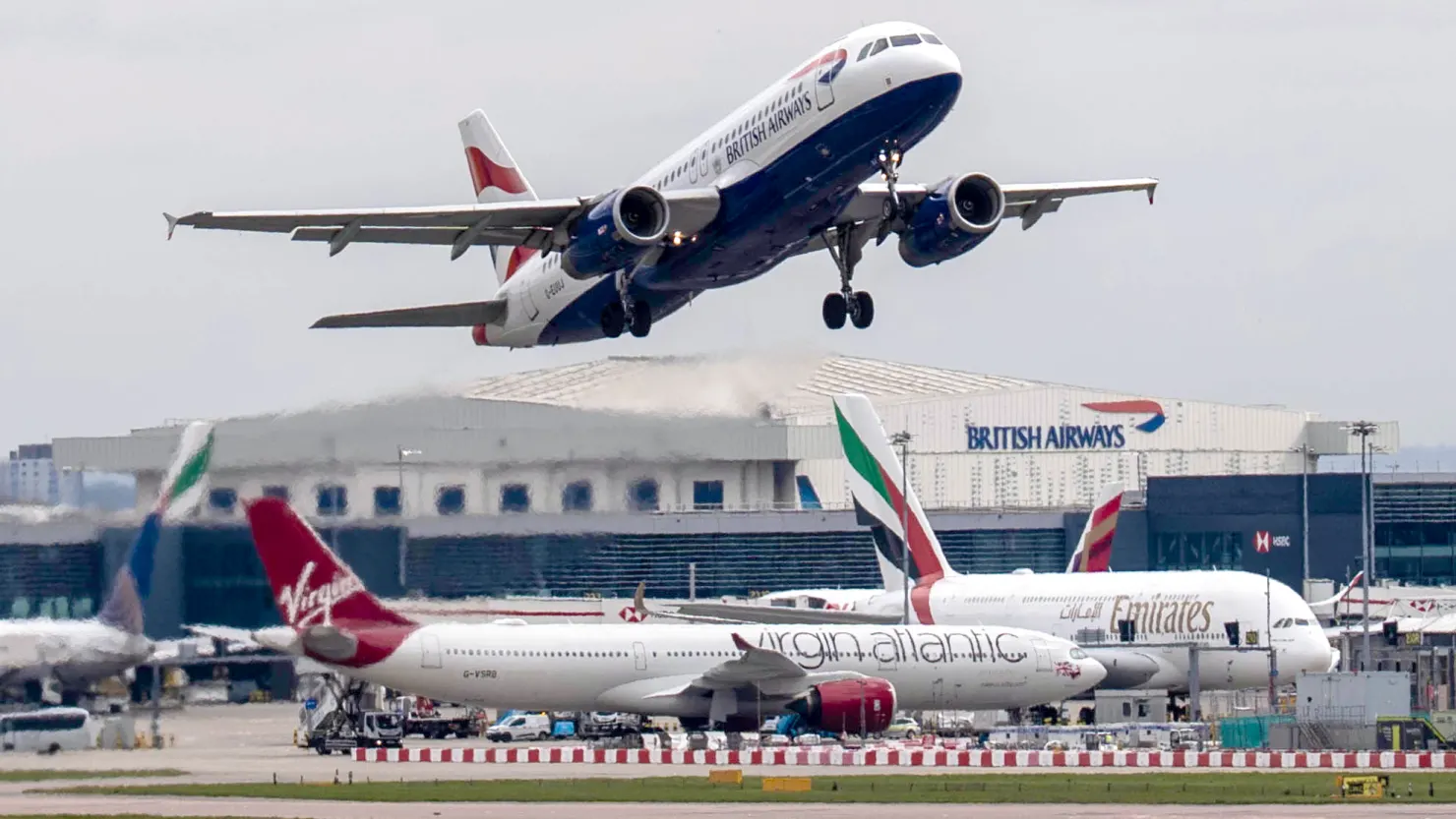
Airlines brace for flight cuts and soaring costs as Middle East tensions disrupt global fuel supply
MARKET INSIDER – Europe’s aviation sector is heading toward a potential shock that could ripple across global travel and energy markets. A looming jet fuel shortage—triggered by escalating tensions in the Strait of Hormuz—threatens to ground flights, inflate ticket prices, and disrupt one of the world’s most critical economic arteries just weeks before peak summer demand.
At the center of the crisis is the strategic choke point of the Strait of Hormuz, through which a significant portion of the world’s oil supply flows. With Iran closing the passage amid conflict with the U.S. and Israel—and Washington imposing a naval blockade—global energy flows have stalled, sending crude prices surging toward $100 per barrel and jet fuel costs skyrocketing.
Analysts warn the consequences for Europe could be severe and immediate. According to Rystad Energy, the situation could become “systemic” within weeks if supply disruptions persist, potentially forcing airlines to slash hundreds of flights as early as May and June. Economists at ING Group echo the concern, noting that halted Middle Eastern shipments are already tightening global supply chains, with replacement sources proving insufficient.
The timing could not be worse. Europe’s summer travel season—responsible for nearly €851 billion in annual GDP and supporting 14 million jobs, according to Airports Council International Europe—is now at risk. The disruption is not isolated: earlier supply constraints in Asia, particularly in countries like Vietnam and Thailand, are now spilling into European markets, underscoring the deeply interconnected nature of global fuel logistics.
Airlines are already moving into defensive mode. Carriers including Scandinavian Airlines have begun cancelling flights, while Ryanair and Wizz Air are warning of capacity cuts and profit hits if fuel shortages persist. Ticket prices are rising across the board, with surcharges returning as airlines struggle to offset fuel costs that have more than doubled in some markets. Even long-haul operators like Virgin Atlantic admit profitability is under threat despite aggressive pricing adjustments.
The deeper concern for investors and policymakers is duration. What markets initially priced as a short-lived disruption is increasingly resembling a prolonged geopolitical standoff. Historical parallels—such as the Russia-Ukraine conflict—suggest that once energy disruptions extend beyond the early weeks, they tend to entrench, reshaping supply chains and pricing structures for months or even years.
For global markets, the implications go far beyond aviation. A sustained jet fuel crunch signals tighter energy markets, persistent inflationary pressure, and renewed volatility across commodities, equities, and travel-linked sectors. The critical question now is not whether flights will be cut—but how deeply this crisis will reshape the economics of global mobility in 2026.
