
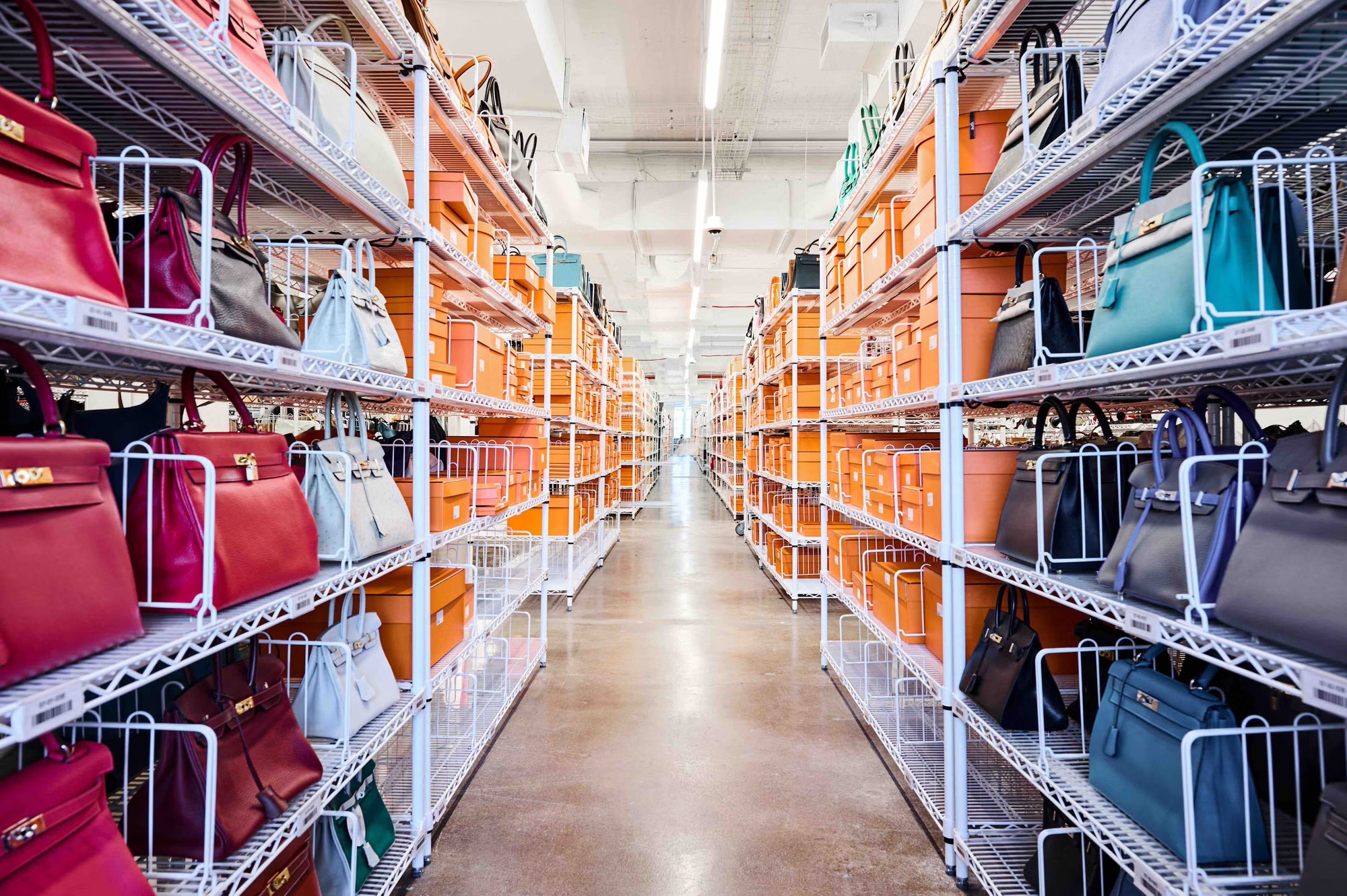
MARKET INSIDER- The global luxury market is undergoing a structural shift, with resale emerging as one of its fastest-growing and most resilient segments. Once viewed as a niche or budget-conscious alternative, secondhand luxury has become a mainstream purchasing channel — and increasingly, a strategic financial decision for consumers.
According to joint research by The Business of Fashion and McKinsey & Company, the secondhand fashion market is expanding at up to three times the pace of the primary luxury market. Nearly 60% of global shoppers say they are likely to buy resale items in 2026, underscoring how deeply embedded the trend has become. Long-term projections are even more striking: Boston Consulting Group estimates the global resale market could reach $360 billion by 2030.
This growth has translated directly into strong performance for established resale platforms. Luxury-focused retailers such as Fashionphile and The RealReal reported double-digit revenue gains in 2025, reflecting both rising consumer demand and increased confidence in authentication standards. Online marketplaces now dominate the sector, accounting for nearly nine-tenths of resale spending, a shift that has dramatically lowered barriers to entry for both buyers and sellers.
Several structural forces are driving this boom. Luxury prices have climbed sharply since the pandemic, as brands leveraged strong demand, inflation, and tariff pressures to push through repeated price increases. Against that backdrop, resale offers consumers access to iconic brands at relatively lower price points, while preserving perceived quality and status. At the same time, improved authentication processes and tighter operational controls have reduced fraud concerns, making high-ticket secondhand purchases feel safer and more institutionalized.
What truly distinguishes today’s resale market, however, is the mindset of the consumer. Luxury buyers are no longer shopping purely for aesthetics or brand signaling; they are increasingly thinking like investors. A 2025 survey by ThredUp found that nearly half of consumers consider resale value before purchasing clothing, with that figure rising to almost two-thirds among shoppers aged 18 to 44. In this context, items such as Hermès Birkin bags and Rolex watches are often viewed less as discretionary splurges and more as stores of value that can be monetized later.
Industry insiders describe luxury wardrobes as latent balance sheets. High-demand items retain liquidity, allowing owners to reallocate capital when tastes change or opportunities arise. Yet experts caution that resale should not be mistaken for guaranteed profit. As with equities or collectibles, performance varies by model, condition, and market timing. Buyers are advised to prioritize pieces they genuinely value, treating any future resale upside as a bonus rather than the sole objective.
The rise of luxury resale signals a broader evolution in consumer behavior, where consumption, sustainability, and capital efficiency intersect. As shoppers grow more financially sophisticated and digitally connected, the line between spending and investing continues to blur. In that environment, resale is no longer a secondary channel — it is becoming a core pillar of the modern luxury ecosystem.
