
Deal with ROX Energy Global and RECA could reshape Central Asia’s clean-energy map
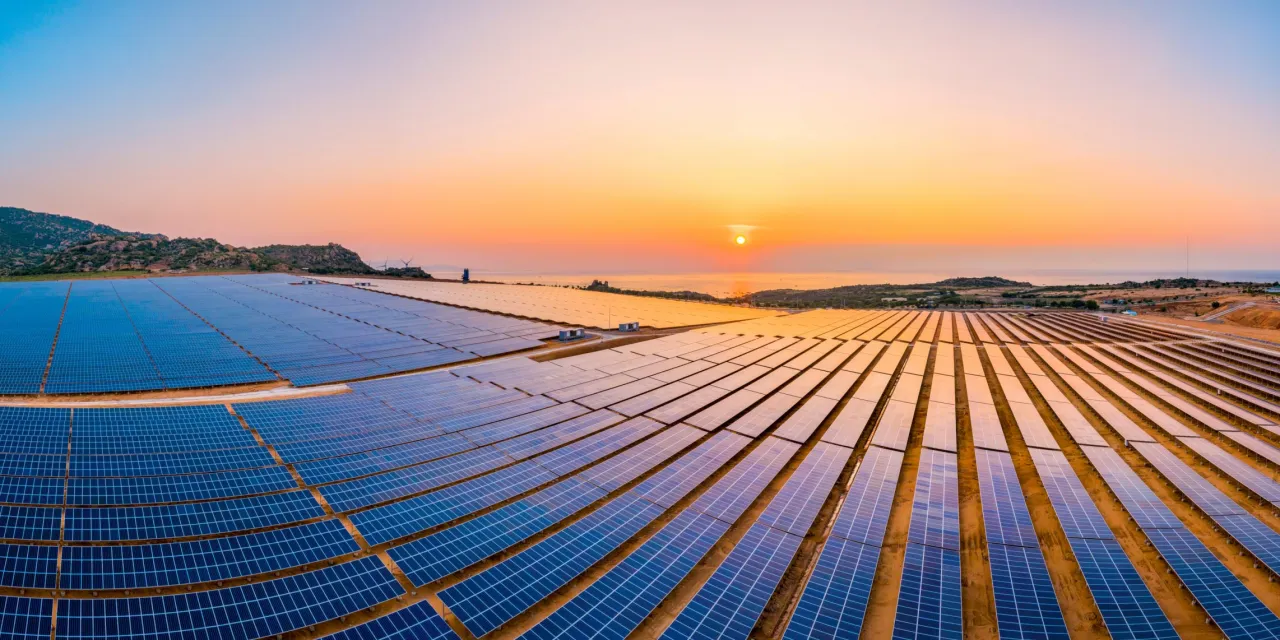
MARKET INSIDER – Kyrgyzstan, a hydropower-dependent nation with virtually no solar capacity today, is making a decisive leap into renewables. The government has signed landmark investment agreements with Vietnamese firms ROX Energy Global and RECA LLC to develop a 1.9-gigawatt solar power plant—one of the largest ever announced in Central Asia.
Planned for Kyzyl-Uruk village in the Issyk-Kul region, the project is scheduled for completion in 2027 and will be financed entirely through foreign investment. Once operational, it will instantly position Kyrgyzstan as a new solar heavyweight in a region still dominated by fossil fuels and hydroelectric power—signaling a strategic shift with implications far beyond its borders.
The agreements were formalized following negotiations between the Ministry of Energy, ROX Energy Global, and RECA LLC, covering critical issues such as land allocation, grid connectivity, and state support mechanisms. Energy Minister Taalaibek Ibrayev recently visited the Issyk-Kul site to review early-stage construction, underscoring the project’s national importance.
On the ground, work is already underway. Equipment has been delivered, modular housing and offices installed, electricity connections initiated, and access roads constructed. Site leveling is set to begin next, paving the way for large-scale solar panel installation—an unusually fast start for a market that until now had no commercial solar footprint.
That context makes the deal striking. According to International Renewable Energy Agency, Kyrgyzstan ended last year with zero megawatts of installed solar capacity. The 1.9GW project therefore represents not just incremental growth, but a structural reset—one that could diversify the country’s energy mix, reduce hydropower seasonality risks, and attract further foreign capital into Central Asia’s underdeveloped clean-energy markets.
The bigger story is geopolitical as much as environmental. Vietnam’s growing role as an outbound clean-energy investor, combined with Kyrgyzstan’s openness to foreign-funded infrastructure, reflects a quiet re-routing of global capital flows—away from saturated markets and toward frontier economies hungry for scale. If executed on time, this solar megaproject may become a blueprint for how emerging markets leapfrog into the energy transition—without waiting decades to build capacity step by step.
