
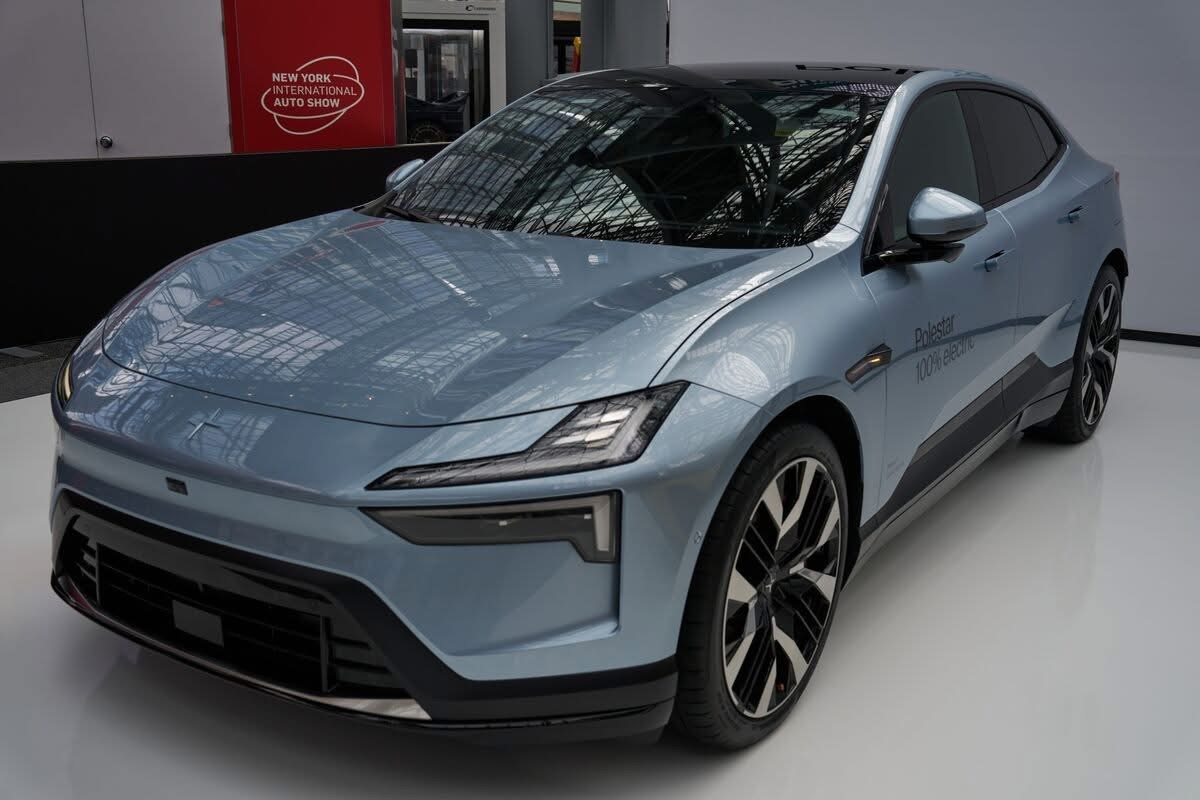
As rivals revive gas-powered vehicles, Polestar is accelerating its climate strategy and doubling down on carbon cuts.
MARKET INSIDER – While parts of the global auto industry are retreating from aggressive electric vehicle targets amid slowing demand and political backlash, Polestar is taking the opposite path: pushing harder toward a fully net-zero car by 2035. The move highlights a growing divide inside the automotive sector between companies treating sustainability as a temporary marketing strategy and those positioning it as a long-term competitive advantage.
The timing is striking. Automakers across the US and Europe have recently delayed EV rollouts, revived hybrid and gasoline production plans, and scaled back climate commitments as consumers wrestle with high interest rates, inflation, and charging infrastructure concerns. Yet Polestar, the premium EV brand spun out of Volvo Cars, says the future of the industry will still be shaped by emissions rules, supply-chain transparency, and investor pressure — regardless of short-term political shifts.
The Gothenburg-based company revealed in its latest sustainability report that it reduced carbon emissions per vehicle by 7.3% in 2025, helped largely by the launch of the Polestar 4 SUV, which it describes as its cleanest vehicle yet. The company continues to target production of a truly climate-neutral car within the next decade, an ambition few global automakers are publicly pursuing with the same level of specificity.
That ambition comes as regulators worldwide continue tightening disclosure requirements even as climate rhetoric softens in some markets. In Europe, new ESG reporting standards and carbon-accounting frameworks are forcing companies to quantify emissions across manufacturing, logistics, and supply chains. For automakers, this means investors are increasingly evaluating not only how many EVs a company sells, but also how those vehicles are produced, powered, and recycled.
Polestar’s strategy also reflects a broader battle unfolding across the global automotive market. Chinese EV giants continue expanding aggressively, Tesla remains under pressure to maintain growth and margins, and legacy manufacturers are struggling to balance profitability with costly electrification programs. In that environment, brands that can prove lower lifecycle emissions may gain an edge with institutional investors, sovereign wealth funds, and environmentally focused consumers.
The bigger question is whether Polestar’s long-term climate gamble will ultimately look visionary or premature. But as governments tighten carbon reporting rules and global capital increasingly rewards transparent sustainability metrics, the companies walking away from net-zero ambitions today may eventually find themselves racing to catch up tomorrow.
