
Key Gulf oil hub restarts loading as Iran threats raise fears of global supply disruption
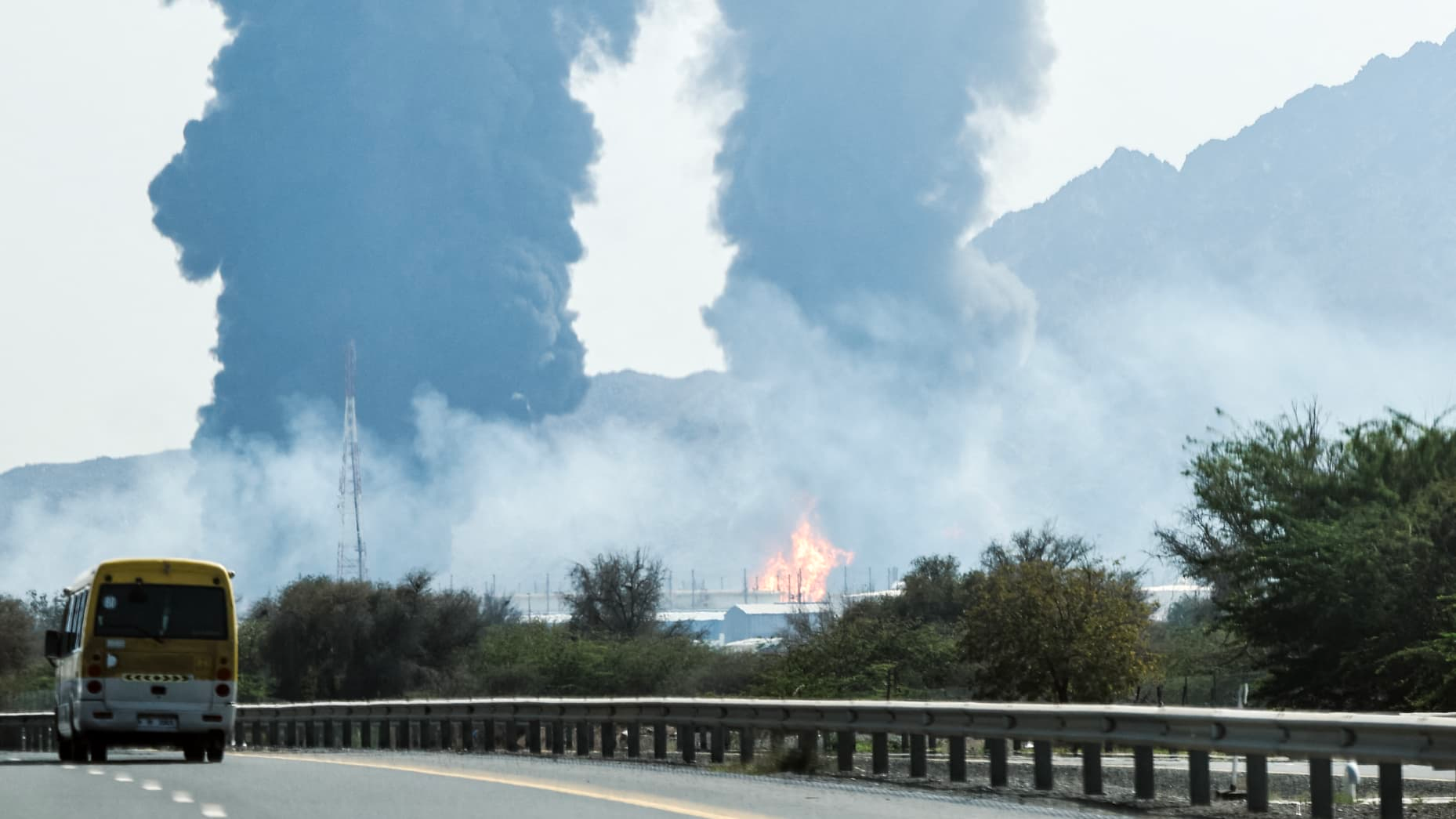
MARKET INSIDER – Global oil markets were jolted this weekend after operations briefly halted at the strategic port of Port of Fujairah, one of the world’s most critical fuel storage and shipping centers. Loading activities have now resumed following a drone strike and fire that temporarily disrupted operations, according to multiple media reports citing industry sources.
The incident occurred as geopolitical tensions between the United States and Iran intensify, raising fears of broader instability across the Gulf’s energy infrastructure. The port of Fujairah, located outside the Strait of Hormuz, plays a crucial role in global energy logistics by allowing tankers to load fuel without passing through the narrow and geopolitically sensitive strait.
Operations were reportedly suspended on Saturday after a fire broke out following the drone strike. By Sunday, however, industry sources told Reuters and Bloomberg that oil loading had resumed. A spokesperson for Abu Dhabi National Oil Company, which operates facilities in Fujairah, referred inquiries to the Fujairah Media Office, which had not issued an immediate public response.
The disruption came amid escalating rhetoric from Tehran. Iranian authorities warned that several major UAE ports—including Jebel Ali Port, Khalifa Port, and Fujairah—could become “legitimate targets,” alleging that U.S. forces had used the facilities to launch attacks against Iran. The claims were reported by Mizan News Agency, though no evidence was publicly provided.
Tensions surged further after Donald Trump said he had directed United States Central Command to carry out a bombing raid targeting military infrastructure on Kharg Island. The facility is widely considered the backbone of Iran’s energy exports, handling roughly 90% of the country’s crude shipments with a loading capacity estimated at 7 million barrels per day.
Energy analysts warn that any sustained escalation around Kharg Island or major Gulf ports could have immediate consequences for global energy markets. Brent crude has already surged more than 40% since the conflict intensified, closing above $100 per barrel for consecutive days as traders price in potential supply disruptions.
For global markets, the episode highlights how quickly regional conflicts can ripple across energy supply chains. Even brief disruptions at hubs like Fujairah—one of the world’s largest bunkering centers—can trigger volatility in oil prices, shipping routes, and inflation expectations. In a world where energy flows underpin economic stability, the Gulf’s infrastructure has once again become the front line of geopolitical risk.
