
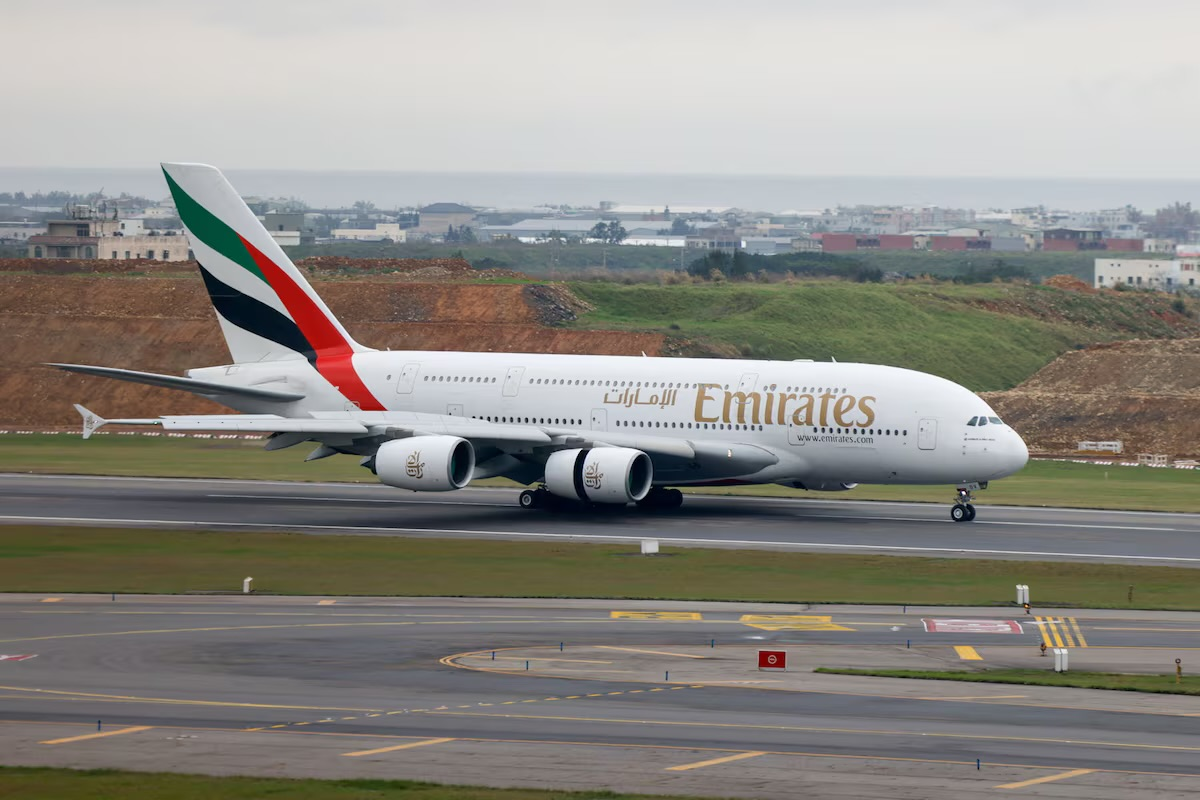
Emirates Limits Operations as Iran War Spills into UAE Airspace, Threatening Global Travel Chains
MARKET INSIDER – A suspected Iranian drone attack struck near Dubai International Airport (DXB) early Monday, March 16, 2026, sparking a fire at a fuel tank and forcing a temporary suspension of all flights at one of the planet’s busiest aviation gateways. The incident—marking the third such disruption at DXB since the U.S.-Israel war with Iran erupted in late February—underscores how rapidly the conflict is expanding beyond energy routes into critical civilian infrastructure, with immediate knock-on effects for international business travel, tourism, and supply chains connecting Europe, Asia, Africa, and beyond.
Dubai’s Civil Aviation Authority and emergency services quickly contained the blaze with no reported injuries, allowing partial resumption of operations by mid-morning. Emirates, the airport’s flagship carrier and a linchpin of long-haul global connectivity, announced it would run a limited schedule starting around 10 a.m. local time, with many flights diverted to Al Maktoum International (DWC) or rerouted entirely. Scores of inbound and outbound services—potentially dozens—were affected, stranding passengers and cargo at a hub that normally handles over 90 million passengers annually and serves as a vital transfer point for millions more.
The strike fits a pattern of escalating Iranian retaliatory actions across the Gulf, including repeated drone and missile barrages on UAE targets since the conflict’s onset. Authorities report over 1,800 such attacks on the UAE alone, far outpacing those on other neighbors, as Tehran seeks to impose costs on perceived allies of the U.S. and Israel. This latest hit on aviation infrastructure echoes broader regional disruptions—from oil tanker threats in the Strait of Hormuz to strikes on energy facilities—amplifying fears that the war could cascade into prolonged volatility for global logistics, higher insurance premiums for airlines, and rerouting costs that ultimately feed into consumer fares and corporate expenses worldwide.
For now, operations at DXB remain dynamic and partial, with airlines urging travelers to check updates directly and prepare for further adjustments. Dubai Airports emphasized that while some flights to select destinations have restarted, the environment stays fluid amid ongoing regional airspace risks.
As the conflict enters its third week, this airport strike serves as a stark reminder: in today’s interconnected world, a single drone can ground thousands and ripple through economies far beyond the Middle East. Investors watching travel stocks, logistics firms, and even broader inflation trends should brace for more volatility—yet if de-escalation talks gain traction, restored stability at hubs like Dubai could swiftly unlock pent-up demand and a sharp rebound in global mobility. The real test: whether Gulf security can keep pace with the speed of modern threats before the next disruption hits.
