
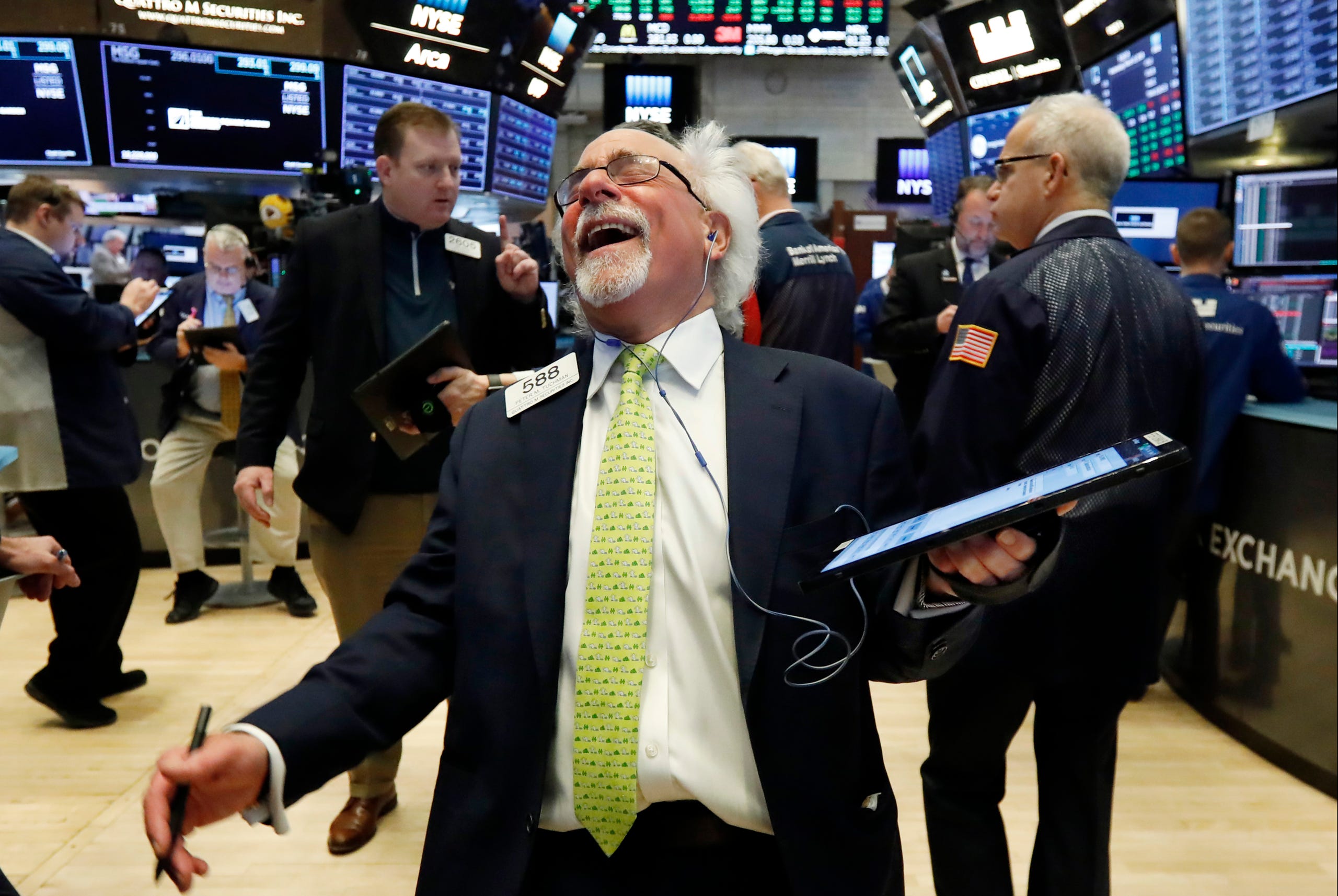
Dow surges 440 points while oil briefly tops $100 again amid Iran war developments
MARKET INSIDER – Wall Street extended its rebound Tuesday, March 17, 2026, with the S&P 500 rising 0.7%, the Nasdaq Composite gaining 0.6%, and the Dow Jones Industrial Average adding 440 points, or 0.9%, as investors weighed mixed signals from the escalating U.S.-Israel conflict with Iran against underlying economic resilience. The move builds on Monday’s sharp recovery, reflecting cautious optimism that diplomatic and military efforts could soon restore reliable oil flows through the critical Strait of Hormuz—the world’s most vital energy artery supplying roughly 20% of global oil in normal times.
Oil prices reversed course and climbed more than 1% in early trading, pushing Brent crude back above the $100-per-barrel mark. The bounce followed President Donald Trump’s comments urging hesitant allies to join a U.S.-led coalition for escorting tankers through the Strait. Trump noted some nations are “less than enthusiastic” despite decades of U.S. protection costing tens of billions of dollars, while others have already begun contributing. “We have some that are really enthusiastic. They’re coming already,” he said, promising to release a list of participants. Hopes for a functional escort system helped temper fears of a prolonged supply shock that has already driven oil prices up over 40% since the conflict began in late February.
Geopolitical tensions escalated further overnight with the reported killing of Iran’s security chief, Ali Larijani, in Israeli airstrikes, according to Israeli Defense Minister Israel Katz—a development likely to prolong uncertainty even as markets price in the possibility of eventual de-escalation or a deal.
Despite the volatility, many analysts continue to credit the U.S. economy’s relative strength, contained inflation, and solid corporate earnings for the market’s underlying momentum. However, Bartlett Wealth Management president Holly Mazzocca warned on CNBC that risks to the growth narrative are clearly rising. “We came into this year with a pretty strong foundation, but especially the labor market has weakened pretty significantly,” she said. “So that’s the big question for investors right now—is just being realistic that the overall risks to that continued growth story are higher today than they were just a few weeks ago.”
For global investors, Tuesday’s session reinforces a familiar pattern in this conflict: markets swing sharply on every Hormuz headline, yet the broader indices remain remarkably resilient—just 4-5% off recent highs. The real test lies ahead—if Trump’s coalition materializes quickly and shipping resumes, oil could retreat sharply and equities extend gains. If not, the mounting labor-market softness and energy-cost pressures could finally weigh more heavily on the 2026 outlook. The coming days will reveal whether this rebound is sustainable relief or merely another pause in the storm.
