
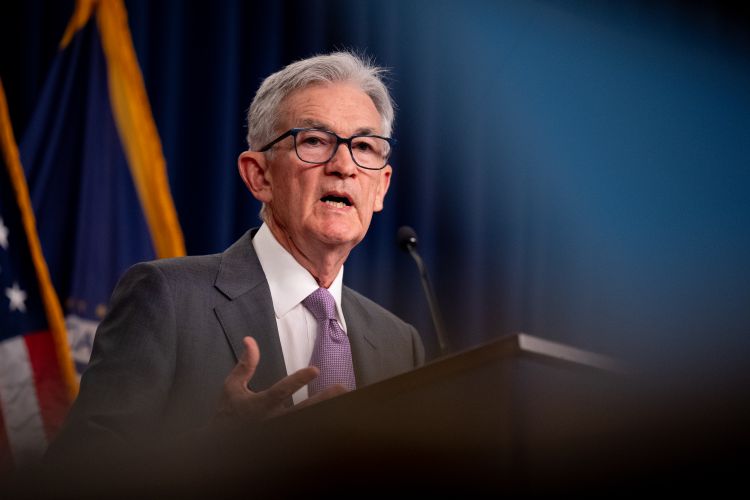
Powell signals caution as oil-driven price pressures complicate rate-cut outlook for 2026 and beyond.
MARKET INSIDER – The U.S. Federal Reserve is standing still—but the risks around it are moving fast. Policymakers voted to keep interest rates unchanged as inflation remains stubborn and geopolitical tensions in the Middle East inject new uncertainty into the global economic outlook. The decision underscores a growing dilemma for central banks worldwide: how to balance slowing growth with resurging price pressures fueled by energy shocks.
The Federal Reserve’s rate-setting Federal Open Market Committee voted 11–1 to maintain the benchmark rate in the 3.5%–3.75% range, a move widely anticipated by markets. But the tone of the decision—and subsequent remarks from Jerome Powell—highlighted rising concern that inflation may remain elevated longer than expected.
At the center of that concern is the escalating conflict involving Iran, which has disrupted energy markets and pushed oil prices higher. In its official statement, the Fed acknowledged that the economic implications of the war are “uncertain,” while Powell noted that recent increases in inflation expectations are likely tied to the surge in energy prices following supply disruptions in the region.
Despite the uncertainty, the Fed still signaled a path toward gradual easing—though more cautiously than before. Updated projections suggest just one rate cut in 2026 and another in 2027, with a growing number of policymakers now expecting rates to remain unchanged this year. Markets have adjusted accordingly, scaling back expectations for aggressive monetary easing.
The shift reflects a broader macroeconomic tension. While growth remains relatively resilient—with U.S. GDP projected to expand around 2.4% this year—inflation forecasts have been revised higher. The Fed now expects its preferred inflation gauge, the personal consumption expenditures index, to run at about 2.7%, above its 2% target, before gradually easing in the coming years.
Financial markets reacted cautiously, with stocks drifting lower as investors absorbed the Fed’s more hawkish undertone. The prospect of “higher for longer” interest rates—combined with elevated oil prices—has revived fears of stagflation, a scenario in which inflation persists even as economic momentum weakens.
The policy outlook is further complicated by political pressure. Donald Trump has repeatedly urged the Fed to cut rates, intensifying scrutiny on Powell as his term approaches its scheduled end. At the same time, legal and political disputes surrounding the central bank add another layer of uncertainty to the leadership transition.
For global investors, the Fed’s message is clear: the path forward is no longer just about inflation or growth—it is increasingly shaped by geopolitics. As oil markets react to conflict and supply disruptions, central banks may find themselves constrained, unable to ease policy even as economic risks build. In that environment, the real question is no longer when rates will fall—but how long the world can operate under the weight of elevated borrowing costs.
