
Stoxx 600 sinks amid gold/silver sell-off and inflation fears; Equinor surges 8% on earnings and Arctic find
MARKET INSIDER – European equities suffered their sharpest single-day drop in months on Thursday, March 19, 2026, as the U.S.-Israel war with Iran escalated dramatically with strikes on major energy infrastructure, sending shockwaves through global commodity markets and reigniting inflation concerns across the continent. The pan-European Stoxx 600 index tumbled 2.7% by mid-afternoon London time, with every major bourse in the red and nearly all sectors lower—except oil and gas—highlighting how quickly the conflict is translating into higher input costs, margin pressure, and risk aversion for investors from London to Frankfurt.
Miners bore the brunt of the sell-off, with the Stoxx Europe Basic Resources sector plunging 4.5%. Precious metals took a hit as spot gold fell 2.8% and silver dropped 5.3%, dragging FTSE 100 heavyweights Antofagasta and Fresnillo down more than 8% each. Heightened energy prices—driven by overnight oil price jumps following Israeli strikes on Iran’s South Pars gas field and Iran’s retaliatory missile attacks on Qatar’s Ras Laffan LNG terminal—are squeezing producers’ margins at a time when global growth fears are already mounting.
President Donald Trump’s stark warning Wednesday—that continued Iranian targeting of Qatari facilities would prompt the U.S. to “massively blow up the entirety of the South Pars Gas Field”—further fueled overnight oil gains and added to the geopolitical premium rippling through European markets. While oil and gas stocks held firmer, the broader sell-off engulfed banks, travel, and consumer sectors, underscoring the conflict’s potential to disrupt supply chains and corporate profitability far beyond the Middle East.
In a mixed central-bank session overshadowed by the war, the European Central Bank, Bank of England (holding at 3.75% unanimously), Sweden’s Riksbank (1.75%), and Swiss National Bank (0.0%) all left rates unchanged. Bond yields spiked in response: UK 10-year gilts rose 13 basis points to 4.875%, while 2-year gilts surged 37 basis points to 4.478%, reflecting traders pricing in stickier inflation from energy shocks. German bund yields also climbed, signaling broader eurozone concerns.
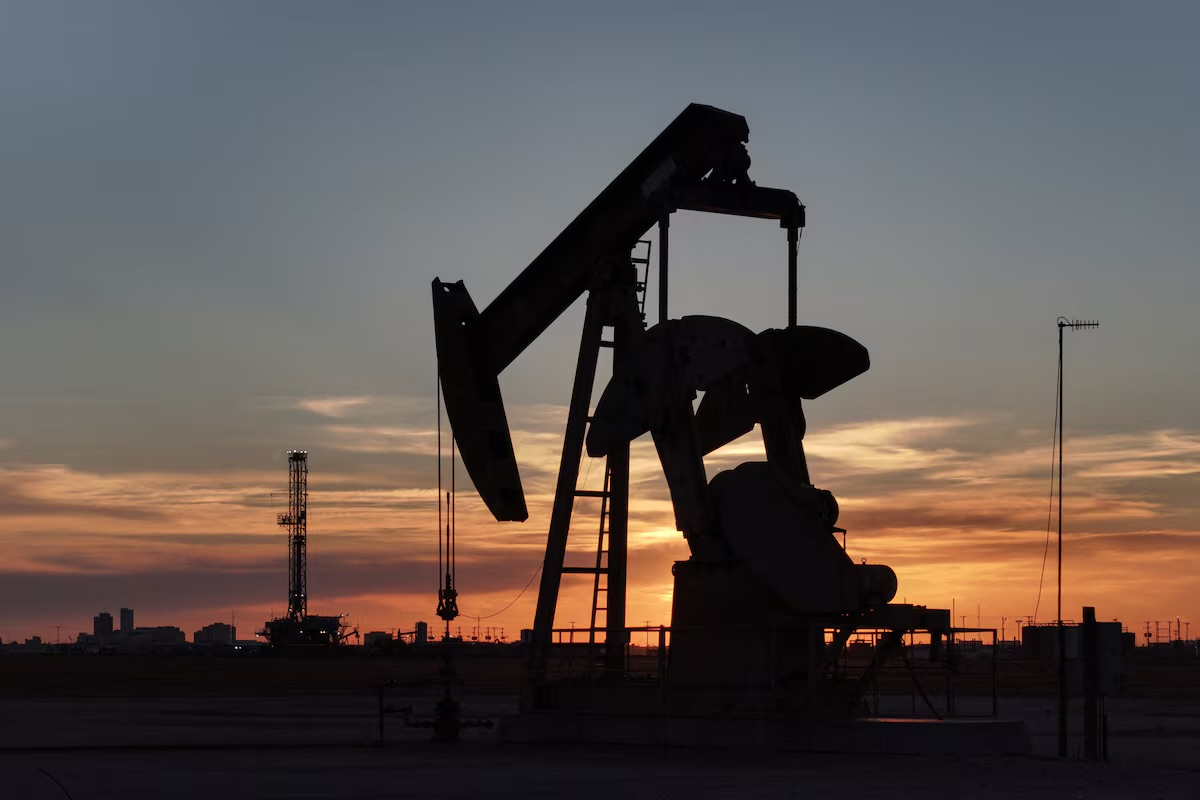
One bright spot: Norwegian energy major Equinor soared 8% after posting $27.6 billion in annual operating income, reporting production growth in liquids, gas, and renewables—plus the discovery of a significant new oil field near the Arctic Circle, estimated at 14–24 million barrels recoverable.
For global investors, Thursday’s rout serves as a stark reminder: as the Iran conflict enters its most dangerous phase yet—with energy titans like South Pars (the world’s largest gas field) and Ras Laffan now in the crosshairs—the path from regional strikes to worldwide stagflation risks is alarmingly short. Europe’s heavy reliance on imported energy makes it especially vulnerable, potentially forcing policymakers into a painful choice between fighting inflation and supporting growth. If escalation continues, expect more volatility in commodities, yields, and equities; but any breakthrough toward de-escalation or stabilized shipping could trigger a swift relief rally. The coming weeks will test whether markets can still price in an “upper hand” for the West—or if persistent energy chaos finally breaks the post-pandemic resilience narrative.
