
Ride-hailing giant bets big on autonomous EV fleet amid robotaxi resurgence, boosting Rivian shares
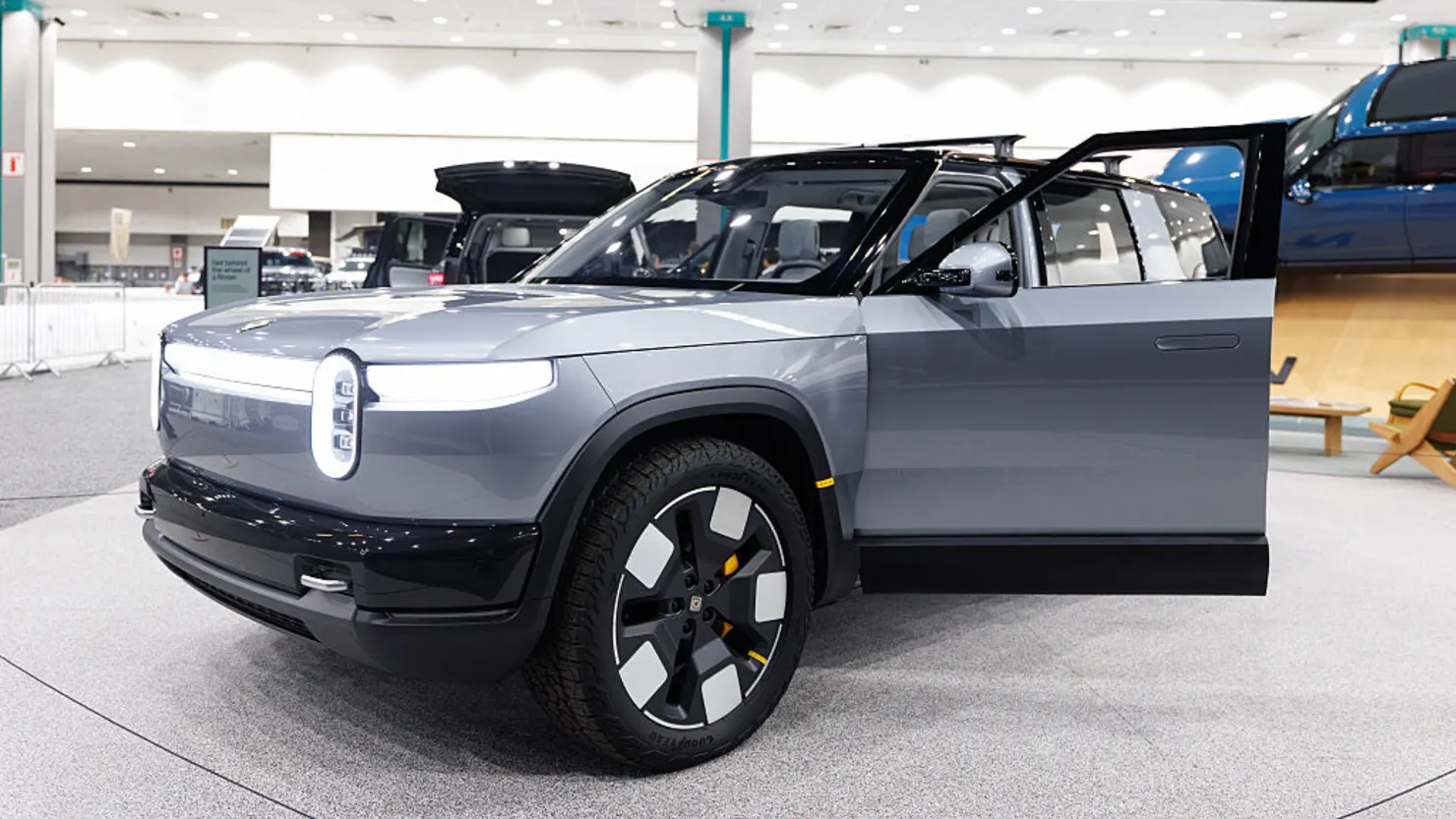
MARKET INSIDER – Uber Technologies is deepening its push into autonomous mobility with a landmark deal to invest up to $1.25 billion in electric-vehicle maker Rivian Automotive, the companies announced Thursday, March 20, 2026. The partnership centers on deploying up to 50,000 robotaxis—built on Rivian’s upcoming compact R2 platform—exclusively through Uber’s ride-hailing and delivery network across 25 cities in the U.S., Canada, and Europe by 2031, signaling renewed investor confidence in the long-promised multitrillion-dollar robotaxi market despite past delays and setbacks.
Under the agreement, Uber or its fleet partners will purchase 10,000 autonomous versions of the R2 starting in 2028, with options for an additional 40,000 units from 2030 onward. The first deployments are targeted for San Francisco and Miami. An initial $300 million tranche—equating to roughly 19.55 million Rivian shares—will flow soon, pending regulatory clearance, followed by four more milestone-based investments through 2031. Uber will also pay licensing fees for Rivian’s in-house autonomous driving software stack.
Rivian shares jumped nearly 4% in morning trading on the news, while Uber dipped less than 1%. The tie-up builds on Rivian’s recent momentum, including a $5.8 billion software and tech partnership with Volkswagen announced late last year, and comes as CEO RJ Scaringe has aggressively positioned the company for autonomy—highlighted by its December 2025 “Autonomy and AI Day.” Scaringe emphasized Rivian’s integrated approach: designing vehicle, compute platform, and software together while controlling U.S.-based manufacturing and supply chains. “The scale of Rivian’s growing data flywheel coupled with RAP1, our state-of-the-art in-house inference platform, and our multi-modal perception platform make us incredibly excited for the rapid advancement of Rivian autonomy,” he said.
Uber CEO Dara Khosrowshahi echoed the conviction: “We’re big believers in Rivian’s approach… That vertical integration, combined with data from their growing consumer vehicle base and experience managing the complexities of commercial fleets, gives us conviction to set these ambitious but achievable targets.” The deal follows Uber’s recent collaborations with Lucid, Amazon’s Zoox, Stellantis, and Nvidia, underscoring a broader industry pivot toward scaled robotaxi operations—led currently by Alphabet’s Waymo in the U.S.
For global investors and mobility watchers, this alliance is a high-stakes bet on converging trends: falling costs for AI-driven autonomy, advances in semiconductor chips, and the explosive growth potential of robotaxis as a high-margin service layer atop ride-hailing. If Rivian delivers on its R2 timeline (consumer sales starting this spring) and autonomy milestones, the partnership could reshape urban transportation in key Western markets. Yet execution risks remain—past robotaxi timelines have repeatedly slipped, and regulatory, safety, and competitive hurdles loom large.
The bigger question for markets: as energy volatility from the Iran war pressures traditional mobility costs, could autonomous EV fleets become a faster path to profitability for Uber and a lifeline for EV makers like Rivian? Success here would validate the robotaxi narrative at scale; failure could reinforce skepticism. Either way, Thursday’s announcement marks one of the most concrete steps yet toward making robotaxis mainstream by the end of the decade.
