
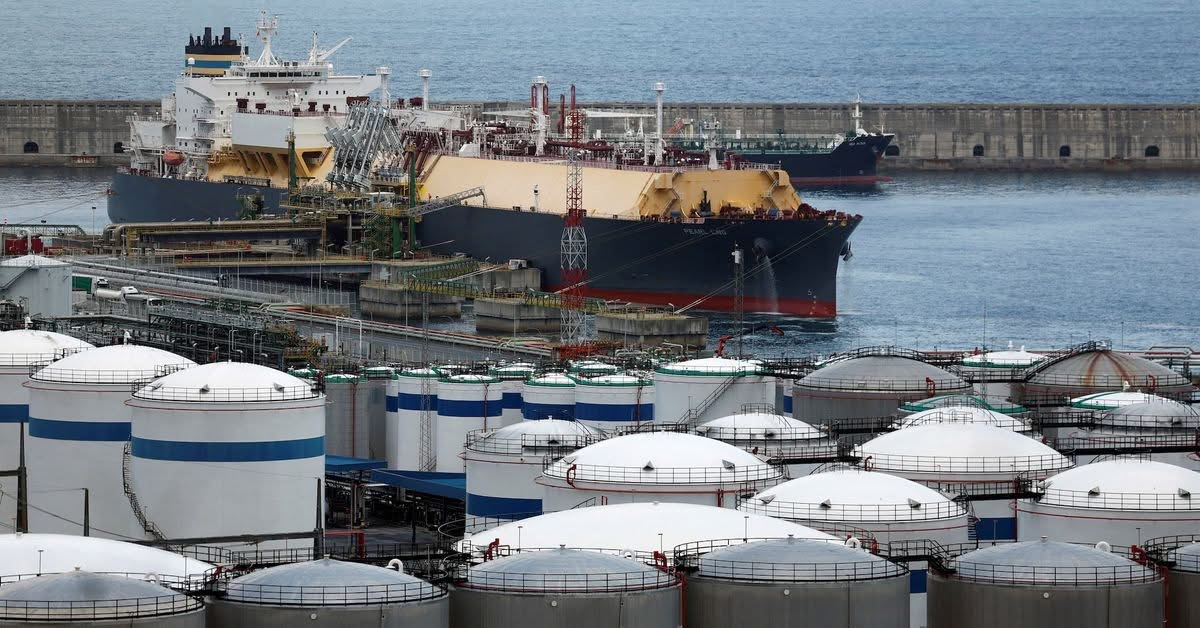
Strait of Hormuz tensions threaten global energy flows, with Brent above $110 and investors bracing for escalation
MARKET INSIDER – Oil markets are once again at the mercy of geopolitics, as U.S. President Donald Trump renewed a stark ultimatum to Iran—reopen the Strait of Hormuz or face devastating strikes on critical infrastructure. The warning has injected fresh volatility into global energy markets, pushing Brent Crude above $110 and reigniting fears of a prolonged supply shock that could ripple across inflation, trade, and monetary policy worldwide.
At stake is far more than a regional standoff. The Strait of Hormuz—through which roughly one-fifth of global oil supply flows—has become the epicenter of a high-risk geopolitical gamble. With shipping severely disrupted since late February, energy-importing economies across Asia and Europe are already facing tightening supply conditions, raising the prospect of renewed inflationary pressure just as central banks attempt to stabilize growth.
Crude prices climbed sharply on Tuesday, with Brent futures rising 0.8% to $110.64 per barrel and U.S. West Texas Intermediate gaining 1.8% to $114.44. The surge reflects mounting concern that negotiations between Washington and Tehran may not deliver a breakthrough before Trump’s deadline, despite signals that both sides are engaging in talks. Iran has reportedly rejected a U.S.-backed ceasefire proposal, countering with broader شروط including sanctions relief and long-term security guarantees—conditions unlikely to be resolved quickly.
Market sentiment remains deeply divided. Analysts such as Ed Yardeni warn that investors are effectively trading in a “fog of war,” caught between three divergent scenarios: a last-minute diplomatic compromise, a delayed deadline, or outright escalation. Each carries vastly different implications for energy markets, with the latter potentially triggering a sustained price spike reminiscent of past oil crises.
There are tentative signs of stabilization, but they remain fragile. Shipping activity through the Strait has picked up modestly, with eight tankers transiting on Monday—up from fewer than two per day in March. Yet this is still far below the pre-conflict average of 20 million barrels per day, underscoring how constrained supply remains. Analysts at S&P Global Market Intelligence and MUFG estimate that even in a best-case scenario, it could take three to six months for flows to normalize and ease pressure on energy-dependent economies.
For global investors, the implications extend beyond oil. A sustained disruption in the Strait of Hormuz could reignite inflation just as major economies—from the U.S. to Europe—are navigating fragile recoveries. That, in turn, may force central banks to delay rate cuts, tightening financial conditions and reshaping capital flows across emerging and developed markets alike.
The deeper question now is whether markets are underpricing the structural risk of geopolitical fragmentation. If energy chokepoints like Hormuz become recurring flashpoints, the era of relatively stable global supply chains may give way to a new regime of persistent volatility—where oil is no longer just a commodity, but a geopolitical weapon shaping the next cycle of global growth.
