
MacBooks and iPads Get More Expensive as Apple’s AI Costs Spill Over to Consumers
MARKET INSIDER – The artificial intelligence boom is beginning to reshape consumer technology in a way millions of people will feel directly: higher prices. Apple has announced its first broad price increases for MacBooks and iPads, citing an unprecedented surge in memory and storage costs driven by exploding demand for AI infrastructure, triggering the company’s steepest one-day stock decline in more than a year.
The move marks a significant turning point for the world’s most valuable consumer electronics company. After years of absorbing rising production costs, Apple is signaling that the economics of the AI era are making it increasingly difficult for even the industry’s strongest brands to shield customers from supply-chain inflation.
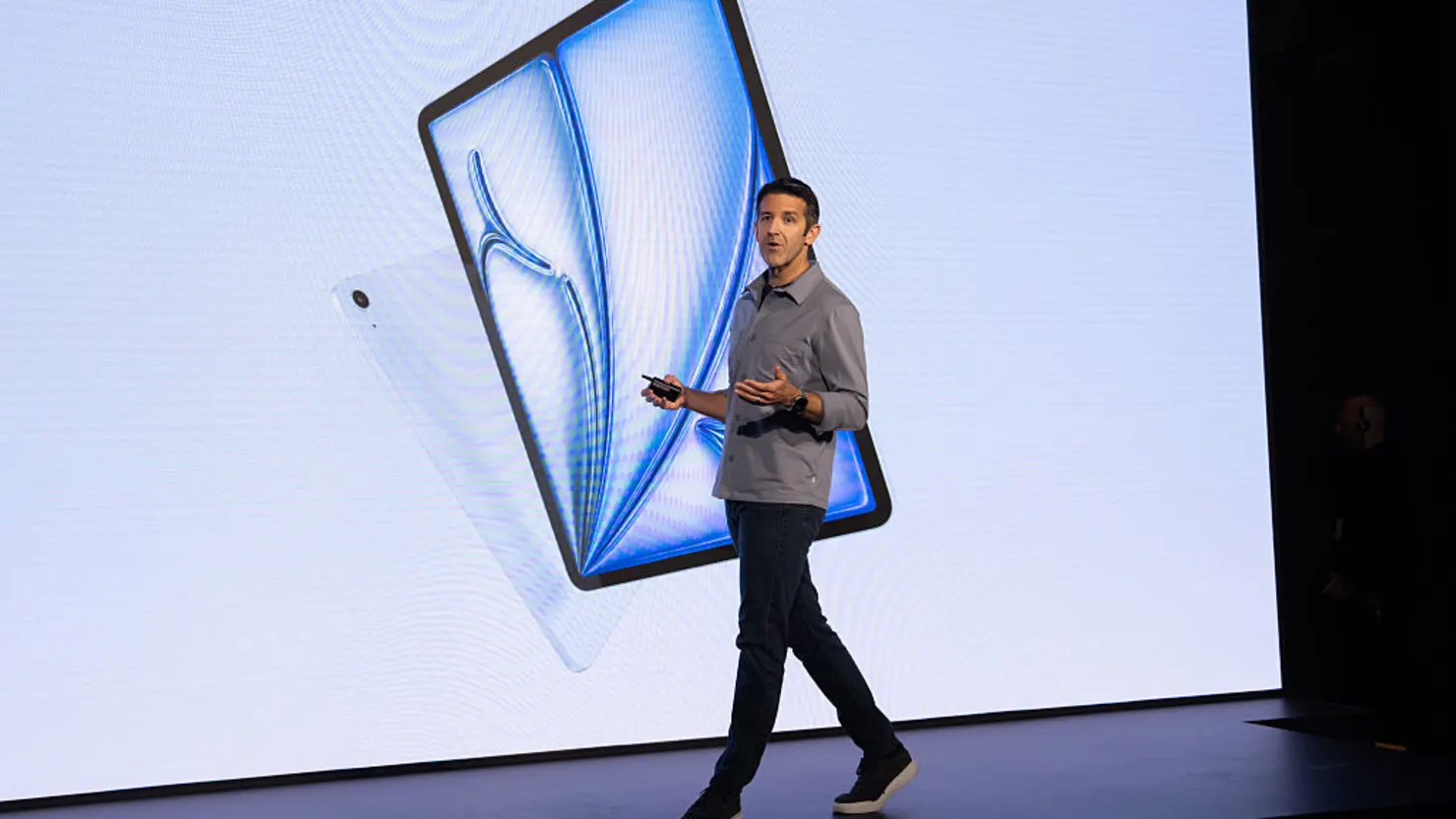
Apple’s shares tumbled more than 6% on Thursday after the company unveiled price increases across several MacBook and iPad models. Entry-level MacBooks will now start at $699 instead of $599, while higher-end MacBook Pro and iPad Pro models will see price increases of up to $300. Apple’s online store briefly went offline before reopening with the updated pricing.
The company blamed an extraordinary shortage in memory and storage components as AI data centers consume an ever-larger share of global semiconductor production. “The rapid expansion of AI data centers has created an extraordinary surge in demand for memory and storage,” Apple said, adding that further price increases remain possible if component costs continue to rise.
CEO Tim Cook recently described the situation as unlike anything he has witnessed in four decades in the technology industry. According to Counterpoint Research, memory and storage prices have quadrupled over the past three quarters as manufacturers prioritize high-bandwidth memory used in AI servers over conventional consumer chips. The supply imbalance has generated windfall profits for memory producers such as Micron, whose latest quarterly gross margin surged to nearly 85%.
Apple is also preparing for a future in which artificial intelligence requires more powerful consumer devices. Industry analysts expect all upcoming iPhone models to feature 12GB of RAM to fully support Apple Intelligence, while many iPhones sold since 2022 will be unable to access the company’s next-generation AI-powered Siri experience. The shift allows Apple to position higher prices around enhanced AI capabilities rather than simply passing rising manufacturing costs on to customers.
For investors, Apple’s pricing decision sends a broader message extending far beyond one company. The AI revolution is no longer just fueling record demand for Nvidia chips and cloud infrastructure—it is reshaping the economics of the entire consumer electronics industry. The next winners may not simply be the companies building AI, but those with enough pricing power to pass its rapidly escalating costs on to consumers without sacrificing long-term demand.
