
Markets Cheer Falling Oil Prices, but Failed Follow-Up Talks Expose Fragile Path to Lasting Stability
MARKET INSIDER – Just one day after Washington and Tehran unveiled a surprise framework aimed at ending months of conflict, the first cracks are already beginning to show. Planned follow-up negotiations in Switzerland were abruptly canceled Friday, highlighting how fragile the emerging U.S.-Iran accord remains despite the market optimism that sent stocks higher and oil prices lower.
For investors, the stakes extend far beyond the Middle East. The outcome of these negotiations will influence global energy prices, inflation trends, central bank policy decisions, and geopolitical risk premiums across financial markets. While Wall Street has welcomed the prospect of reduced tensions, diplomats and analysts warn that the hardest part of the process may only be beginning.
The setback emerged after Swiss officials confirmed that technical talks scheduled at Bürgenstock would not proceed as planned. The White House also announced that Vice President JD Vance would no longer travel to Switzerland, citing unresolved logistical challenges. While both sides insisted negotiations remain alive, the disruption underscored the complexity of transforming a temporary understanding into a durable peace framework.
The cancellation comes just days after U.S. President Donald Trump and Iranian President Masoud Pezeshkian signed a memorandum of understanding designed to pave the way for a broader settlement. Yet major issues remain unresolved, including Iran’s nuclear ambitions, regional security arrangements, and the future of conflicts involving Iranian-backed groups across the Middle East.
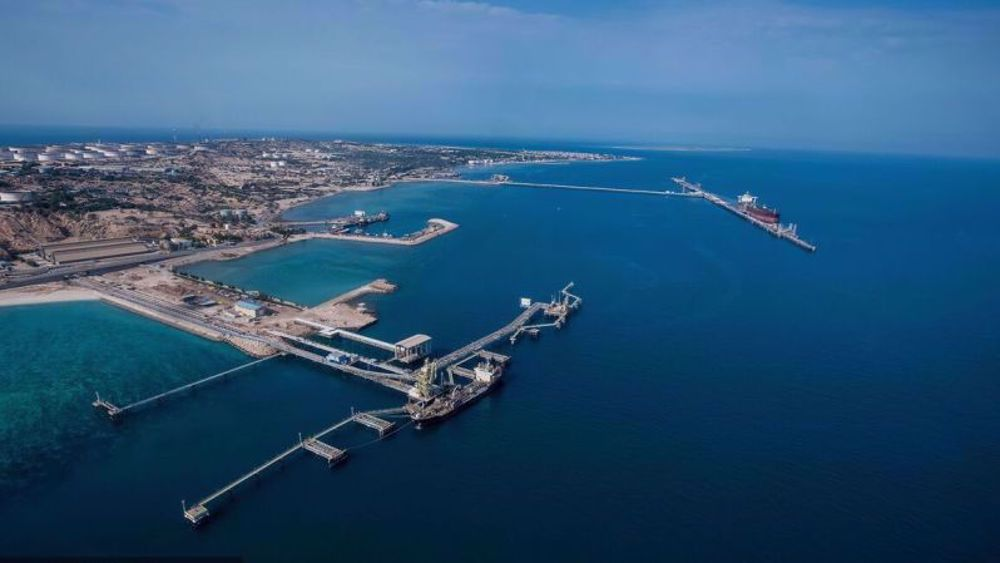
Financial markets initially embraced the agreement because it helped reduce fears of a prolonged disruption in the Strait of Hormuz, one of the world’s most critical energy chokepoints. Shipping activity has begun recovering after weeks of tension, easing concerns over crude supply and contributing to a decline in oil prices. Lower energy costs could provide relief to import-dependent economies across Europe and Asia while helping central banks maintain a more accommodative stance on interest rates.
Not everyone views the agreement as a strategic victory. Critics argue Washington conceded too much in exchange for temporary stability. Veteran strategist David Roche described the accord as a flawed compromise that could strengthen Iran’s regional influence while failing to permanently address its nuclear program. Others warn that Israel may remain deeply skeptical of any settlement that does not fundamentally constrain Tehran’s long-term capabilities.
The market’s reaction reflects a familiar pattern: investors often price in the immediate benefits of de-escalation long before the political details are fully resolved. The real test will come over the next several weeks. If negotiations regain momentum, the agreement could become one of the most significant geopolitical breakthroughs of the year. If they stall, markets may discover that the recent rally in risk assets and retreat in oil prices were built on a far more fragile foundation than many assumed.
