
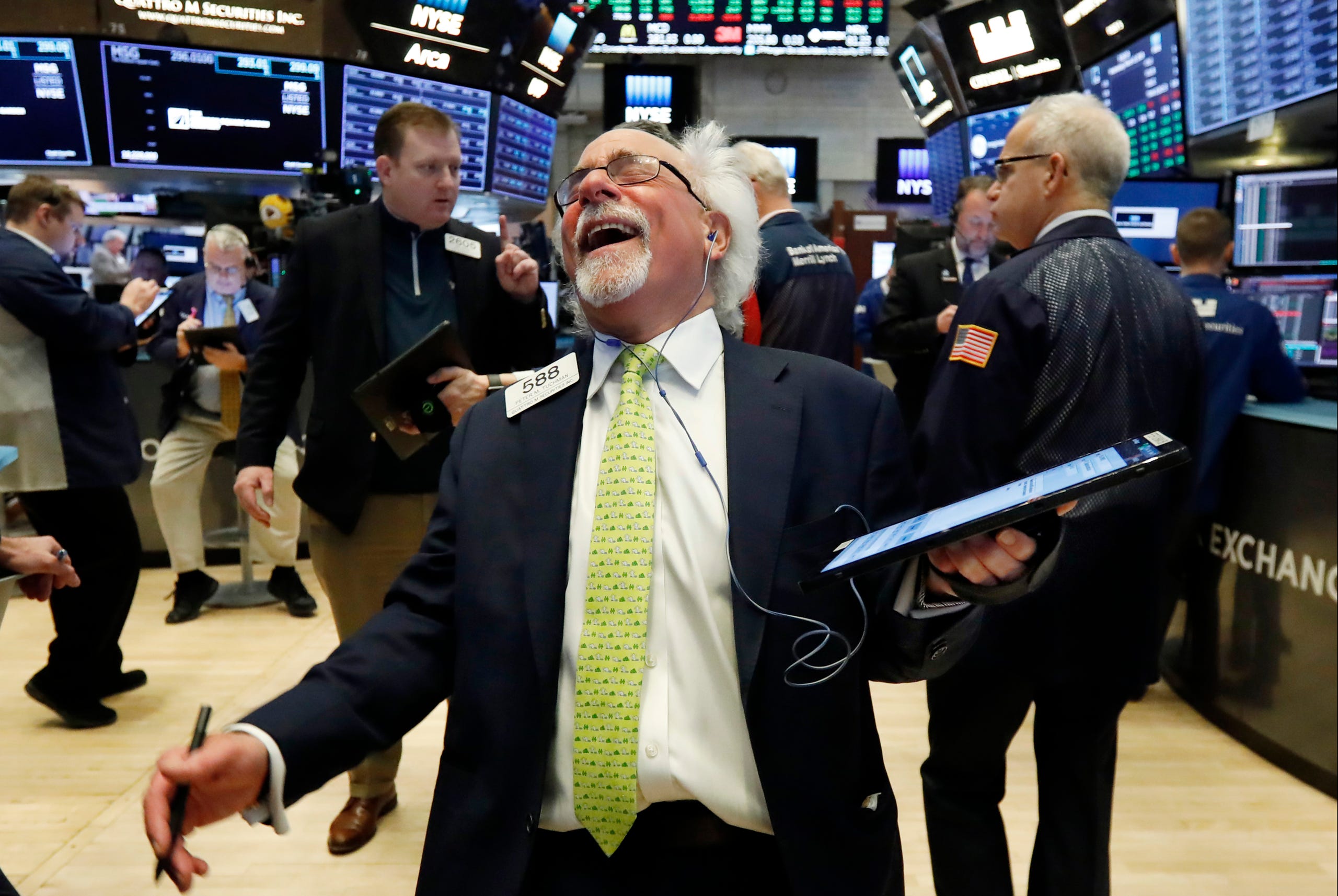
Microsoft’s strong cloud outlook revived confidence in AI spending, although elevated Treasury yields and persistent inflation kept monetary-policy risks firmly in focus.
MARKET INSIDER — US stocks rebounded sharply on Thursday as Microsoft’s forecast-beating results reignited demand for artificial-intelligence and semiconductor shares, helping Wall Street recover part of the previous session’s Federal Reserve-driven sell-off.
The Nasdaq Composite climbed about 2.4%, while the S&P 500 advanced 1.3% and the Dow Jones Industrial Average gained 0.7%. Microsoft surged approximately 15% after stronger Azure growth and a more disciplined capital-spending outlook reassured investors that its AI investments could continue generating cash.
Key Highlights
- The Nasdaq jumped about 2.4%, led by Microsoft and semiconductor shares.
- Microsoft surged approximately 15% after forecasting stronger cloud growth and lower-than-expected capital expenditure.
- Meta fell nearly 9% after second-quarter free cash flow plunged 91%.
- The 30-year Treasury yield reached a 19-year high as markets reassessed the Fed’s rate outlook.
Microsoft restores confidence in the AI trade
Microsoft became the central driver of Thursday’s recovery after reporting better-than-expected earnings and issuing an upbeat outlook for cloud demand.
Azure revenue increased 43% in the latest quarter, while Microsoft forecast current-quarter sales and cloud growth above analysts’ expectations. The company also projected lower capital expenditure than Wall Street had anticipated and said it expected to continue generating cash through fiscal 2027, Reuters reported.
Those signals addressed the market’s two principal concerns about the AI boom: whether massive infrastructure investment is translating into revenue and whether technology companies can finance continued spending without severely damaging cash flow.
The optimism spread rapidly across the semiconductor sector. The Philadelphia Semiconductor Index gained almost 7%, snapping a five-session losing streak, while Micron Technology and Advanced Micro Devices posted double-digit gains.
The rally was partly a recovery from heavy recent losses rather than an entirely new advance. Semiconductor valuations had come under pressure as investors questioned whether earnings could keep pace with the scale of spending on chips, data centres and electricity.
Meta shows the other side of the AI investment cycle
Meta Platforms moved in the opposite direction, falling nearly 9% after reporting a 91% year-over-year decline in second-quarter free cash flow.
The contrast between Microsoft and Meta illustrated how selectively investors are now evaluating AI spending. Microsoft demonstrated accelerating cloud revenue, better-than-expected cash generation and greater spending discipline. Meta’s results instead highlighted how rapidly infrastructure expenditure can absorb operating cash flow before the associated investments produce measurable returns.
The market is therefore no longer rewarding capital expenditure simply because it is connected to artificial intelligence. Investors increasingly want evidence that spending is producing durable revenue, stronger margins or defensible competitive advantages.
Stocks recover after the Fed’s hawkish hold
Thursday’s gains followed a steep sell-off after the Federal Reserve maintained its target rate at 3.50%–3.75%. The decision passed by a 9–3 vote, with three policymakers preferring a quarter-point increase according to Federal Reserve
The Dow had fallen more than 1,100 points on Wednesday, while the Nasdaq 100 entered correction territory after declining at least 10% from its early-June peak.
Investors interpreted the Fed’s decision as a “hawkish hold.” Chairman Kevin Warsh offered limited forward guidance, while the three dissents reinforced expectations that a rate increase remained possible at the September meeting.
The resulting uncertainty pushed the 30-year Treasury yield as high as 5.2444%, its highest level since 2007. Elevated long-term yields remain a significant risk for technology stocks because they reduce the present value of future earnings and increase the financing cost of data-centre development.
Slower growth provides little relief
Fresh economic data presented a mixed picture. US gross domestic product expanded at an annualized rate of 1.5% during the second quarter, slowing from 2.1% in the first quarter. Consumer spending, business investment and exports supported activity, while weaker government spending and a wider trade deficit restrained growth. US Bureau of Economic Analysis mentioned.
The core personal consumption expenditures price index increased 3.3% from a year earlier, while headline PCE inflation slowed to 3.7%. Although both readings indicated some improvement, inflation remained substantially above the Federal Reserve’s 2% objective.
The combination of slower growth and elevated inflation creates a difficult environment for policymakers. Raising rates could place additional pressure on economic activity, but keeping policy unchanged risks allowing energy and other price pressures to become more persistent.
What investors should watch next
Thursday’s rebound demonstrated that strong corporate results can temporarily outweigh interest-rate concerns, but it did not resolve the broader tension between expensive AI investment and tightening financial conditions.
Amazon and Apple were scheduled to report after the closing bell, providing the next test of technology-sector sentiment. Investors will focus on cloud growth, AI-related revenue, capital expenditure and free cash flow rather than headline earnings alone.
The bond market may ultimately prove more important than a single day’s equity rally. If long-term Treasury yields remain near 19-year highs or expectations of a September rate increase strengthen, highly valued technology and semiconductor shares could face renewed pressure.
Microsoft’s results have shown that investors will still reward AI spending when revenue growth and cash generation justify it. Meta’s decline delivered the corresponding warning: enthusiasm for artificial intelligence no longer guarantees market support when spending overwhelms near-term financial returns.
