
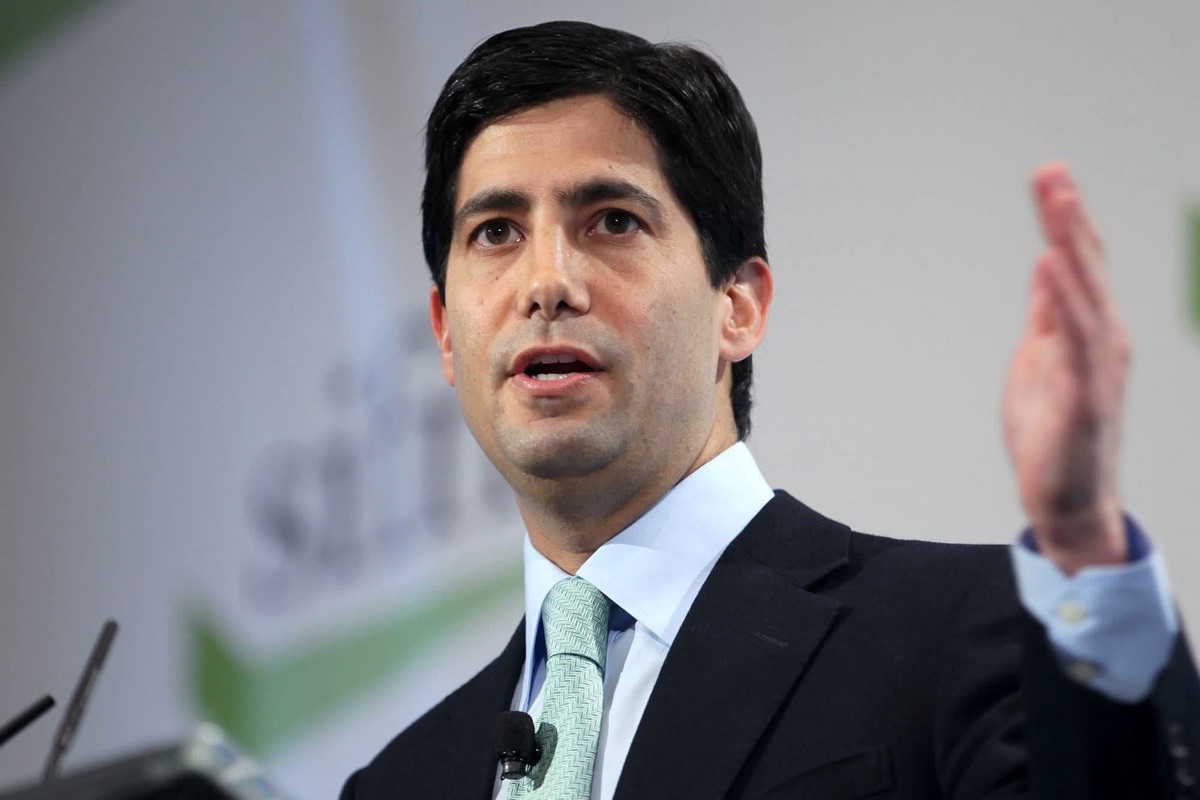
Wall Street now expects Federal Reserve hikes as Iran war fuels inflation and Donald Trump reshapes US monetary policy.
MARKET INSIDER – A new era at the Federal Reserve is beginning under the shadow of war, inflation and political pressure — and global markets are already bracing for higher US interest rates. Kevin Warsh officially took over as Fed chair on Friday as investors rapidly shifted expectations from rate cuts to potential rate hikes, driven by soaring energy prices linked to the escalating Iran conflict.
The sudden reversal is rattling everything from US Treasury markets to emerging-market currencies and global equities. After months of betting the Federal Reserve would begin easing monetary policy in 2026, traders are now pricing in at least one rate increase by year-end as inflation expectations surge toward 4%.
Warsh, a former Fed governor and longtime Wall Street insider, was sworn in during a White House ceremony led by President Donald Trump, marking one of the most politically charged transitions at the US central bank in decades. The appointment comes as the Fed faces mounting scrutiny over its independence, particularly after Trump repeatedly attacked former Fed chair Jay Powell for refusing to cut borrowing costs during a fragile economic period.
Financial markets reacted swiftly. The two-year US Treasury yield climbed to its highest level in more than a year, signaling that investors increasingly believe the Fed may need to tighten policy again if inflation becomes entrenched. Futures markets now fully price in a quarter-point rate hike before the end of 2026 — a dramatic shift from earlier forecasts that anticipated multiple cuts.
The trigger is the inflationary shock stemming from the Iran war. Rising oil prices, shipping disruptions and higher transportation costs are already feeding into consumer prices across the global economy. Analysts warn the situation could echo elements of the 1970s stagflation era, when geopolitical turmoil and energy crises forced central banks into aggressive tightening cycles despite slowing growth.
Warsh attempted to strike an optimistic tone during his swearing-in, promising “unmatched prosperity” and rising living standards. But investors appear less focused on rhetoric and more concerned about whether the Fed can contain inflation without tipping the economy into recession. Fed governor Christopher Waller reinforced the market’s anxiety by signaling that policymakers are increasingly moving away from a bias toward rate cuts, although he cautioned that immediate hikes are not yet inevitable.
For global investors, the implications extend far beyond Washington. Higher US rates typically strengthen the dollar, tighten global liquidity and pressure emerging markets already struggling with debt, currency volatility and slowing exports. Asian economies, including Vietnam, could face renewed capital outflows if US yields continue rising, while technology stocks and crypto markets may encounter fresh turbulence after months of recovery optimism.
Warsh’s first major test will come at the Federal Open Market Committee meeting in June, where markets will closely watch whether he signals a tougher anti-inflation stance from day one. Some analysts argue that failing to act decisively could itself be interpreted as a form of easing — potentially undermining the Fed’s credibility at a critical moment.
The bigger question now is whether the world is entering a new economic regime where geopolitics, not central bankers, dictate the direction of inflation and interest rates. If so, Wall Street’s biggest mistake may not have been underestimating inflation — but underestimating how quickly war can rewrite the rules of global finance.
