
Vietnam’s home textiles industry presents opportunities that extend beyond the domestic consumer market. Alongside demand for furnishing products, the country’s established textile manufacturing base and regional trade connections create potential for international businesses seeking distribution partners, manufacturing capabilities, and new supply chain relationships.
For foreign brands and manufacturers, Vietnam offers several possible routes into the market, from working with local distributors to exploring production partnerships. Vietnamese retailers and manufacturers, meanwhile, can benefit from access to international suppliers, specialized materials, and complementary production capabilities.
Understanding these opportunities requires looking beyond market size to examine the industry’s commercial channels, manufacturing ecosystem, and the practical considerations involved in building partnerships in Vietnam.
Vietnam’s Home Textiles Market: Demand and Commercial Potential
Vietnam’s home textiles market covers a broad range of products, including curtains, bedding, upholstery fabrics, and other soft furnishings serving residential and commercial customers.
According to IMARC Group’s market outlook, Vietnam’s home textiles market is projected to grow at a compound annual growth rate (CAGR) of 2.18% between 2026 and 2034, reaching approximately USD 655.8 million by 2034.
Although market growth is relatively moderate, the sector offers opportunities across several customer segments and commercial channels.
In the residential market, retail chains, specialized furnishing stores, and e-commerce platforms provide potential routes to reach local consumers. International brands considering market entry need to understand local purchasing preferences, product positioning, pricing expectations, and the distribution networks already serving these customers.
Commercial demand represents another area of interest. Hospitality operators, property developers, and interior construction projects require products that meet specific design, technical, and quality requirements. Depending on the project, suppliers may need to provide customized fabrics, consistent product specifications, and reliable delivery arrangements.
These requirements create opportunities not only for finished-product suppliers but also for companies providing specialized materials, components, and manufacturing services.
Vietnam’s Manufacturing Ecosystem and Supply Chain Opportunities
Beyond domestic consumption, Vietnam’s established textile manufacturing industry provides an additional foundation for international business cooperation.
The country has developed manufacturing capabilities across different textile-related activities. For home furnishings, potential areas of cooperation include fabric supply, curtain components, window-covering systems, and finished soft furnishing products.
This creates opportunities for international companies to explore Vietnam as both a sales market and a manufacturing destination.
For example, foreign brands may consider working with Vietnamese manufacturers to develop or produce selected product lines. International suppliers of specialized fabrics, hardware, and components may also find opportunities to work with local manufacturers seeking complementary production inputs.
However, identifying a suitable manufacturing partner requires more than comparing product categories or quotations.
Businesses should assess technical capabilities, production capacity, material sourcing, customization options, and quality management processes. The ability to maintain consistent specifications and meet delivery requirements is particularly important when establishing long-term supply relationships.
For companies planning to develop products in Vietnam, understanding the capabilities of individual manufacturers and how they fit into the wider supply chain is an important part of the evaluation process.
Where International Businesses Can Find Opportunities
The commercial opportunities within Vietnam’s home textiles sector differ depending on the role and objectives of each business.
1. Market entry through local distribution partnerships
International manufacturers and brands seeking access to Vietnamese customers may consider working with local importers, distributors, and retail partners.
These companies can provide access to existing sales channels and customer relationships, helping foreign businesses understand how their products may fit into the domestic market.
Before establishing a distribution arrangement, international brands should evaluate the prospective partner’s market coverage, customer base, product portfolio, and ability to represent the brand commercially.
The right partnership can provide a more practical route to market than building an entirely independent distribution operation from the beginning.
2. International sourcing for Vietnamese retailers and distributors
For Vietnamese retailers and distributors, international suppliers can offer opportunities to broaden existing product portfolios.
Businesses may explore specialized fabrics, differentiated curtain products, window-covering systems, and complementary furnishing components that address the requirements of their customer segments.
The evaluation should consider product suitability, purchasing conditions, supplier reliability, and the potential for longer-term commercial cooperation.
Rather than focusing solely on product availability, buyers need to identify suppliers whose capabilities and commercial terms align with their distribution strategies.
3. Manufacturing and product development partnerships
A third opportunity involves cooperation between manufacturers and suppliers operating in different parts of the home textiles value chain.
Vietnamese manufacturers may seek overseas suppliers of specialized materials or components, while international companies may explore local production capabilities for selected products.
Depending on the businesses involved, cooperation could take the form of component supply agreements, private-label manufacturing, product development, or longer-term production partnerships.
These arrangements require a clear understanding of technical specifications, production responsibilities, quality expectations, and commercial terms before moving into regular operations.
What Businesses Should Evaluate Before Entering the Market
Identifying potential partners is only the first step. Turning an initial introduction into a commercially viable relationship requires careful evaluation.
For international companies entering Vietnam, several considerations deserve attention.
Market and distribution fit: Businesses should understand which customer segments they intend to serve and whether a prospective distributor has access to the relevant sales channels.
Manufacturing capabilities: Companies considering local production should assess whether manufacturers have the necessary technical expertise, equipment, capacity, and experience with the required product categories.
Product specifications and quality: Fabrics, components, and finished products must meet the intended market’s requirements. Consistency across production batches is particularly important for businesses supplying retail chains or commercial projects.
Supply chain reliability: Material availability, production planning, delivery schedules, and communication processes can all influence the viability of a long-term partnership.
Commercial alignment: Both parties should establish clear expectations regarding pricing, order requirements, responsibilities, and future business development.
These considerations help businesses move beyond general market interest and determine whether a potential partnership can support their actual commercial objectives.
Hometex Vietnam 2026: Connecting Regional Industry Players

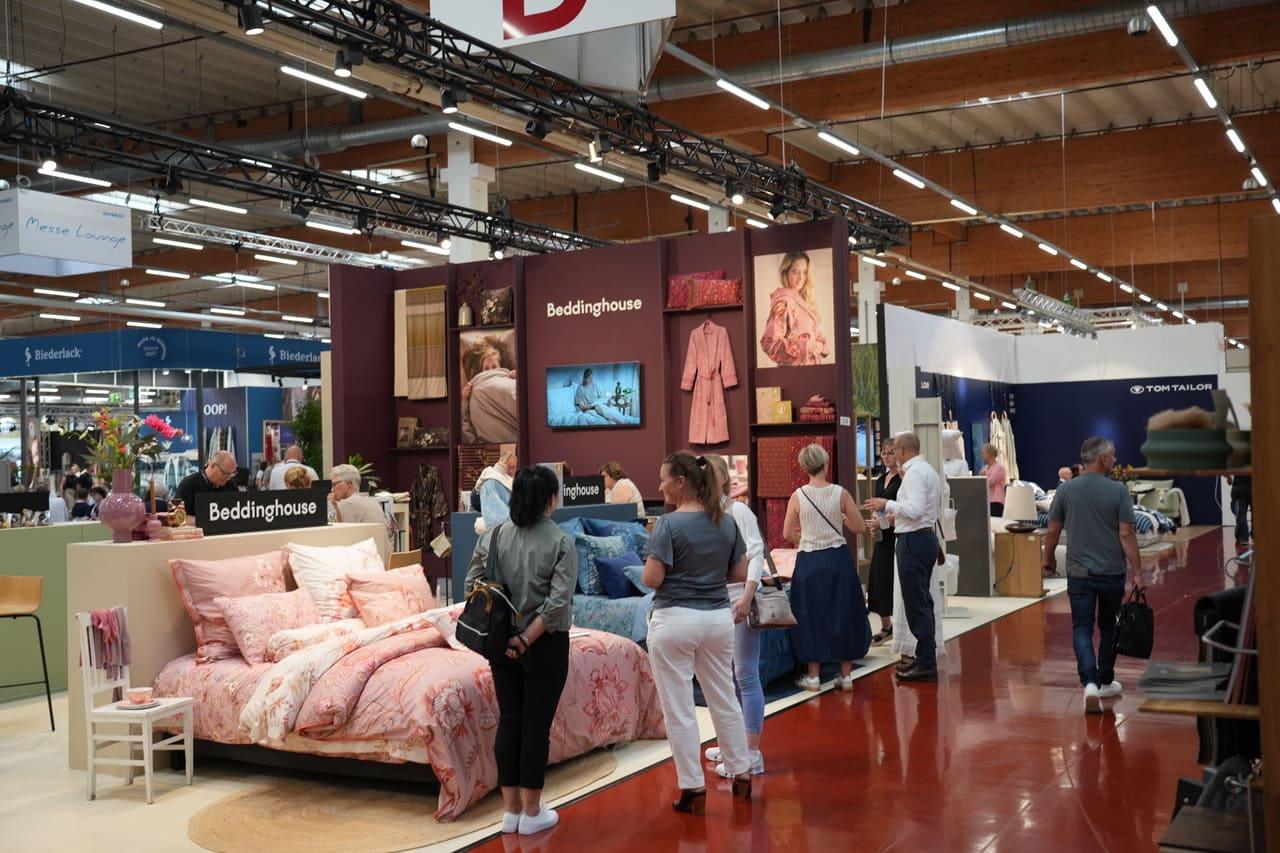
Industry exhibitions can provide a practical starting point for companies seeking to understand a market and identify potential business partners.
Hometex Vietnam 2026 will take place from November 19–21, 2026, at the Saigon Exhibition and Convention Center (SECC) in Ho Chi Minh City.
The event marks the first international edition of Hometex Shenzhen, an established Asian trade exhibition with nearly three decades of experience. Its focus includes window coverings, wall coverings, and related soft furnishing products.
According to the organizers, the exhibition is expected to feature more than 150 exhibitors across approximately 4,500 square meters, representing different segments of the home furnishings industry.
The event targets industry professionals, including distributors, retail chains, purchasing agents, trading companies, manufacturers, and project contractors.
Its exhibitor profile reflects the diversity of the sector. For example, RUICHI Textile specializes in finished curtain products, while LUHE manufactures aluminum profiles and components for curtain systems. The presence of both product manufacturers and component suppliers illustrates the different areas of cooperation available within the industry.
For international manufacturers and brands, the exhibition provides an opportunity to meet potential importers and distributors. Vietnamese retailers can explore international product ranges and supplier relationships, while manufacturers may identify complementary suppliers or potential production partners.
However, the value of attending an exhibition extends beyond the number of contacts established. Businesses should approach these meetings with clear objectives, relevant product requirements, and an understanding of the type of partnership they are seeking.
For companies evaluating Vietnam as a potential market or manufacturing base, Hometex Vietnam 2026 offers an opportunity to gain industry exposure and initiate discussions with relevant market participants.
From Industry Connections to Long-Term Partnerships

The development of a successful business relationship rarely ends with an initial introduction.
After identifying a potential partner, companies need to evaluate whether their capabilities, commercial objectives, and operating requirements are aligned.
For a foreign brand, this may involve assessing a distributor’s market coverage and ability to develop sales. For a manufacturer, it may mean reviewing a supplier’s technical capabilities, production consistency, and ability to meet specifications.
In some cases, an initial discussion may lead to sample development, technical evaluations, or a limited commercial arrangement before both parties consider a longer-term commitment.
This process is particularly relevant in the home textiles industry, where product specifications, materials, customization, and production requirements can vary considerably across categories.
A structured approach to partner evaluation helps companies reduce uncertainty and establish more realistic expectations before committing to a commercial relationship.
Conclusion: Vietnam’s Position in the Regional Home Textiles Trade
Vietnam’s home textiles industry offers several potential routes for international business cooperation, spanning domestic distribution, international sourcing, and manufacturing partnerships.
The country’s established textile manufacturing ecosystem, combined with opportunities across residential and commercial furnishing segments, makes it a market worth evaluating for businesses operating in the wider home furnishings industry.
For international companies, the key is to identify where Vietnam fits within their commercial strategy, whether as a sales market, a source of manufacturing capabilities, or a connection point for regional supply relationships.
Industry platforms such as Hometex Vietnam 2026 can support this process by bringing together manufacturers, distributors, and other trade professionals.
Ultimately, the value of these opportunities will depend on the ability to identify suitable partners and translate initial business connections into workable commercial arrangements.
Event Information
Event: Hometex Vietnam 2026
Date: November 19–21, 2026
Opening Hours: 9:00 AM–5:00 PM
Venue: Hall B1, Saigon Exhibition and Convention Center (SECC), Ho Chi Minh City, VietnamBusinesses planning commercial activities in Vietnam and Southeast Asia can find further information and visitor registration details through the exhibition’s official website.
