
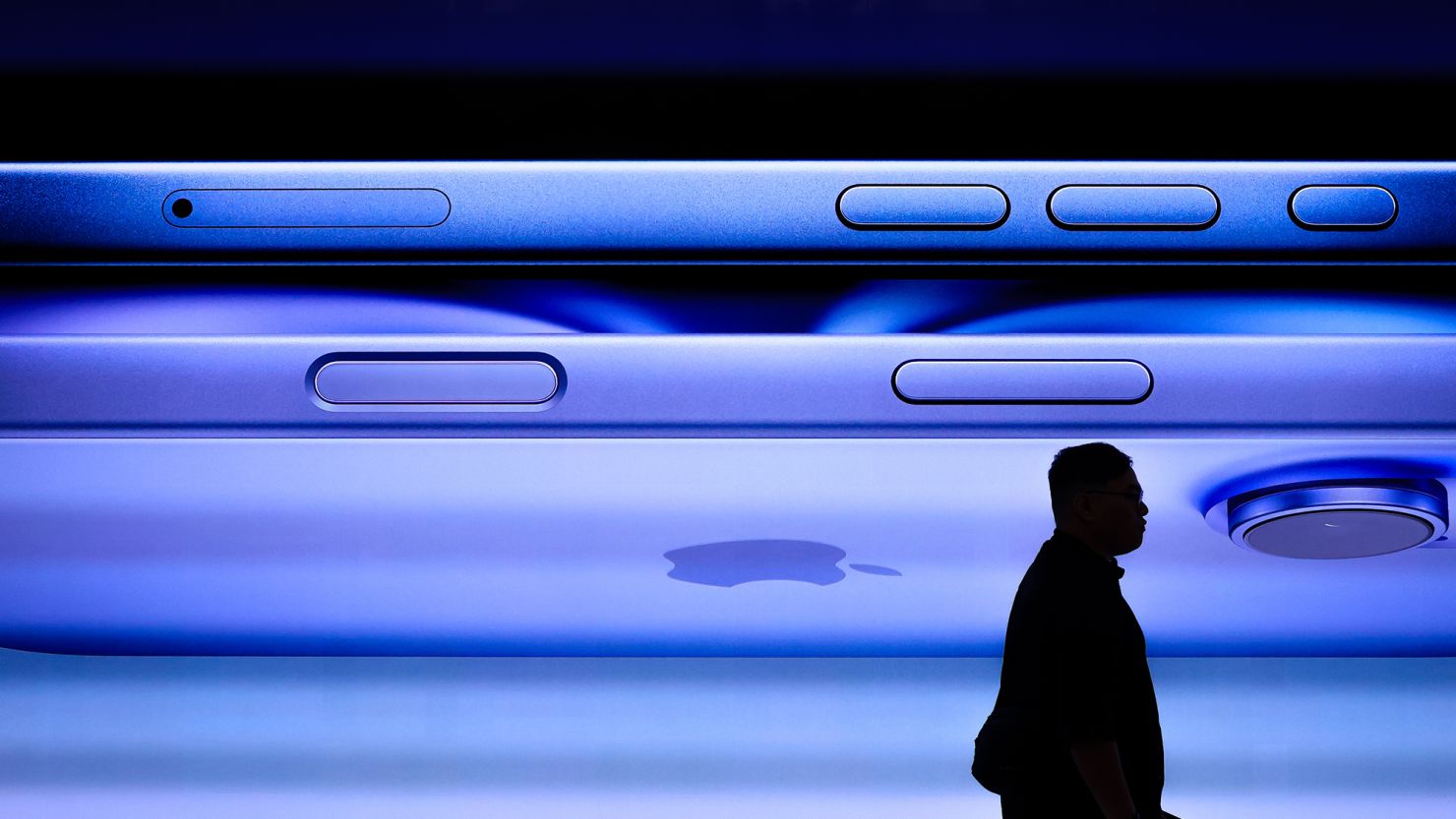
Half a century after its founding, Apple faces its biggest test yet: staying dominant in the age of artificial intelligence.
MARKET INSIDER – Apple’s journey from a California garage in 1976 to a near half-trillion-dollar revenue machine is one of the most consequential stories in modern capitalism. But as the iPhone maker turns 50, the narrative is shifting—from unrivaled innovation to a high-stakes race against the next technological wave: artificial intelligence.
The question now confronting global investors is simple but profound: can Apple redefine the future again, or will AI-native rivals reshape the industry it once dominated?
Founded by Steve Jobs and Steve Wozniak, Apple transformed personal computing, then redefined mobility with the iPhone—arguably the most influential consumer product of the 21st century. Its tightly integrated ecosystem of hardware, software, and services became the gold standard, allowing the company to scale into one of the world’s most valuable corporations while shaping how billions of people live, work, and communicate.
Yet the rise of AI is exposing cracks in that dominance. Since OpenAI launched ChatGPT in 2022, Apple’s stock has lagged behind its Big Tech peers, including Alphabet and Microsoft—both of which are investing aggressively in AI infrastructure and applications. While Apple has quietly embedded machine learning into its chips for years, delays in rolling out consumer-facing AI features, including a long-anticipated overhaul of Siri, have raised concerns about its readiness for this new paradigm.
The stakes are global. AI is not just another feature layer—it is emerging as the next interface between humans and technology, with implications spanning productivity, commerce, and geopolitics. Rivals are already exploring AI-first devices that could challenge the dominance of smartphones, the very category Apple perfected. If that shift materializes, it could redraw the competitive landscape as dramatically as the iPhone once did.
Still, Apple’s core business remains formidable. Strong demand for its latest iPhone 17 lineup continues to anchor revenues, while new products like its lower-cost MacBook Neo are expanding its reach. The company is also increasingly driven by its high-margin services segment—spanning the App Store, music, and streaming—which provides recurring income from its vast global user base. Growth in China and emerging markets such as India is further diversifying its revenue streams as Western smartphone markets mature.
Financially, Apple’s trajectory remains staggering. From its 1980 IPO to today, its stock has delivered one of the most dramatic wealth creation stories in market history. The company is now on track to generate around $465 billion in annual revenue, underscoring its scale and resilience even as competition intensifies.
But scale alone may not guarantee relevance in the next decade. As tech analyst Ben Thompson notes, Apple has spent 50 years operating without a true rival to its integrated model. The next 50 may depend on whether AI enhances that ecosystem—or disrupts it entirely.
The deeper tension is this: Apple built its empire by controlling the interface. AI threatens to abstract that interface away. If consumers begin interacting with technology primarily through intelligent agents rather than devices, the balance of power could shift toward those who own the intelligence layer.
For investors and industry leaders alike, Apple’s anniversary is less a celebration than a strategic inflection point. The company that once defined the future must now prove it can do so again—this time in a world where the rules are being rewritten by AI.
