
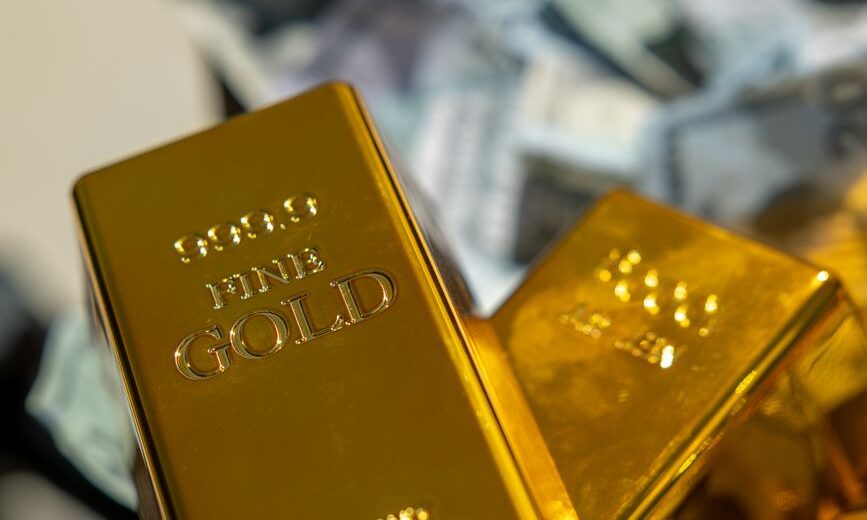
Bullion surrendered earlier gains as escalating Middle East tensions lifted energy prices, Treasury yields and expectations of tighter US monetary policy.
MARKET INSIDER — Gold retreated on Thursday after touching a two-week high in the previous session, as rising oil prices revived inflation concerns and strengthened expectations that the Federal Reserve may raise interest rates later this year.
Spot gold initially held near $4,132 an ounce before falling about 0.9% to $4,091.24 later in the session. August US gold futures declined 1.4% to approximately $4,093.80.
Key highlights
- Gold fell after reaching $4,165.87, its highest level since July 7.
- Oil’s six-week rally intensified concerns about renewed inflation.
- Markets assigned approximately a 78% probability to a September Fed rate increase.
- The Fed is widely expected to leave rates unchanged on July 29.
Why is higher oil pressuring gold?
The United States launched another round of strikes against Iran, while Iran-aligned Houthi forces targeted tankers in the Red Sea. The escalation pushed oil toward multiweek highs and raised the risk that expensive energy could keep inflation elevated.
That dynamic is producing conflicting forces for gold. Geopolitical instability ordinarily supports bullion as a defensive asset, while a weaker dollar makes it less expensive for international buyers. However, oil-driven inflation could force central banks to maintain restrictive monetary policy or raise rates further.
Higher interest rates increase the opportunity cost of holding gold because the metal does not provide a regular yield.
What is the Fed expected to do?
The Federal Open Market Committee will meet on July 28–29 and is widely expected to leave its policy rate unchanged. Investors will focus on its assessment of energy prices and whether policymakers signal that another increase may be required in September.
Futures markets placed the probability of a September rate increase at about 78%, up from 68% previously, according to CME FedWatch. The shift helped push the two-year US Treasury yield to a 17-month high. Federal Reserve meeting calendar, CME FedWatch reported
The European Central Bank was also expected to keep rates unchanged on Thursday while preserving the option of another increase in September as higher energy costs complicate its inflation outlook, according to Reuters
What should gold investors watch?
Gold’s next move will depend on whether geopolitical demand can outweigh the pressure from rising bond yields. A prolonged oil rally would strengthen the case for tighter monetary policy and could weigh further on bullion. Conversely, renewed conflict, a weaker dollar or evidence that inflation remains contained could restore safe-haven demand.
Other precious metals also weakened later in Thursday’s session, with silver down 1.4%, platinum losing 0.9% and palladium falling 1.5%. Reuters added.
