
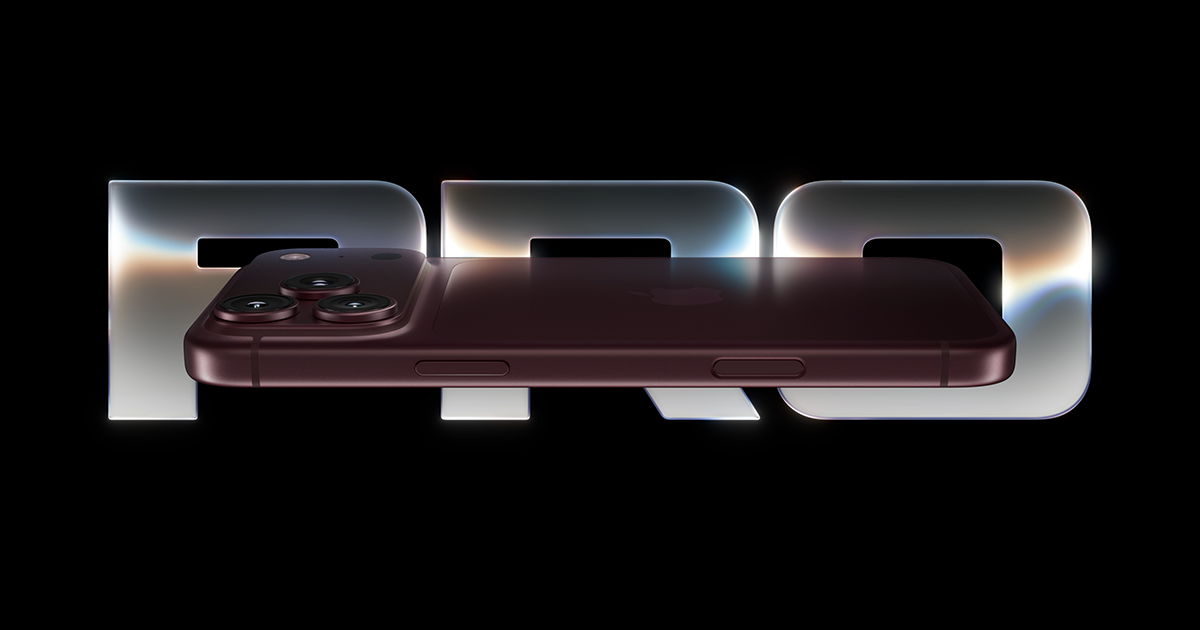
Reported component-order cuts have raised concerns about sales, but a staggered release schedule complicates comparisons with previous years.
MARKET INSIDER — Conflicting reports about Apple’s iPhone 18 Pro demand are drawing attention to a key question for investors: do lower component orders signal disappointing sales, or reflect changes in production planning and the timing of new models?
Nikkei Asia has reported that Apple reduced component orders following weaker-than-expected demand. AppleInsider disputes the broader interpretation, citing its own sources who say assembly orders remain unchanged. Shorter delivery times have added to the debate, but neither supplier orders nor shipping estimates alone establish how many phones consumers are buying—or how profitable this year’s lineup will prove.
Key Highlights
- Nikkei Asia reports reduced iPhone 18 Pro component orders, while AppleInsider says assembly orders have not been cut.
- A staggered launch schedule makes total production comparisons with previous years less straightforward.
- Investors need evidence on consumer purchases, inventory and product mix before drawing conclusions about Apple’s earnings outlook.
Conflicting reports measure different parts of the business
According to Nikkei Asia, suppliers have received reduced orders for components used in the iPhone 18 Pro and Pro Max. One source described a more cautious approach beginning in early September, while another said adjustments had started in August.
Reuters also reported Nikkei’s findings, attributing the component reductions to softer demand.
AppleInsider offers a different interpretation. It argues that routine component adjustments and this year’s launch schedule do not establish a demand crisis, and says its sources have not seen cuts to assembly orders.
The two accounts are not necessarily mutually exclusive.
Component procurement, final assembly and consumer sales occur at different stages. Apple could adjust purchases of particular parts while maintaining near-term assembly using existing inventories. Conversely, unchanged assembly orders would not prove that retail demand is meeting expectations.
The central uncertainty is how the reported changes compare with Apple’s original production plan and actual purchases by customers.
A staggered launch complicates annual comparisons
The iPhone 18 Pro and Pro Max went on sale on September 18 after their September 9 announcement. Unlike a launch in which the full new lineup reaches stores together, this year’s rollout concentrates the initial release on premium models.
The supplied reporting places the standard iPhone 18, iPhone 18e and iPhone Air 2 in an expected early-2027 release window. Those future launch expectations should be distinguished from products already available.
Apple’s current website lists the iPhone 18 Pro and foldable iPhone Duo alongside existing models, including the iPhone Air, iPhone 17 and iPhone 17e.
A smaller number of new models shipping during the autumn could reduce aggregate component requirements without demonstrating that each available model is underperforming.
However, the schedule does not resolve the narrower question of whether Pro sales are meeting Apple’s own expectations. That requires comparisons using equivalent models, markets and weeks since launch.
Shorter delivery times are an incomplete demand signal
The source report notes that delivery estimates on Apple’s website are shorter than the multiweek waits seen in 2025.
That can be consistent with weaker demand, but it can also reflect better availability, larger launch inventories or a different allocation of stock across markets.
Delivery estimates measure the balance between incoming orders and the supply available to fulfill them. They do not isolate either side of that balance.
A stronger demand assessment would combine delivery times with retail sales, inventory levels and promotional activity. Comparisons should also match storage capacities, colors and locations, since availability can vary substantially between configurations.
For investors, the useful question is whether several indicators point in the same direction over time.
The foldable launch adds another variable
The supplied report says iPhone Duo preorders begin October 16, with deliveries starting October 23 and a U.S. starting price of $1,999.
Its arrival could influence purchasing decisions in more than one way. Some premium buyers may postpone a Pro purchase while evaluating the foldable. Others may choose the Pro after comparing price, design and practicality.
The size of either effect remains uncertain.
For Apple, the distinction between additional demand and substitution will matter. A Duo sale to someone who otherwise would not have upgraded has a different effect on total volumes from a sale replacing a planned Pro Max purchase.
A higher-priced product could also support revenue with fewer units sold. But higher selling prices do not automatically produce higher margins, because manufacturing and other costs may differ.
Why Asian suppliers and retailers may see different outcomes
The debate matters across Apple’s Asian supply chain, but the consequences will vary by business.
A component supplier’s revenue depends on its content in each device, pricing and order allocation. An assembler is more directly exposed to the production schedule. Retailers depend on customer purchases, stock turnover and the discounts needed to complete sales.
As a result, a change that is manageable for Apple could still affect an individual supplier materially.
For Vietnamese retailers, the practical indicators are local inventory, promotional spending and margins. Short delivery times in another market cannot establish whether Vietnamese customers are delaying purchases or whether domestic distributors are carrying excess stock.
What would clarify the outlook?
Apple’s next financial results and management commentary will offer a broader view of iPhone revenue, regional performance and profitability. Supplier disclosures and retailer reports may help explain whether production adjustments are temporary or sustained.
The Duo rollout will provide another test: whether the broader premium lineup attracts additional buyers or mainly redistributes purchases between models.
For now, the evidence supports scrutiny of demand rather than a definitive conclusion that the iPhone 18 Pro has lost its appeal. The decisive issue is whether customer purchases and profitability meet expectations across the full launch cycle.
