
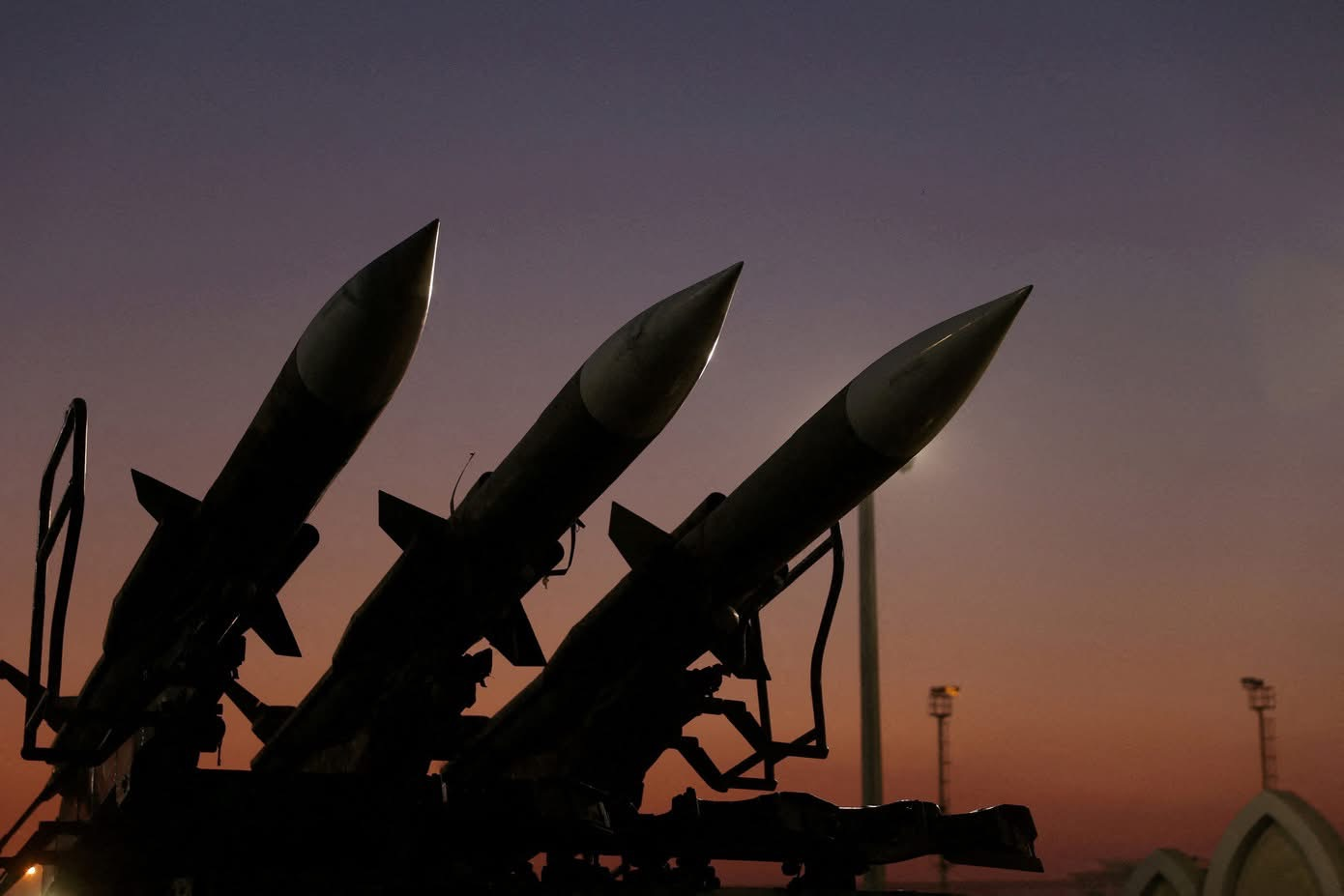
Brent and WTI rebounded more than 3% after Iranian missiles targeted US forces and retaliatory strikes hit Iran-aligned groups in Iraq, reviving concerns about Middle Eastern energy supplies.
MARKET INSIDER — Oil prices surged in Asian trading on Wednesday after renewed military exchanges between the United States and Iran ended a brief pause in direct hostilities and restored part of crude’s geopolitical risk premium.
Brent crude rose more than 3% to around $87 a barrel, while US West Texas Intermediate advanced to approximately $82. The rebound followed an attempted Iranian ballistic-missile attack on US forces and joint US-Saudi strikes against Iran-aligned groups in eastern Iraq. Separate security incidents in the Red Sea added to concerns about regional shipping and energy infrastructure.
Key highlights
- Brent crude climbed more than 3% to approximately $87 a barrel.
- WTI advanced to around $82 after sharp losses earlier in the week.
- US forces intercepted ballistic missiles launched from Iran toward American personnel.
- US and Saudi forces struck weapons and logistics sites in eastern Iraq.
- Saudi Arabia intercepted drones reportedly targeting its energy infrastructure.
- UK maritime authorities reported an explosion heard near a tanker in the southern Red Sea, but the vessel and crew were safe.
- Falling US crude inventories provided additional support to prices.
Iranian missile attack ends hopes for an extended lull
The US Central Command said Iran’s Islamic Revolutionary Guard Corps launched multiple ballistic missiles in an attempted surprise attack against US forces in the Middle East.
The missiles were intercepted, and initial reporting did not indicate casualties among American personnel. Iran’s Revolutionary Guards said the attack targeted a US air base and a Central Command facility in Jordan.
The exchange disrupted a short period of relative calm during which Washington and Tehran had suspended direct attacks. That pause had pushed Brent sharply lower as traders reduced expectations of immediate strikes on oil fields, export terminals and other civilian energy infrastructure.
Wednesday’s rebound reflects a reassessment of those risks. Although the renewed attacks do not necessarily signal a return to sustained daily strikes, they demonstrate that neither side has entered a binding ceasefire or established a mechanism to prevent further escalation.
US and Saudi forces strike targets in Iraq
US and Saudi forces also conducted coordinated strikes against weapons and logistics sites used by Iran-aligned groups in eastern Iraq.
CENTCOM said the action followed more than 30 drone attacks over three days by groups it described as aligned with Tehran. Saudi Arabia separately reported intercepting drones directed at its petroleum infrastructure.
The involvement of Saudi forces is particularly important for oil markets. Saudi Arabia is the world’s largest crude exporter and has increasingly relied on its East-West pipeline and Red Sea terminals as alternatives to routes passing through the Strait of Hormuz.
Any successful attack that materially affects Saudi production, pipelines, storage facilities or export terminals could tighten global supplies considerably. Even unsuccessful strikes can increase insurance costs, delay shipping and discourage operators from using exposed facilities.
The renewed fighting therefore expands the market’s concern beyond Iran itself. Iraq-based armed groups, Houthi forces in Yemen and Saudi military involvement create several possible channels through which the conflict could affect oil flows.
Red Sea security incident adds to supply concerns
The United Kingdom Maritime Trade Operations agency reported suspicious activity involving a tanker in the southern Red Sea.
The vessel’s master reported hearing an explosion while transiting the area. UKMTO said the crew and tanker were safe and that no environmental damage had been reported.
The incident has not been conclusively attributed to any armed group. It should therefore not be presented as a confirmed Houthi attack without further evidence.
Nevertheless, the report reinforced concerns about commercial traffic through the Red Sea and Bab el-Mandeb, a route connecting Asian markets with the Suez Canal and Europe.
Yemen’s Iran-aligned Houthi movement has threatened Saudi energy infrastructure and maritime traffic. A combination of restricted navigation through the Strait of Hormuz and heightened risk around the Red Sea would leave Gulf producers with fewer reliable export alternatives.
US inventory decline supports crude’s rebound
Geopolitical developments were the main driver of Wednesday’s oil rally, but signs of tighter US supply also supported prices.
Industry data reportedly showed that American crude inventories fell by approximately 3.3 million barrels in the week ended July 24. Official figures from the US Energy Information Administration were due later Wednesday.
A confirmed inventory decline would suggest that physical demand remained relatively resilient despite market volatility and concerns about economic growth.
Oil prices could receive further support if gasoline and distillate inventories also decline. Conversely, an unexpected increase in refined-product stocks could indicate weaker consumption and limit the geopolitical rally.
OPEC+ policy is another important supply variable. The producer group is reportedly considering pausing further production increases from October after completing the planned restoration of barrels previously withheld under voluntary cuts.
Strait of Hormuz remains the central market risk
The greatest potential threat to global energy supplies remains the Strait of Hormuz, through which roughly one-fifth of global petroleum consumption ordinarily passes.
Shipping through the waterway has remained disrupted during the conflict. Iran has also reportedly stopped tankers that it accused of using unauthorised routes, adding to uncertainty over when commercial traffic can return to normal.
The difference between higher oil prices caused by fear and those caused by an actual supply shortage is important for investors. A geopolitical premium can disappear quickly if attacks stop, while the loss of physical barrels tends to produce a more persistent increase.
Current price action appears to reflect both factors: renewed fear of escalation and continued concern that restricted shipping could translate into a sustained supply deficit.
Fed decision creates a second source of volatility
Oil’s rally came ahead of the Federal Reserve’s policy decision, with investors divided over whether officials might raise interest rates in response to persistent inflation and elevated energy costs.
Higher oil prices could strengthen the case for tighter monetary policy if they feed into transport costs, consumer inflation and longer-term inflation expectations. However, higher interest rates and a stronger dollar would ordinarily restrain crude demand and can limit oil-price gains.
For that reason, the source material’s suggestion that Fed Chair Kevin Warsh’s hawkish tone directly compounded the oil-price spike should be treated cautiously. Monetary tightening is more accurately described as a countervailing risk for crude, even if the underlying inflation concerns are partly driven by energy prices.
The Federal Reserve held its policy rate at 3.50%–3.75% at Warsh’s first meeting as chair in June. The July gathering is therefore his second FOMC meeting as chair, not his first.
What investors should watch next
The immediate direction of oil will depend on whether the Iranian missile launch produces another sustained round of US strikes or remains a limited exchange.
Traders should monitor further military announcements, reported damage to Saudi facilities and shipping activity through both Hormuz and the Red Sea. Insurance premiums and tanker movements may provide faster evidence of physical disruption than political statements.
Official US inventory data, the Federal Reserve’s decision and guidance from OPEC+ will also influence prices.
For Asian economies, renewed oil inflation would be particularly significant. Large importers such as China, India, Japan and South Korea could face higher transport costs and pressure on trade balances, while Southeast Asian governments may confront rising fuel-subsidy expenses.
The latest rally does not yet confirm a lasting supply shock. It does show, however, that the oil market remains capable of reversing sharply whenever fragile military pauses break down.
