
British borrowing costs hit post-2008 highs as investors fear political chaos and fiscal instability in the U.K.
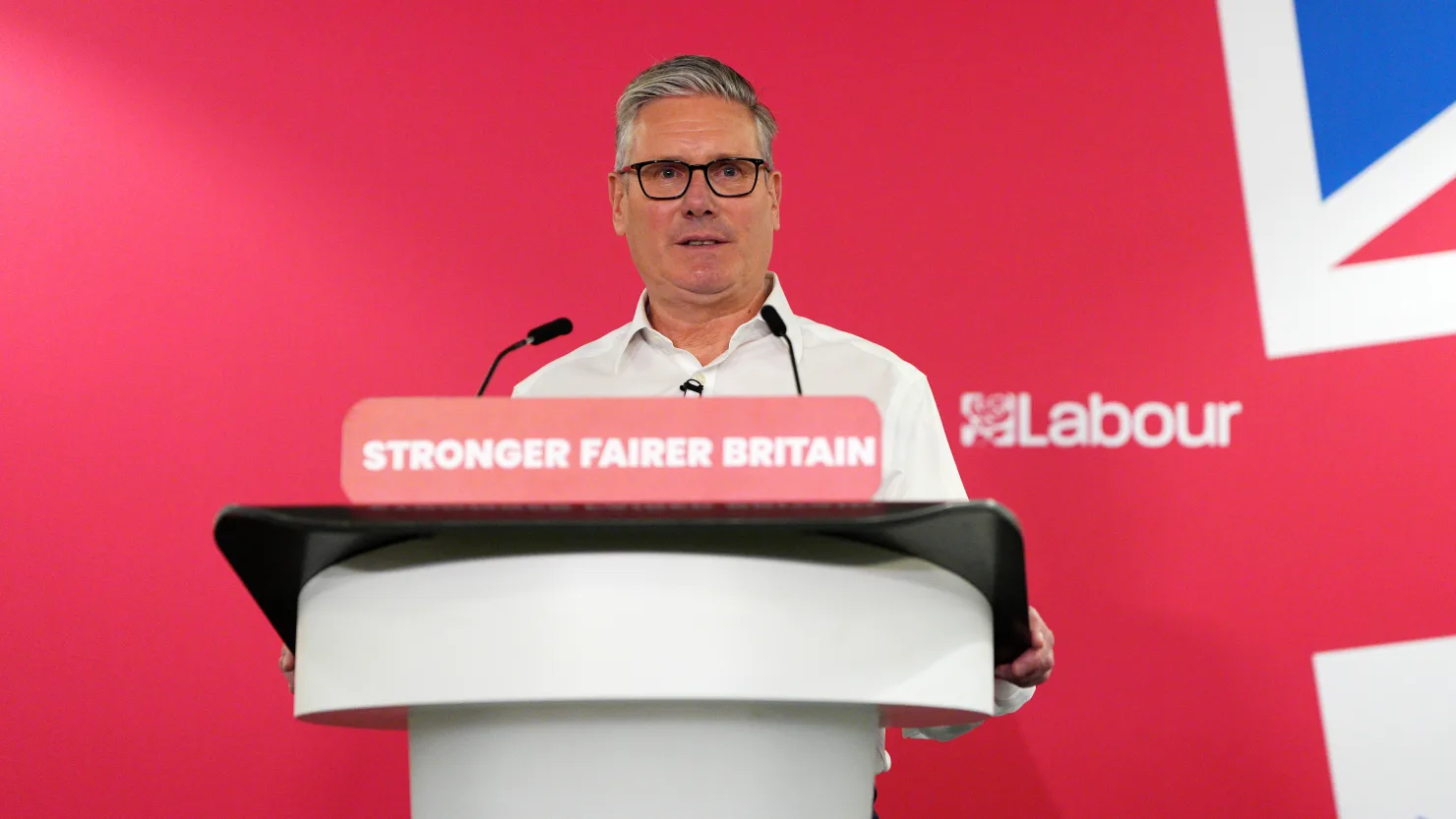
MARKET INSIDER – Britain’s financial markets are flashing warning signs reminiscent of past political crises, as surging government borrowing costs and mounting pressure on Prime Minister Keir Starmer rattle investors far beyond London. U.K. bond yields climbed to their highest levels since the aftermath of the 2008 global financial crisis on Tuesday, signaling growing fears that political instability could derail the country’s already fragile economic recovery.
The sharp selloff in British government debt — known as gilts — comes as more than 70 lawmakers from Starmer’s own Labour Party reportedly called for his resignation following disastrous local election results. For global investors, the crisis is no longer just about Westminster politics. It is increasingly becoming a referendum on whether the U.K. can maintain fiscal credibility at a time when markets are hypersensitive to rising debt, inflation risks, and populist policy shifts.
Yields on the benchmark 10-year U.K. gilt briefly surged above 5.1%, while 20-year and 30-year borrowing costs hit levels not seen since the late 1990s. Bond yields move inversely to prices, meaning investors are rapidly dumping British debt as uncertainty intensifies.
Analysts described the market reaction as a clear warning from so-called “bond vigilantes” — institutional investors who punish governments they view as fiscally reckless or politically unstable. Ebury strategist Matthew Ryan said investors were attaching a “political risk premium” to U.K. assets, driven by fears that a weakened Starmer government could be replaced by a more left-leaning administration willing to increase spending and borrowing.
The turmoil has revived painful memories of Britain’s 2022 gilt market crisis under former Prime Minister Liz Truss, when unfunded tax cuts triggered a historic market meltdown and forced emergency intervention from the Bank of England. This time, however, the concern is less about a single budget proposal and more about a broader vacuum of political authority.
Strategists at Citigroup warned that removing Starmer could push the Labour Party toward more expansionary fiscal policies, potentially weakening the British pound and driving bond yields even higher. They noted that domestic-focused companies within the FTSE 250 could suffer most from the uncertainty, while globally diversified firms in the FTSE 100 may prove more resilient due to overseas revenue exposure.
Meanwhile, economist Mohamed El-Erian cautioned international investors not to dismiss developments in Britain as merely local political drama. Speaking to CNBC, El-Erian warned that if both Starmer and Chancellor Rachel Reeves were forced out, U.K. yields could spike further and trigger broader spillover effects across global markets already struggling with elevated interest rates and slowing growth.
The political stakes are enormous. Starmer is already Britain’s sixth prime minister in a decade, reinforcing a growing international perception that the U.K. has entered an era of chronic political instability. That instability now risks translating directly into higher mortgage costs, weaker consumer confidence, and rising financing costs for businesses across the economy.
Ironically, the market turmoil may strengthen Starmer’s short-term survival prospects. Investors appear less fearful of his current centrist leadership than of what could replace it. But with Labour fractured, economic growth stagnant, and public frustration rising after years of declining living standards, markets are beginning to ask a deeper question: whether Britain’s political system can still deliver economic stability at all.
And if the answer increasingly becomes “no,” the real risk may not just be higher bond yields — but a long-term erosion of the U.K.’s standing as one of the world’s safest destinations for global capital.
