
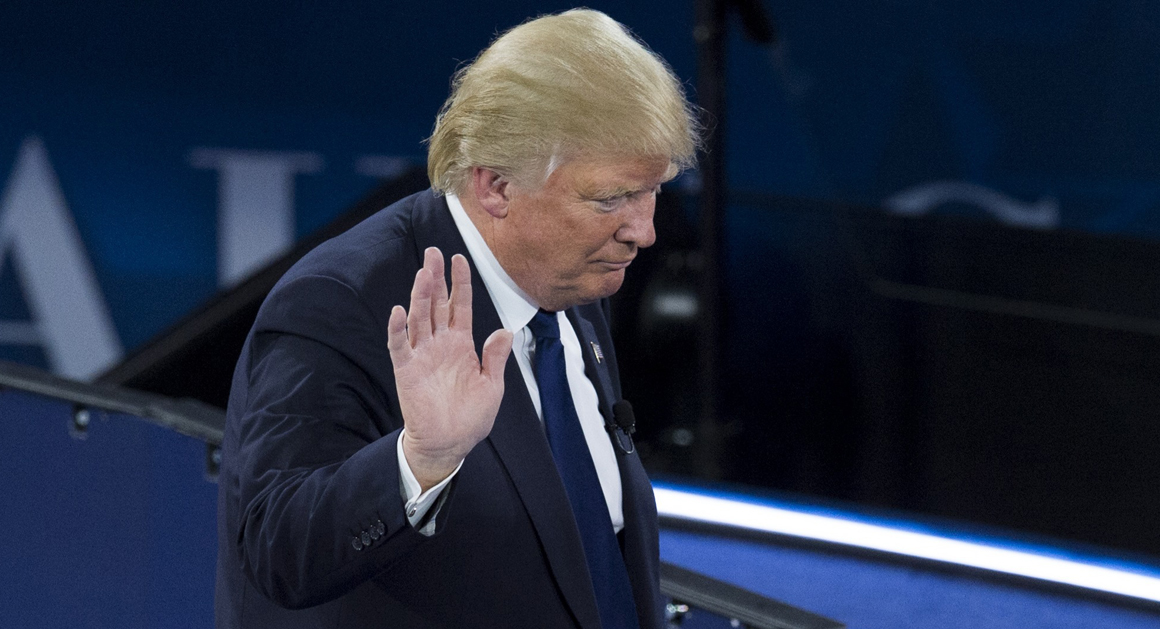
Senate vote signals rising political risk as U.S.-Iran tensions hit markets
MARKET INSIDER – The battle over war powers in Washington is rapidly evolving into a high-stakes political and economic flashpoint, with potential ripple effects far beyond U.S. borders. As tensions between the United States and Iran continue to rattle global energy markets, U.S. lawmakers are now confronting a deeper question: who truly controls the decision to go to war—and at what cost to the global economy?
The U.S. Senate is expected to vote as early as Wednesday on a new Democratic-led effort to limit President Donald Trump’s authority to initiate military action, according to Reuters. The move comes 45 days into a conflict that has already triggered volatility across oil prices, supply chains, and investor sentiment worldwide.
Speaking on the Senate floor, Chuck Schumer accused Republican lawmakers of sidelining Congress and avoiding accountability. He revealed that Democrats have introduced at least ten war powers resolutions and plan to push for weekly votes as long as hostilities with Iran persist. The strategy underscores a broader attempt to reassert congressional oversight at a time when geopolitical risk is increasingly influencing financial markets.
However, the political reality remains challenging. Republicans, who hold narrow majorities in both chambers of Congress, have blocked every such resolution so far, showing little indication of shifting their stance. This legislative gridlock adds another layer of uncertainty for global investors already navigating a fragile macroeconomic environment shaped by inflation, interest rates, and geopolitical instability.
Meanwhile, Donald Trump signaled a possible diplomatic opening, suggesting that negotiations with Iran could resume in Pakistan within days. Markets are watching closely, as any breakthrough—or further escalation—could significantly impact oil flows through critical chokepoints like the Strait of Hormuz, a corridor responsible for roughly 20% of global oil supply.
At home, Democrats are increasingly tying the conflict to rising living costs, arguing that higher fuel and fertilizer prices are exacerbating inflation pressures already weighing on American households. This economic narrative is beginning to resonate politically, with some Republicans reportedly concerned about their electoral prospects ahead of the November elections as voters grow more sensitive to cost-of-living pressures.
The deeper question now confronting markets is not just whether the U.S. can de-escalate tensions with Iran, but whether domestic political divisions will prolong uncertainty. For global investors, the intersection of war powers, energy prices, and election-year politics could define the next phase of market volatility—and create both risks and asymmetric opportunities in commodities, defense stocks, and emerging markets.
