
Middle East conflict with Iran could turn Kyiv into a $10B defense exporter
MARKET INSIDER – The battlefield lessons of Ukraine’s war are rapidly becoming a global commodity—and the escalating drone threat from Iran may be the catalyst that transforms Kyiv into one of the world’s most sought-after defense exporters. As cheap, mass-produced drones redefine modern warfare, countries from the Gulf to Europe are scrambling for solutions—and Ukraine believes it holds the playbook.
At the center of this emerging shift is President Volodymyr Zelenskiy, who has been actively engaging Gulf states following waves of Iranian drone attacks. His message is clear: Ukraine is not just selling hardware—it is exporting a full-stack defense system built under real combat pressure, combining strategy, software, and battlefield-tested execution.
Ukraine has already signed cooperation frameworks with Saudi Arabia and Qatar, with discussions ongoing with the United Arab Emirates. These deals reflect a broader geopolitical reality: the proliferation of low-cost attack drones—particularly Iran’s Shahed models—has exposed critical vulnerabilities in national defense systems, forcing governments to rethink air security at scale.
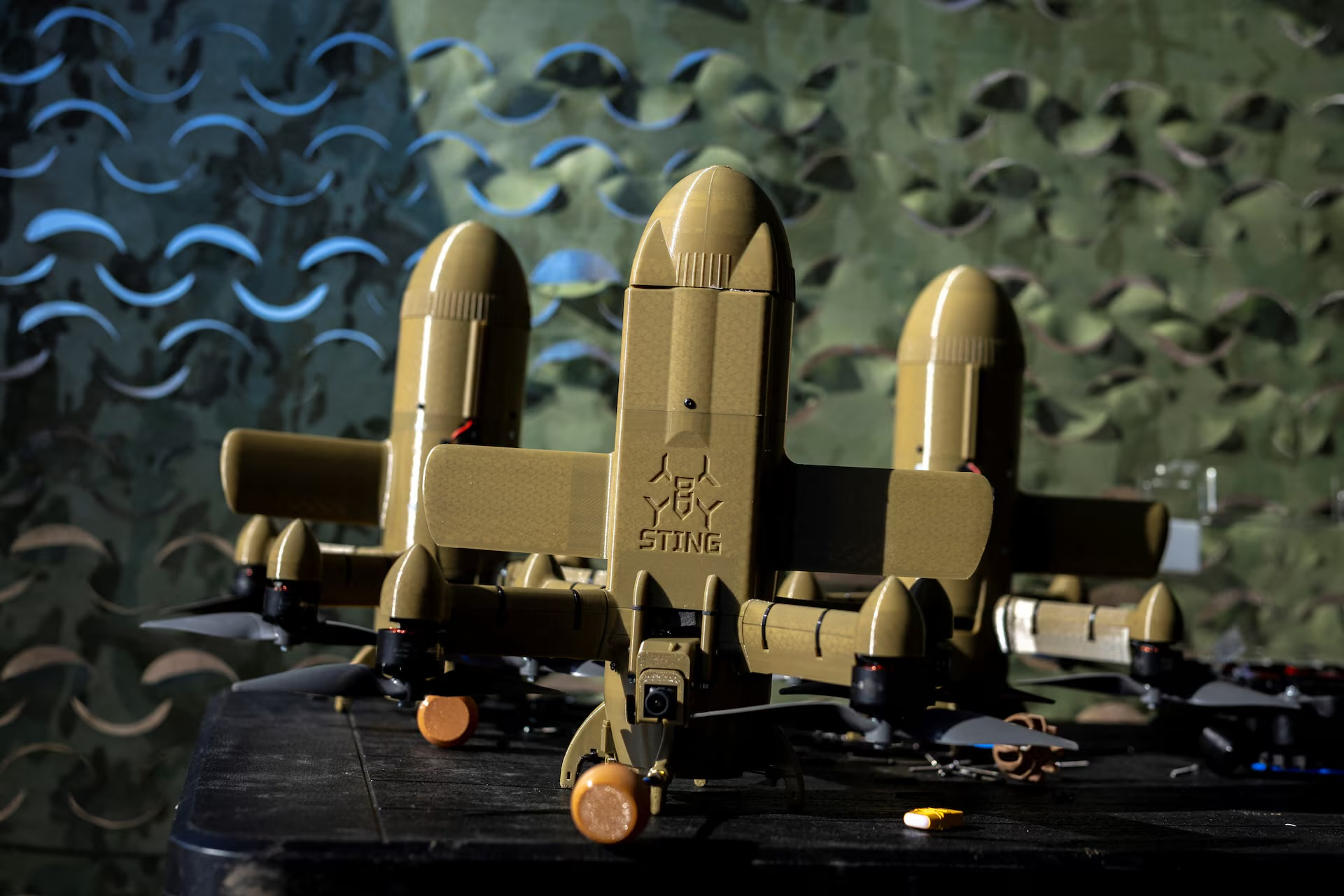
What makes Ukraine’s offering compelling is not just its technology, but the speed and adaptability forged in war. Facing relentless drone assaults from Russia, Ukraine has built an ecosystem capable of producing tens of thousands of interceptor drones monthly. These systems, costing only a few thousand dollars each, are designed to neutralize incoming threats before impact—creating a cost-effective counter to asymmetric warfare.
Private-sector players such as UForce are already seeing surging international demand. Its Magura sea drone—originally deployed against Russian naval forces—has evolved into a hybrid platform capable of launching interceptor drones, offering coastal nations a new layer of defense. The concept is particularly attractive for Gulf states, where maritime and aerial threats increasingly intersect.
Yet Ukraine’s ambitions face a familiar bottleneck: governance and speed. Export approvals remain tightly controlled by Kyiv, and industry leaders warn that delays could cost the country a once-in-a-generation opportunity. With global demand accelerating, competitors could quickly fill the gap if Ukraine fails to move decisively.
The stakes are enormous. Industry estimates suggest Ukraine could export up to $2 billion in weapons this year, with a potential surge to $10 billion annually within five years—positioning it as a major player in the global defense market. For a country seeking post-war reconstruction and economic resilience, drone exports could become a cornerstone industry.
But the deeper shift is strategic. Ukraine is no longer just a recipient of military aid—it is evolving into a defense innovator shaping how wars are fought and prevented. As nations confront a future where drones dominate the battlefield, Kyiv’s hard-earned expertise may become one of the most valuable exports of the decade.
The question now is timing. In a world where security threats move faster than policy, Ukraine’s ability to scale, regulate, and export its capabilities could determine whether it leads the next era of warfare—or watches others capitalize on the model it created.
