
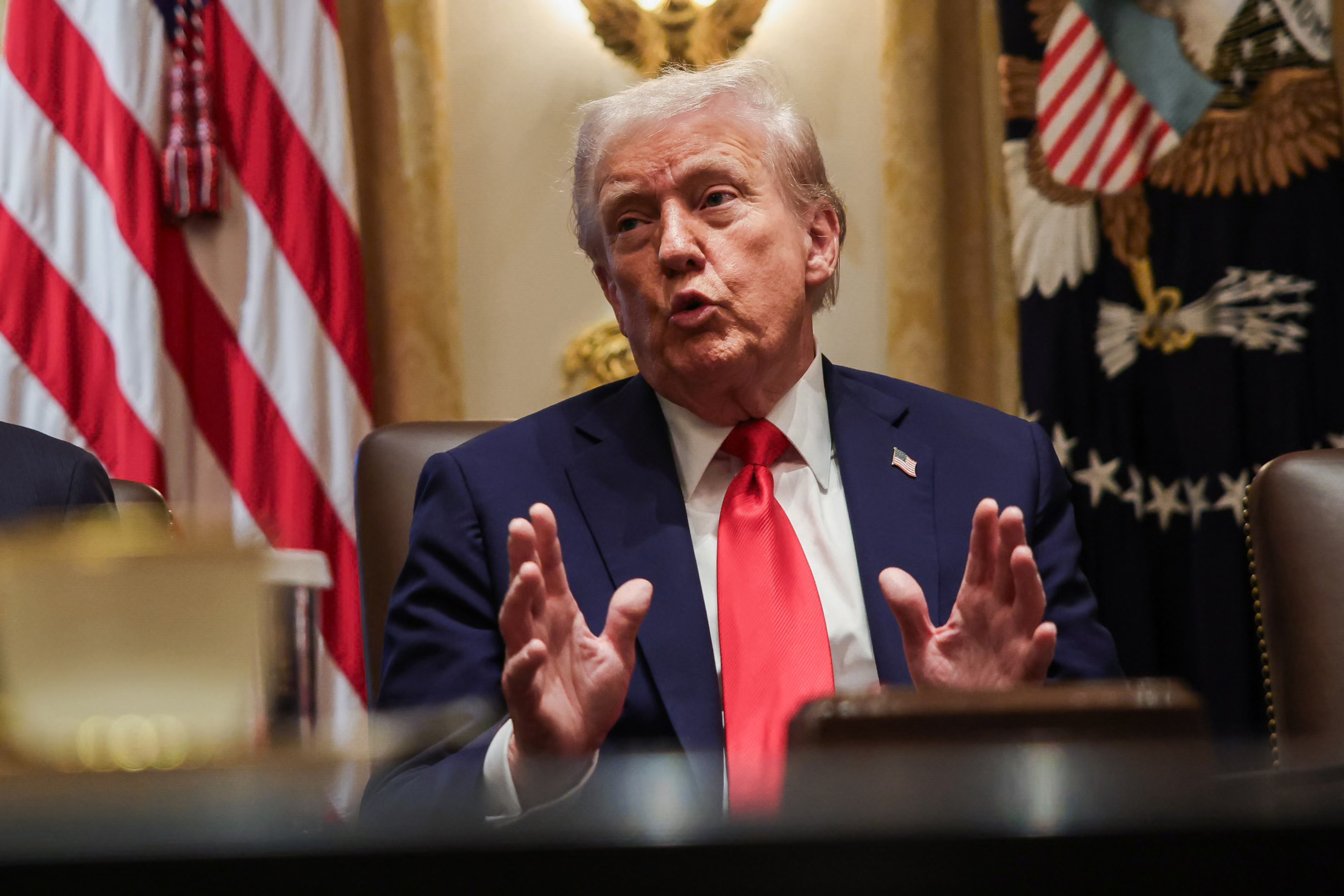
MARKET INSIDER – The Norwegian Nobel Committee’s decision to award the 2025 Nobel Peace Prize to Venezuelan opposition leader Maria Corina Machado, rather than widely-discussed candidate U.S President Donald Trump, has generated significant discussion. While Trump and his supporters expressed confidence in his candidacy, experts suggest a confluence of factors—including the prize criteria, the nomination timeline, and a desire to avoid controversy—led to the Committee’s choice.
The prestigious award, established by Alfred Nobel to honor those who have worked for “fraternity between nations, for the abolition or reduction of standing armies and for the holding and promotion of peace congresses,” was granted to Machado for her “untiring efforts to promote democratic rights for the people of Venezuela and her struggle for a just and peaceful transition to democracy.”
The Committee’s Stance and Alfred Nobel’s Will
When pressed about the omission of Trump, Jorgen Watne Frydnes, Chairman of the Norwegian Nobel Committee, emphasized that decisions are made strictly based on “the career and will of Alfred Nobel.” He avoided directly addressing Trump, stating the committee receives “thousands of letters each year from people wanting to talk about the things that lead to peace.”
The criteria laid out in Nobel’s will are paramount. Nina Graeger, Director of the Peace Research Institute Oslo, noted that applying these criteria to Trump’s record is “a complicated issue,” and the Committee is “an independent body, bound by Alfred Nobel’s will.”
Unstable Achievements and the Nomination Deadline
One key factor cited by analysts is the sustainability and timing of the purported peace efforts. The deadline for nominations this year was January 31, 2025, just 11 days after Trump’s inauguration. This meant many of his later peace initiatives and support technically fell outside the main scope of consideration for the 2025 prize.
Furthermore, Trump’s high-profile push for a Phase One peace deal between Hamas and Israel, while lauded by supporters, was finalized late in the process. Historian Theo Zenou of the Henry Jackson Society told the Independent, “They will not change their mind at the last minute for a deal that is still in negotiation.” The fragility of the ceasefire and the fact that hostages had not yet been released may have led the committee to view the achievement as not sufficiently “sustainable.”
Trump had repeatedly claimed credit for “stopping 7-8 conflicts” and argued that not receiving the award would be a “great insult” to the US. However, skepticism arose regarding the full extent of his role in several of these conflicts, and the stability of the agreements remains questionable.
Avoiding Political Controversy
Perhaps the most significant underlying issue was the potential for the award to be perceived as politically driven.
The Committee has faced criticism for past decisions, most notably awarding the 2009 prize to Barack Obama just eight months into his presidency. Experts believe the Committee sought to avoid a repeat of that scrutiny. Professor Darren Kew of the Joan B. Kroc School of Peace Studies at the University of San Diego pointed out that Trump’s domestic and international controversies, such as deploying the National Guard to suppress protests and criticizing international organizations, also complicate his record.
Professor Matthew Mokhefi-Ashton of Nottingham Trent University assessed the selection of Machado as a “smart move.” The choice of a high-profile critic of the Venezuelan government—a government frequently criticized by Trump and the Republican Party—makes it difficult for the former US President’s allies to broadly criticize the decision, effectively satisfying both sides of the political aisle.
Looking Ahead to 2026
Despite the current outcome, Trump’s supporters remain undeterred. Republican Representative Buddy Carter stated that he would draft a resolution affirming Trump’s worthiness and predicted a brighter future for the 2026 prize.
“He would be a strong candidate next year,” Carter said. “He should have won this year, but unfortunately, the committee got it wrong… Next year, they will have a chance to make up for that.”
