
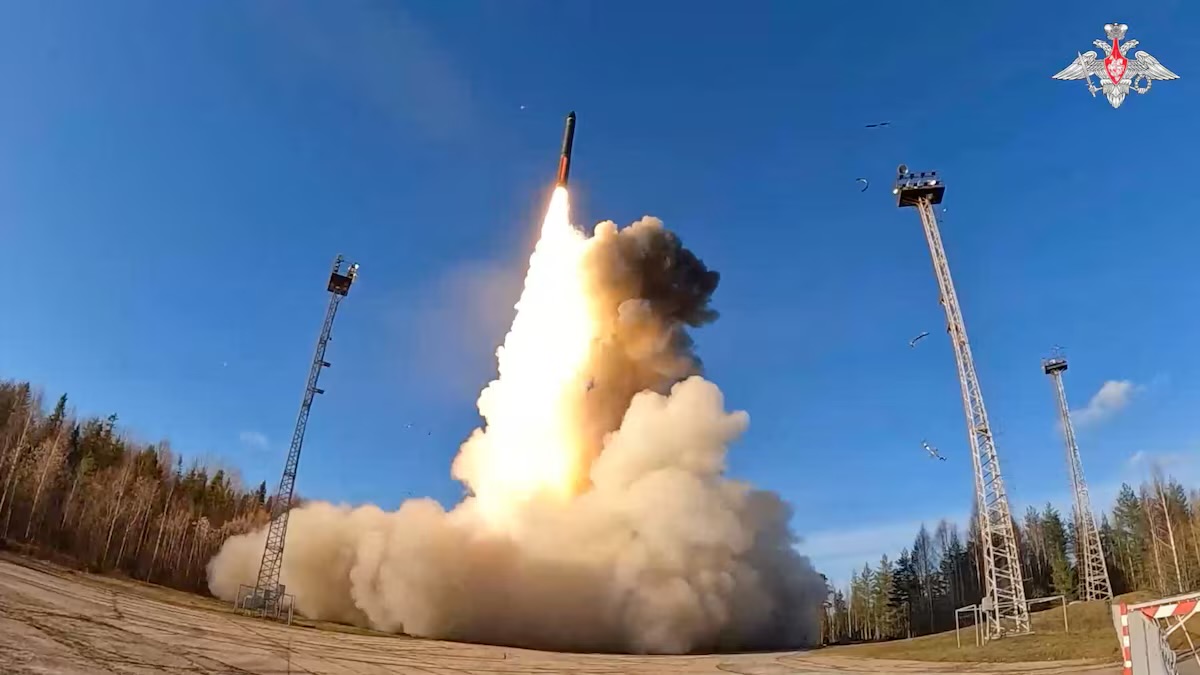
KYIV, October 23, 2025 — Tensions in the Ukraine–Russia conflict have escalated significantly, with Moscow launching a substantial aerial bombardment against Ukraine overnight following a reported strike by Kyiv on a Russian chemical-plant target.
Attack and Counter-Strike
According to Ukrainian military sources, Russian forces launched 433 aerial targets during the overnight period of October 21–22. These comprised 405 unmanned aerial vehicles (UAVs) and 28 missiles. Ukrainian authorities say the missile types included an array of advanced systems — 11 Iskander-M/KN-23 ballistic missiles, 9 Iskander-K cruise missiles, 4 Kh-47M2 Kinzhal hypersonic ballistic missiles and 4 Kh-59/69 air-to-surface guided missiles. The UAVs reportedly comprised 405 Shahed (Geran) and other attack drones, launched from multiple directions.
The primary target was Kyiv, but attacks also struck the Dnipropetrovsk, Zaporizhia, Cherkasy, Chernihiv and Odesa regions.
At the same time, Ukraine says it conducted a strike inside Russia’s Bryansk region — targeting a chemical plant that produces gunpowder, explosives and rocket-fuel components — using Western-supplied Storm Shadow cruise missiles.
Ukrainian Defence Response and Effects
Ukraine’s Air Defence Forces, supported by air-force units, anti-aircraft missile units, electronic warfare systems, mobile fire teams and UAV systems, claim to have intercepted or neutralised 349 of the incoming aerial targets: 333 UAVs, 8 Iskander-K cruise missiles, 6 Iskander-M/KN-23 ballistic missiles, 2 Kh-59/69 guided missiles.
Despite these defensive measures, 12 missiles and 55 UAVs managed to strike 26 locations. The damage included several energy-infrastructure facilities, leading to widespread outages of power, heating and water across multiple regions. Reported fatalities number at least six.
Kyiv’s Urgent Appeal for International Support
In response, Ukraine’s Foreign Minister called on the international community for urgent assistance. He emphasised that the assault comes just ahead of winter, when vulnerabilities in Ukraine’s energy- and utility infrastructure become particularly acute.
Key requests to partners include: Mobile power-generation systems and repair equipment. Additional air-defence capabilities. Budgetary support for energy-sector resilience. Stricter sanctions, unlocking of frozen Russian assets and enhanced long-range strike capabilities for Ukraine
Market Implications for International Investors
For investors monitoring the region, the following points merit attention:
- Geopolitical Risk: Wholesale escalations — particularly involving advanced missile systems and strikes on civilian infrastructure — heighten the risk premium across Ukrainian and regional assets.
- Energy Infrastructure Vulnerability: The targeting of power, heating and water systems signals increased risk to Ukraine’s economic stability, potentially affecting reconstruction spending, debt-service capacity and sovereign risk ratings.
- Aid-and-Sanctions Dynamics: Ukraine’s intensified appeal for Western-supplied defence and energy assets underscores continued dependency on international support. Should delivery falter, the human-economic cost could rise, with implications for credit profiles of Ukrainian-linked assets.
- Strategic Shift in Conflict: Ukraine’s reported use of Storm Shadow missiles inside Russian territory suggests an evolution from purely defensive operations to deeper-strike capabilities — raising questions about how Moscow might respond and what that means for regional defence spending and geopolitical alliances.
Outlook:
Investors should remain alert to developments in three areas: 1) delivery and readiness of Western long-range missiles to Ukraine; 2) subscriptions to new sanctions or asset-freeze frameworks; and 3) the operational status of Ukraine’s energy and utility infrastructure ahead of winter. Any of these could serve as a pivot point for further escalation — or, conversely, a pathway toward renewed diplomacy.
