
Despite global headwinds, strong policy execution and reform momentum position Vietnam for sustained growth into 2026
Vietnam is consolidating its position as one of the world’s fastest-growing economies, with full-year growth in 2025 expected to exceed 8%, placing the country among the top global performers despite an increasingly complex international environment.
Speaking at the “Vietnam Economy 2025, Outlook 2026” forum, Nguyen Thanh Nghi, Head of the Central Policy and Strategy Commission, acknowledged that 2025 presented more challenges than advantages. Ongoing geopolitical conflicts, rising trade protectionism, climate change, environmental pressures and limited adaptability among domestic firms within global value chains have all weighed on economic activity. Even so, he emphasized that decisive leadership, coordinated policy execution and institutional support have enabled Vietnam to deliver broad-based socio-economic progress.
Economic expansion has been underpinned by resilient domestic demand, strong exports and continued reform momentum. International institutions have reinforced this optimism. HSBC recently raised its 2025 growth forecast for Vietnam to 7.9%, with growth expected at 6.7% in 2026, while United Overseas Bank upgraded its 2025 projection to 7.7%, citing solid macro fundamentals and policy credibility.
Looking ahead, Vietnam’s ambitions are even more pronounced. In November, the National Assembly approved the 2026 socio-economic development resolution, setting a growth target of at least 10% and aiming for GDP per capita of USD 5,400–5,500, up from an estimated USD 5,000 in 2025. Inflation is expected to be kept under control at around 4.5%, signaling a continued commitment to macroeconomic stability.
The resolution places strong emphasis on balancing growth with stability, calling for flexible and targeted fiscal and monetary policies while safeguarding major economic balances. Authorities have also been tasked with strengthening oversight of key markets, including gold, real estate and equities, and tightening tax collection, particularly in fast-growing sectors such as e-commerce, food services and retail.
Public investment remains a central pillar of the growth strategy. The government has been instructed to remove bottlenecks and accelerate disbursement from the very start of 2026, especially for national priority projects. Major infrastructure initiatives include the Lao Cai–Hanoi–Hai Phong railway, urban rail systems in Hanoi and Ho Chi Minh City, phase two of Long Thanh International Airport, and new international transshipment ports at Can Gio and Hon Khoai.
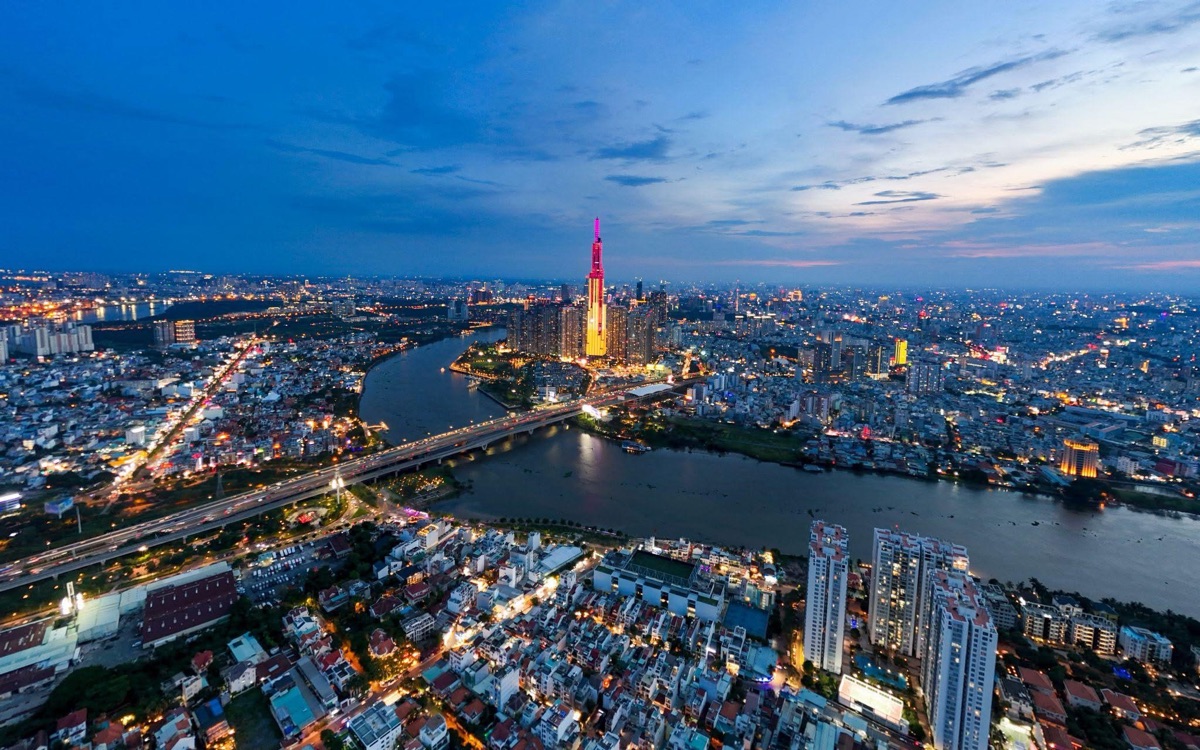
At the same time, Vietnam is moving to strengthen its regional and global financial role. Plans to operationalize international financial centers in Ho Chi Minh City and Da Nang, alongside next-generation free trade zones in selected localities, are expected to deepen capital flows and enhance competitiveness.
Taken together, these developments underline Vietnam’s transition from a high-growth frontier market to a more resilient, reform-driven economy. While external risks remain, the country’s policy direction and investment priorities suggest that its growth story is far from peaking, with 2026 shaping up as a pivotal year in Vietnam’s next development cycle.
