
Lindsey site won’t restart—but its infrastructure will strengthen Britain’s fuel supply
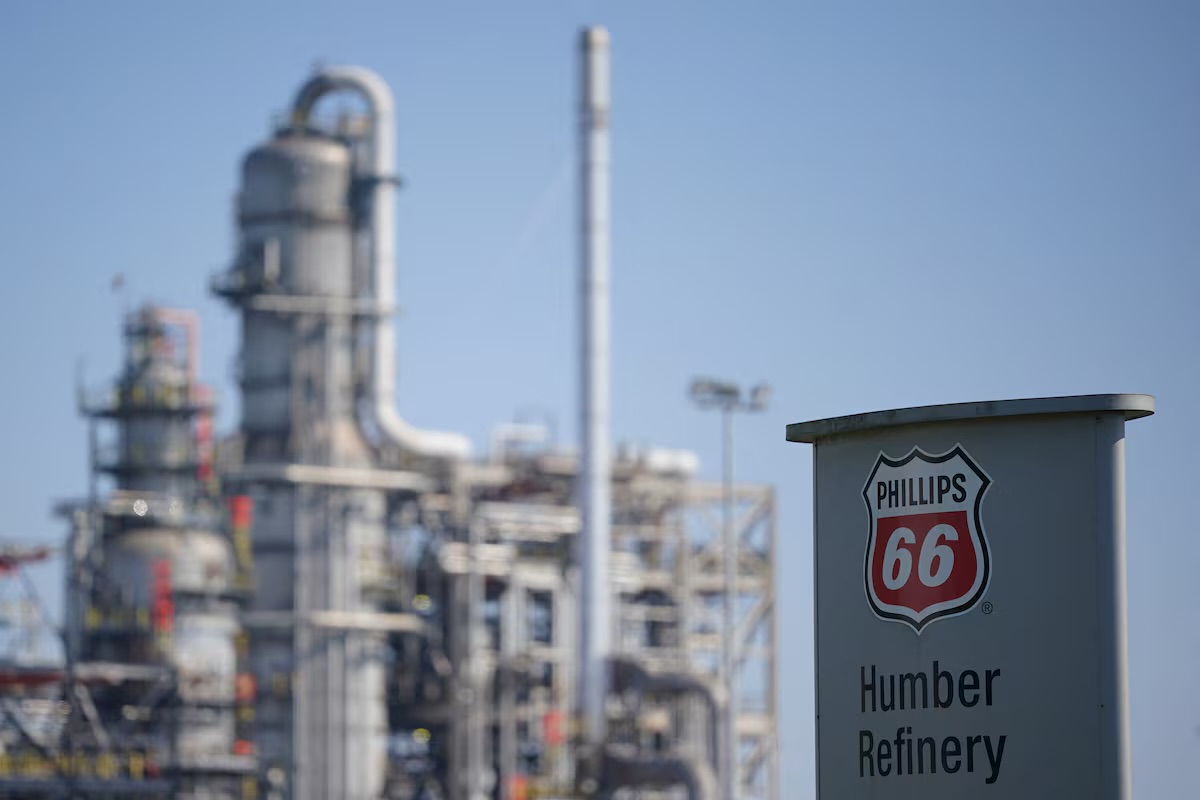
MARKET INSIDER- Phillips 66 is expanding its footprint in the UK energy system, snapping up strategic refinery assets at a moment when Europe is rethinking fuel security and industrial resilience. The US refiner said it will acquire key infrastructure from Britain’s defunct Lindsey Oil Refinery and fold it into its nearby Humber operations—turning a failed standalone plant into a backbone asset for both conventional and renewable fuels.
The deal follows the liquidation of the Lindsey Oil Refinery in northern England and will see Phillips 66 integrate storage and logistics assets into its Humber Refinery complex. After a detailed technical and commercial review, Phillips 66 concluded that Lindsey was not viable as an independent refinery given its scale and facilities, opting instead for selective integration that enhances flexibility rather than restarting full operations.
The acquisition was run through a formal bidding process overseen by FTI Consulting, appointed as special managers after the UK’s official receiver placed the site into liquidation in June. Lindsey had been slated for closure earlier this year after failing to attract a buyer, highlighting the pressures facing smaller European refineries amid rising costs, energy transition demands, and tightening margins.
From a strategic standpoint, Phillips 66 sees clear value. By absorbing Lindsey’s storage and infrastructure, the company expects to improve supply resilience for UK customers while supporting both traditional fuel distribution and renewable energy production. The move aligns with a broader industry trend: consolidating assets around fewer, more efficient hubs rather than maintaining standalone refineries with limited scale.
The UK government welcomed the transaction as a boost to domestic energy security. Energy Minister Michael Shanks said the deal would expand fuel supply capability, secure existing jobs in the near term, and create hundreds of construction roles over the next five years. Remaining staff at the Lindsey site have been guaranteed employment until at least the end of March, offering temporary stability after months of uncertainty.
For Europe’s refining sector, the message is blunt but instructive. Capacity will survive—but only where assets can be integrated, modernized, and repurposed for a lower-carbon future. Phillips 66’s Lindsey move shows how global energy majors are cherry-picking infrastructure rather than entire refineries, reshaping the continent’s fuel map without adding headline capacity. In an era of volatile geopolitics and accelerating transition, energy security is increasingly about smart consolidation—not resurrection.
