
US tensions with Iran reignite fears over global energy supply and shipping security
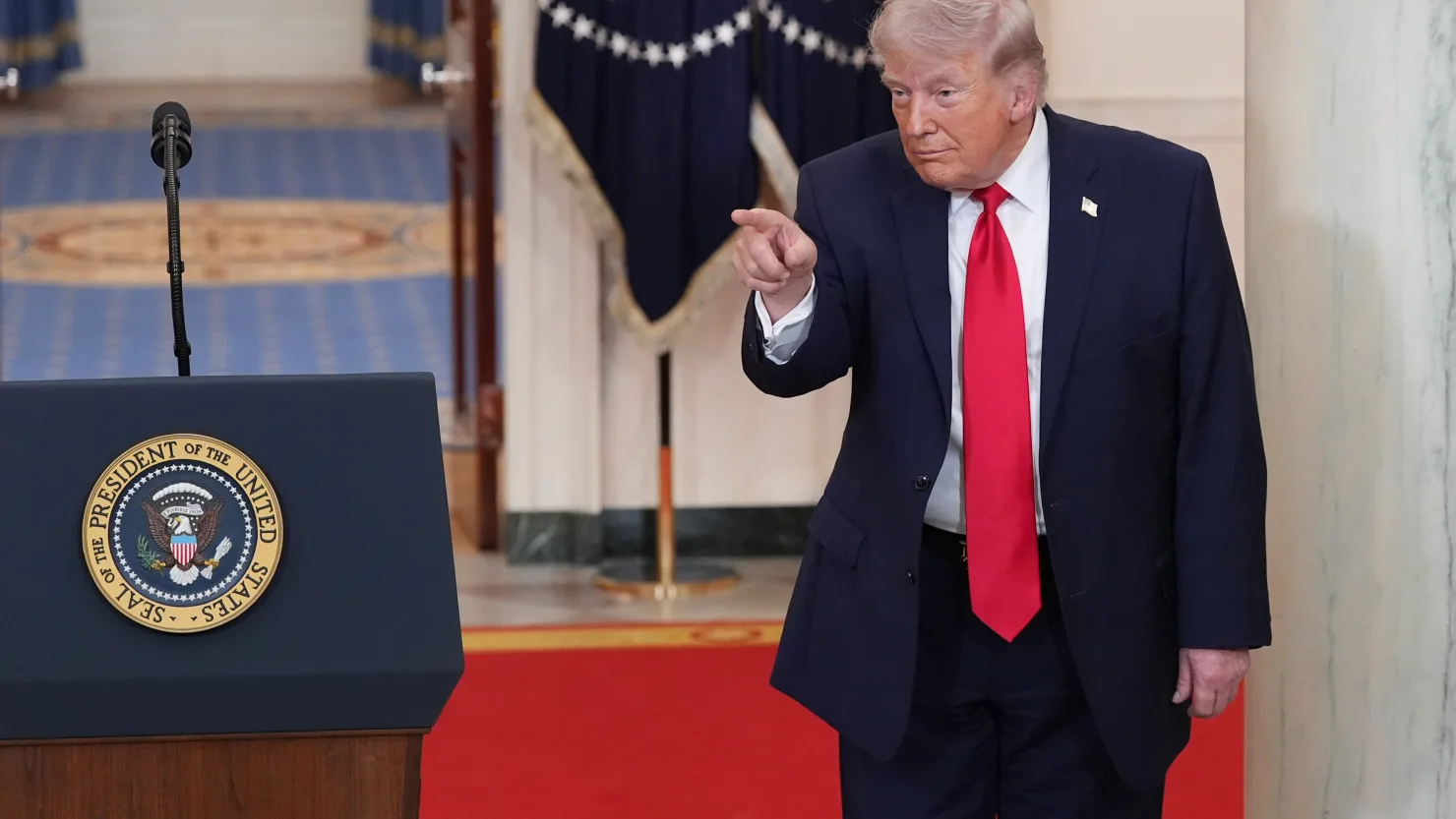
MARKET INSIDER – The world’s most critical oil chokepoint is back in the spotlight after Donald Trump publicly warned that Iran may be interfering with tanker traffic through the Strait of Hormuz—a corridor that carries roughly a fifth of global oil supply. Markets are now watching closely, as even minor disruptions in this narrow passage can trigger outsized shocks across energy prices, inflation, and geopolitical risk premiums.
In a series of posts, Trump accused Iran of potentially charging transit fees and obstructing oil flows, warning Tehran to “stop now” if such actions are confirmed. He further claimed that oil shipments would continue “with or without the help of Iran,” reinforcing a hardline stance that signals possible escalation rather than de-escalation.
The remarks come amid renewed friction between Washington and Tehran, with Trump also declaring what he described as a decisive “victory” over Iran’s nuclear ambitions—directly pushing back against criticism from The Wall Street Journal editorial board. His assertion that Iran “will never have a nuclear weapon” underscores a broader narrative of strategic containment, but also raises questions about enforcement mechanisms and the risk of unintended military or economic confrontation.
For global markets, the implications are immediate. The Strait of Hormuz is not just a regional flashpoint—it is a systemic artery for energy trade linking Middle Eastern producers to Asia, Europe, and beyond. Any perception of restricted access, whether through fees, delays, or military signaling, tends to drive oil volatility, insurance premiums for shipping, and safe-haven flows into assets like gold and the U.S. dollar.
Yet beneath the rhetoric lies a more complex reality. Iran has historically leveraged the strait as a geopolitical bargaining chip, while the U.S. and its allies have repeatedly emphasized freedom of navigation as non-negotiable. Trump’s latest statements suggest that this long-standing tension is entering a new phase—one where political messaging alone could move markets before any physical disruption occurs.
If oil continues to flow uninterrupted, markets may treat this as another episode of geopolitical noise. But if even partial friction materializes, the Strait of Hormuz could once again become the single most important variable shaping global inflation, central bank policy, and investor sentiment. The real question now is not whether tensions exist—but whether they translate into action before markets have time to price them in.
