
Tiny Caracas exchange rallies despite US intervention, signaling a high-risk political trade
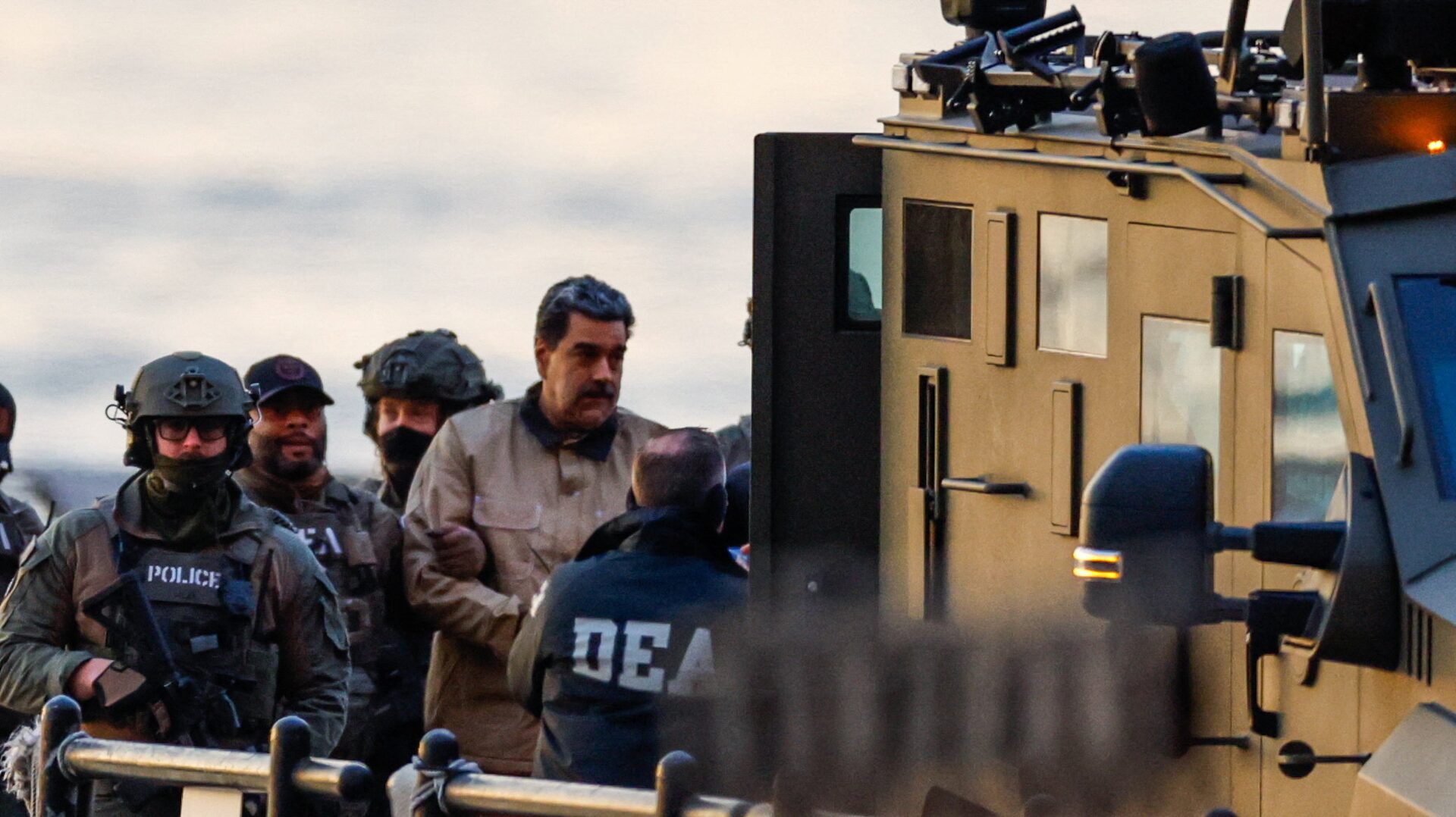
MARKET INSIDER – Venezuela’s stock market is sending a startling signal to global investors: regime shock does not always mean market collapse. On January 5, just days after a US military operation and the arrest of President Nicolás Maduro, Venezuelan equities surged more than 16%—one of the strongest single-day gains in years—highlighting how political rupture can ignite speculative optimism rather than fear.
The benchmark IBC Index jumped 16.45% to 2,597.7 points, extending a blistering rally that has lifted the index 74.6% in the past month and an eye-watering 1,952% year on year. The move comes even as Venezuela remains under intense international scrutiny and economic dislocation—underscoring that markets are increasingly trading the future regime, not the present chaos.
The IBC tracks the most liquid stocks on the Bolsa de Valores de Caracas, South America’s smallest exchange. Founded in 1947, the bourse has roughly 15 listed companies and averaged less than $1 million in daily trading value last year—making the rally less a sign of broad economic recovery and more a classic liquidity-thin repricing driven by marginal flows and sentiment shifts.
The optimism is not confined to equities. Venezuelan sovereign bonds and notes issued by state oil giant PDVSA have also surged, with prices more than doubling in recent months to roughly 23–33 cents on the dollar. These instruments had long been sidelined by sanctions and default risk, but sentiment began to turn after the US lifted restrictions on secondary trading in 2023 and JPMorgan Chase moved to include Venezuelan bonds in key emerging-market indices.
The backdrop remains precarious. Venezuela is burdened by an estimated $154 billion in distressed debt, and its financial system is still largely disconnected from global capital markets. Yet investors appear willing to front-run a political reset. On January 3, US President Donald Trump said Washington would oversee developments in Venezuela until a leadership transition is complete—remarks that markets interpreted as a signal of potential normalization, not prolonged isolation.
In a world where global equities are hitting record highs at the start of 2026, Venezuela’s rally stands out as the most extreme expression of a familiar trade: buy the chaos, sell the certainty. Whether this surge proves to be the foundation of a genuine recovery—or merely a speculative spike in one of the world’s thinnest markets—will depend not on earnings or balance sheets, but on how power is reshaped in Caracas. For now, Venezuelan assets are reminding investors that in frontier markets, politics is the ultimate catalyst.
