
India’s biggest airline is caught between a weakening rupee, rising costs, and regulatory shocks—raising red flags for global investors.
MARKET INSIDER – India’s aviation growth story hit turbulence this week after IndiGo, the country’s largest airline by market share, reported a stunning 78% collapse in quarterly profit. The earnings shock, driven by foreign-exchange losses, labor reform charges, and operational disruptions, sent IndiGo’s shares down more than 3%, underscoring how currency volatility and policy shifts can quickly derail even dominant emerging-market leaders.
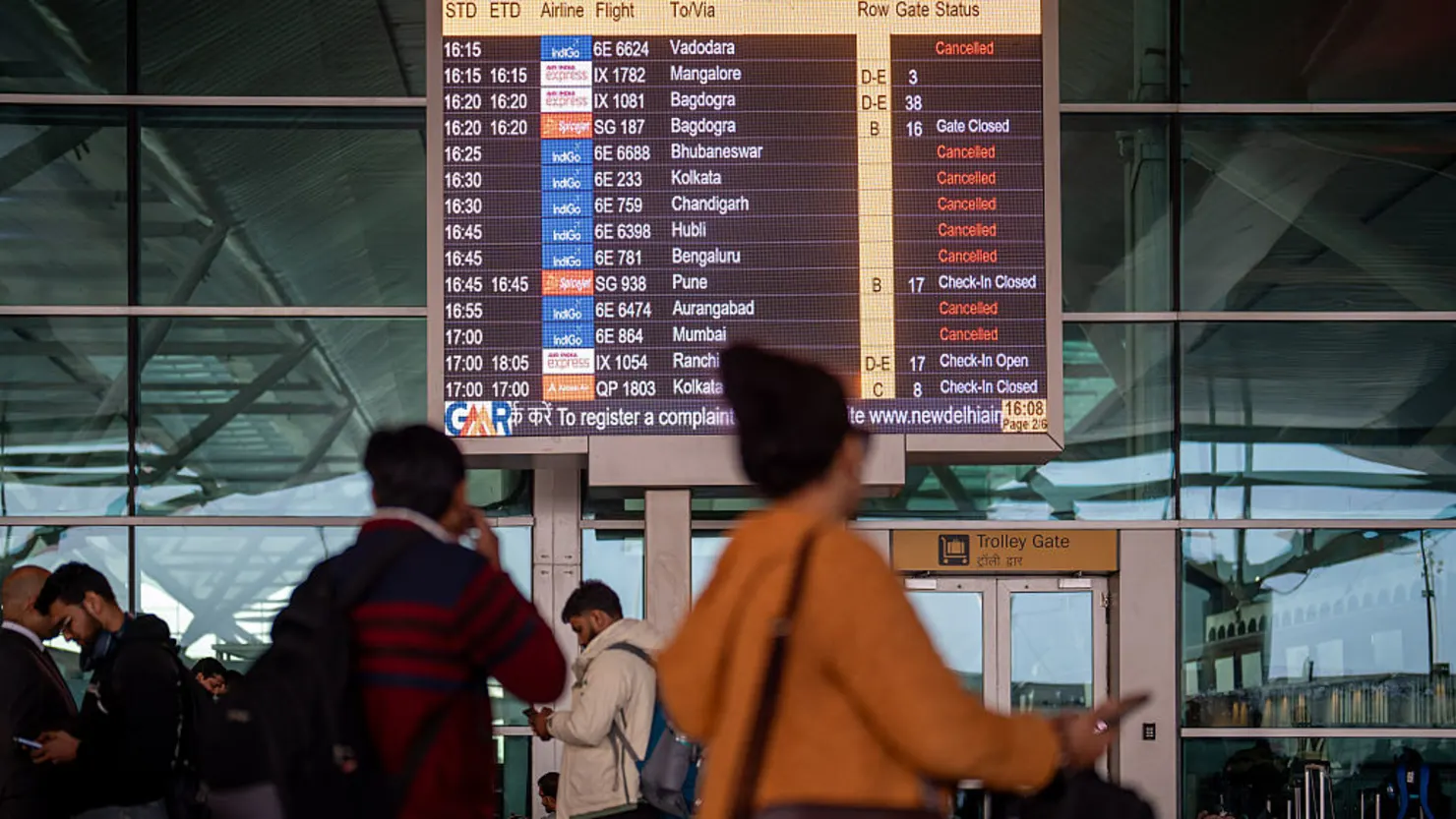
The December-quarter results revealed a business squeezed from all sides. IndiGo booked provisions of roughly ₹20 billion ($215 million), including compensation linked to mass flight cancellations in early December, one-time costs from India’s newly implemented labor codes, and losses tied to the sharply weaker rupee. The airline had already cancelled more than 2,500 flights in a matter of days, triggering nationwide disruption and drawing scrutiny from regulators and investors alike.
Currency pressure has become a central risk. The Indian rupee was Asia’s worst-performing major currency last year, sliding about 5% amid capital outflows and stalled progress on a U.S.–India trade deal. With the rupee hovering near 91.5 per dollar and forecasts pointing toward 92 by the end of March, airlines like IndiGo are particularly exposed: most ticket revenue is earned in rupees, while aircraft leases, fuel, and maintenance are largely dollar-denominated. For global investors, this mismatch is a textbook reminder of how FX risk can erode operating leverage in high-growth markets.
Looking ahead, capacity growth may not translate into stronger earnings. Jefferies expects the March quarter to be weaker despite a 10% increase in available seat kilometers, citing moderating passenger yields and rising unit costs as IndiGo continues to add aircraft. While the brokerage maintained a buy rating with a target price of ₹6,140, its cautious tone reflects a broader concern: growth alone cannot offset macro and regulatory headwinds.
Regulatory changes have compounded the strain. India’s labor reforms—consolidating 29 laws into four codes and expanding benefits to contract workers—forced IndiGo to recognize a one-time charge of ₹9.7 billion, a hit also felt by major corporates across sectors. At the same time, stricter flight duty time limitation rules disrupted crew scheduling, prompting mass cancellations and a ₹222 million penalty from the Directorate General of Civil Aviation. CEO Pieter Elbers called early December the most challenging period in the airline’s history, though management says compliance with the new norms should stabilize operations by February.
The strategic response is already shifting. IndiGo served 124 million passengers in 2025, up 9% year on year, but management and industry analysts argue that future growth must tilt toward international routes to boost dollar revenues and hedge currency risk. The next 6–12 months, however, remain a stress test—not just for IndiGo, but for India’s aviation sector as a whole.
The bigger global takeaway is clear: emerging-market champions are no longer judged solely on growth metrics. In a world of volatile currencies, tighter labor standards, and stricter safety regulation, resilience now matters as much as scale.
For investors debating IndiGo’s dip, the question is no longer whether India will keep flying—but whether its airlines can navigate a far more complex economic and regulatory airspace.
