
Trump’s tariff signals, Middle East risks, and Fed uncertainty propel bullion to record territory
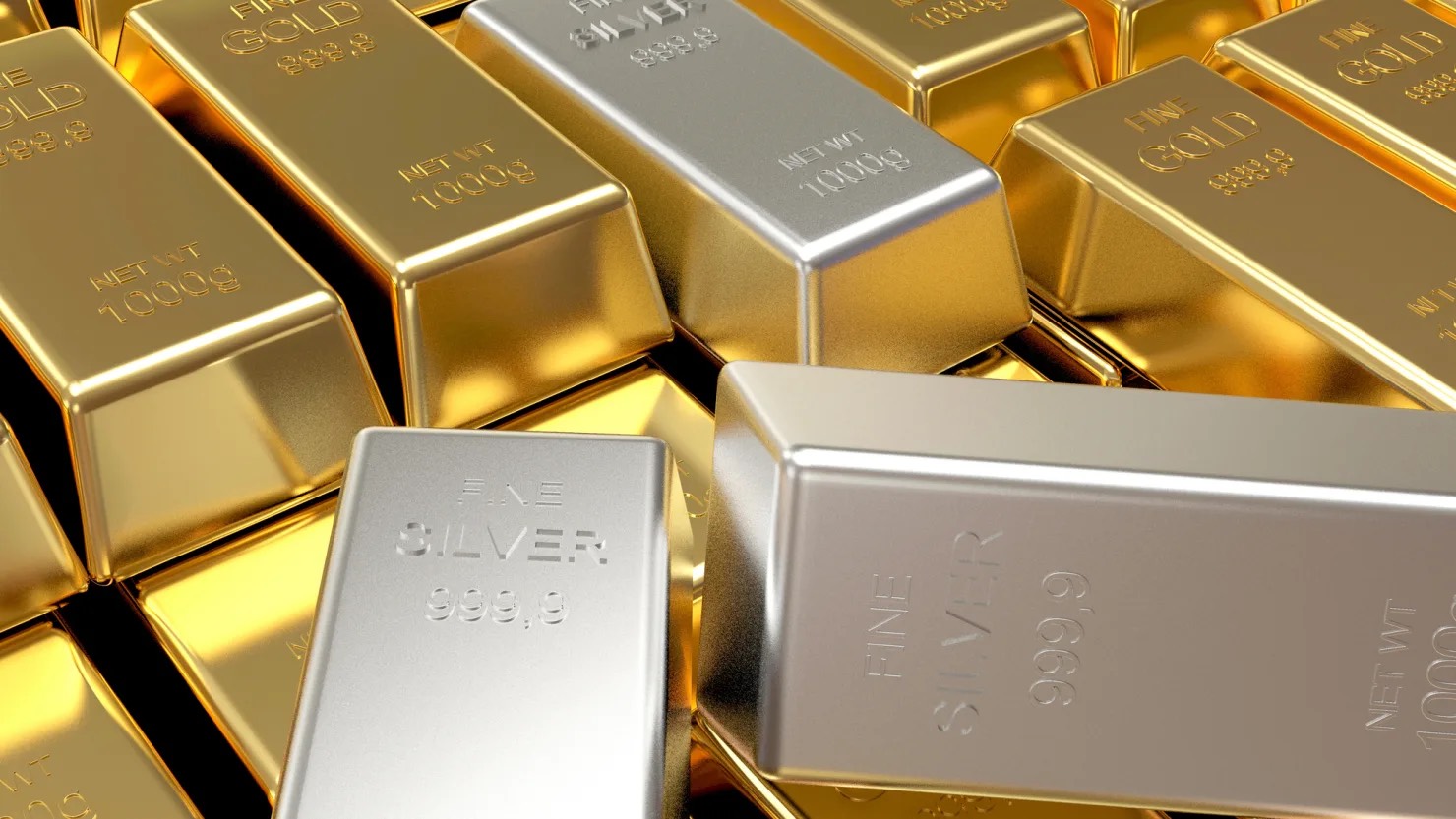
MARKET INSIDER – Gold is rapidly reasserting itself as the world’s ultimate financial shelter, surging toward the $5,100-per-ounce mark as investors confront a toxic mix of U.S. policy volatility, geopolitical tension, and uncertainty over the future direction of monetary leadership in Washington. The rally underscores a broader recalibration underway in global markets, where political risk—not inflation alone—is driving asset allocation.
On Tuesday, spot gold climbed 1.6% to around $5,092 an ounce, just below the all-time high of $5,110 set a day earlier. The move reflects intensifying demand for safety as markets react to renewed tariff threats from U.S. President Donald Trump and rising concerns over a potential military escalation involving Iran. According to market analysts, the repeated shifts in trade policy and foreign affairs messaging have created a level of unpredictability that continues to favor bullion over risk assets.
“The constant back-and-forth on tariffs, coupled with growing concerns around a military operation in Iran, is unlikely to curb safe-haven demand anytime soon,” said Zain Vawda of MarketPulse by OANDA. That sentiment is increasingly shared across global trading desks, particularly as gold has already risen about 18% so far in 2026, extending last year’s powerful rally. Central bank buying, expectations of U.S. rate cuts, and persistent geopolitical stress are reinforcing the metal’s momentum.
Markets are also bracing for key signals from the Federal Reserve, which begins its policy meeting this week. While rates are widely expected to remain unchanged, investor attention is shifting to longer-term questions—most notably the eventual replacement of Fed Chair Jerome Powell. Leadership uncertainty at the world’s most influential central bank adds another layer of risk that is proving supportive for gold prices.
Adding to bullish expectations, major European banks are projecting further upside. Deutsche Bank and Société Générale have both flagged the potential for gold to reach $6,000 per ounce in 2026, citing structural demand and a fragile geopolitical backdrop. Meanwhile, Trump’s announcement that he may impose higher tariffs on auto and other imports from South Korea has reinforced fears of renewed trade fragmentation.
The rally has spilled into other precious metals, though with greater volatility. Silver has surged more than 50% this year, briefly touching record highs before easing, while platinum retreated after its own recent peak. Analysts at BMI, part of Fitch Solutions, warn that silver prices could cool as supply tightness eases and industrial demand softens amid a slowing Chinese economy.
For global investors, gold’s ascent is about more than price—it is a signal. In an era defined by abrupt policy shifts, fragile diplomacy, and institutional uncertainty, bullion is no longer just a hedge against inflation, but a referendum on trust in the global order. The critical question now is whether $5,100 is a temporary milestone—or merely a waypoint on gold’s march toward a much higher new normal.
