
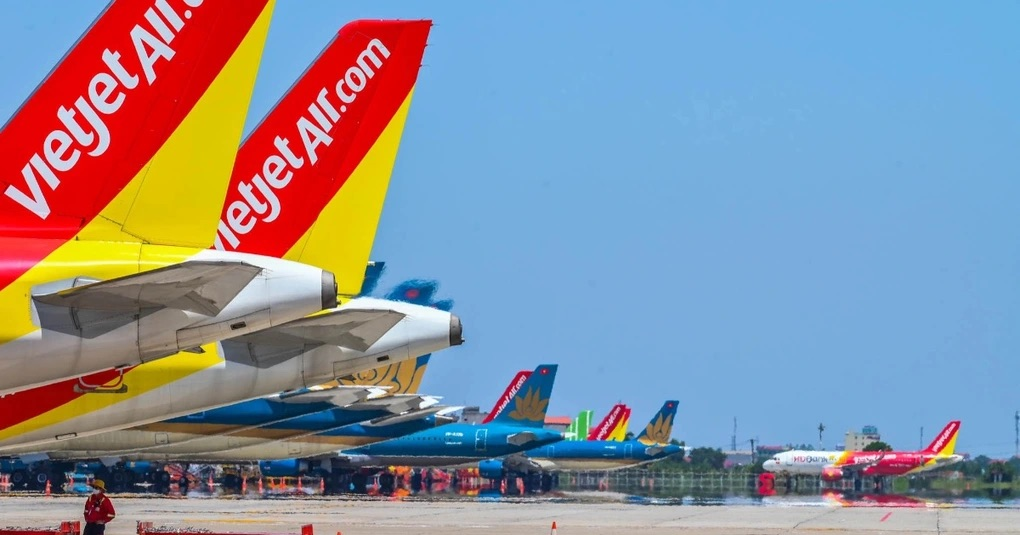
Billionaire Nguyen Thi Phuong Thao propels a low-cost carrier onto the global stage
Vietnam’s aviation story is accelerating—and the world is taking notice. Nguyen Thi Phuong Thao, founder of Vietjet Air, is set to place one of the largest aircraft orders globally, committing to 120 Airbus jets in 2025. The deal ranks Vietjet as the second-largest aircraft customer worldwide last year, trailing only one unnamed buyer by 32 planes, and firmly positions Vietnam within the global aviation power map.
Data from Visual Capitalist show that Airbus and Boeing together booked 2,175 aircraft orders in 2025, with nearly one-fifth coming from just three airlines: Qatar Airways, Vietjet, and Alaska Airlines. For a Vietnamese low-cost carrier to stand alongside such names underscores how rapidly Southeast Asia’s air travel demand—and Vietjet’s ambitions—are scaling.
Vietjet’s strategy remains sharply focused on compact, fuel-efficient aircraft, aligning with its low-cost model and high-frequency regional routes. The airline currently operates 94 aircraft and has continued to add capacity, including an announcement late in 2025 for 20 additional jets. The bulk of its fleet centers on Airbus narrow-body models such as the A320 family, prized for operating efficiency and flexibility across short- and medium-haul markets.
The timing is no coincidence. Vietnam’s tourism rebound is gaining momentum, with international arrivals projected to reach 24 million this year—well above 2025 levels. At the same time, infrastructure is catching up. Phase one of Long Thanh International Airport is scheduled to come online by year-end, adding capacity for 25 million passengers annually and easing pressure on Ho Chi Minh City’s overloaded Tan Son Nhat airport. Policymakers increasingly see Long Thanh as a catalyst for transforming Vietnam into a regional aviation hub capable of rivaling Singapore and Thailand.
Globally, the order also highlights a broader shift in aircraft demand toward Asia-Pacific growth markets and cost-efficient fleets as airlines recalibrate for post-pandemic travel patterns. For Airbus, Vietjet’s commitment reinforces the strength of narrow-body demand amid airline expansion and fleet renewal cycles worldwide.
For investors and industry watchers, the message is clear: Vietjet’s 120-aircraft order is more than a fleet upgrade—it’s a strategic bet on Vietnam’s rise as a regional aviation and tourism powerhouse. If passenger growth and infrastructure delivery stay on track, this deal could mark the moment a homegrown low-cost carrier transitions into a globally significant player in commercial aviation.
