
Energy shock from Middle East war raises stagflation fears across global markets
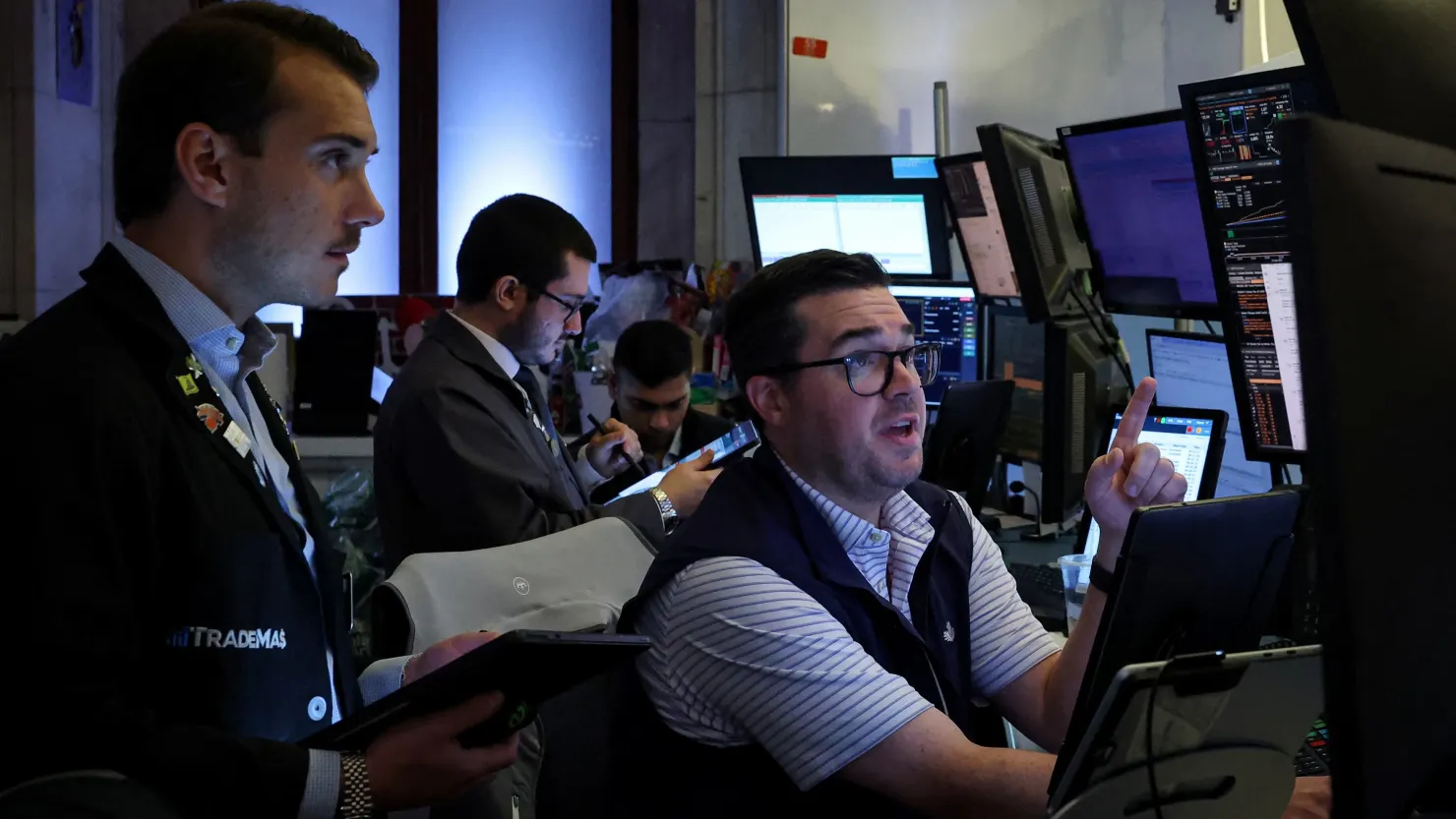
MARKET INSIDER – Wall Street is bracing for another volatile session as crude oil surged past $100 per barrel, reigniting fears that the U.S. economy could face a stagflationary shock—rising inflation paired with slowing growth. The spike in energy prices triggered a sharp selloff in equity futures, signaling that investors are increasingly worried about the economic fallout from the escalating Middle East conflict.
Futures tied to the Dow Jones Industrial Average fell more than 600 points early Monday, while the S&P 500 and Nasdaq 100 also dropped. Market anxiety intensified as the CBOE Volatility Index climbed above 30, its highest level since last year’s tariff-driven market turmoil.
Energy markets are driving the turbulence. U.S. West Texas Intermediate crude jumped roughly 13% to above $103 per barrel—its first move above the $100 threshold since the early phase of the Russia–Ukraine war in 2022—while Brent crude surged to about $105. The rally followed production cuts from major Middle Eastern producers and the continued disruption of shipments through the Strait of Hormuz, which handles a significant share of the world’s oil trade.
At one point overnight, crude briefly touched nearly $120 before easing slightly after reports that Group of Seven officials were considering releasing oil from strategic reserves to stabilize markets.
The return of $100 oil has long been seen by investors as a critical economic threshold. Higher energy costs can ripple across the economy—raising transportation expenses, increasing production costs for companies, and squeezing household budgets through higher gasoline prices.
President Donald Trump downplayed the surge, saying higher oil prices were “a very small price to pay” for eliminating Iran’s nuclear threat. However, the market reaction suggests investors remain skeptical that the conflict will resolve quickly.
Some strategists warn that a prolonged oil shock could revive conditions reminiscent of the 1970s, when the global economy faced simultaneous inflation and economic slowdown. Analysts note that such a scenario would place the Federal Reserve in a difficult position—forced to choose between fighting inflation and supporting economic growth.
Sector performance reflects those concerns. Financial and industrial stocks led declines amid fears of slowing economic activity, while defense and energy companies gained as investors rotated into sectors that typically benefit from geopolitical tension.
Despite the turbulence, some market strategists remain cautiously optimistic that the conflict could be resolved within weeks, allowing the global economy to avoid a sustained stagflationary cycle. Until then, however, energy markets—and the stability of the Middle East—may continue to dictate the direction of global financial markets.
