
Trump says conflict “nearly complete,” easing energy fears and fueling market turnaround
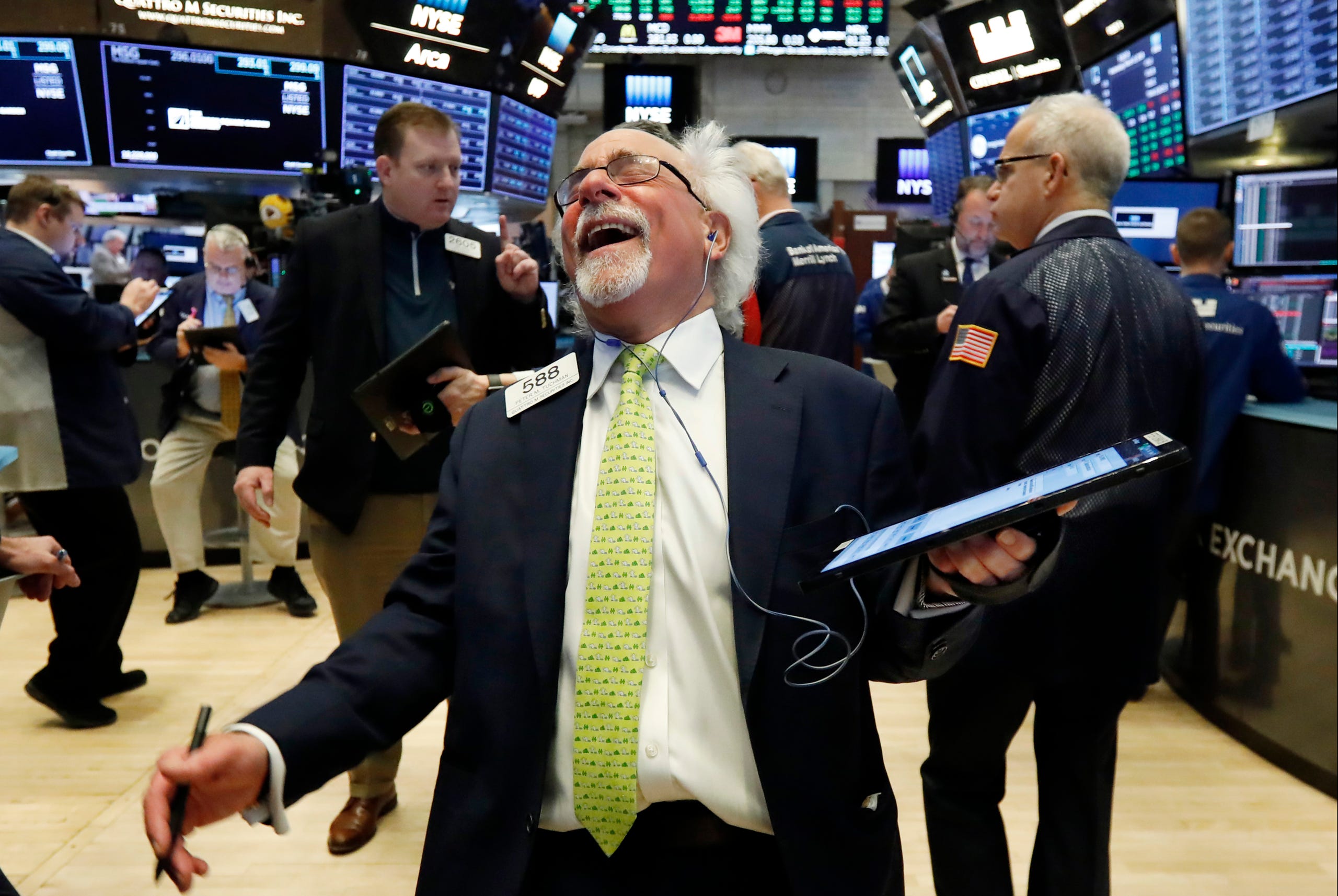
MARKET INSIDER – U.S. stocks staged a dramatic late-session rebound Monday after President Donald Trump signaled that the war with Iran may be nearing its end, calming energy markets and lifting investor sentiment after a volatile trading day.
The S&P 500 rose 0.83% to close at 6,795.99, while the Dow Jones Industrial Average gained 239 points to finish at 47,740.80. The Nasdaq Composite jumped 1.38% to 22,695.95, completing a sharp reversal from earlier losses that had pushed the Dow nearly 900 points lower during the session.
Markets stabilized after Trump told reporters the conflict was “very complete, pretty much,” suggesting the campaign was advancing faster than the four-to-five-week timeline initially outlined by the administration. He also said commercial ships were once again moving through the Strait of Hormuz, and that Washington was considering taking control of the waterway to ensure safe passage.
Oil prices reacted quickly. West Texas Intermediate crude fell to around $81 per barrel after earlier surging above $119 overnight—its highest level since the energy shock following Russia’s 2022 invasion of Ukraine. The global benchmark Brent crude also retreated to about $84 after spiking above $100 earlier in the day.
Technology stocks helped lead the market rebound. Shares of Broadcom rose more than 4%, while Micron Technology and Advanced Micro Devices climbed about 5%. Nvidia also advanced more than 2%, reinforcing the sector’s continued role as a key driver of market performance.
The earlier surge in oil prices had been fueled by major production cuts across the Middle East after tanker traffic through Hormuz slowed dramatically. Output in Iraq reportedly dropped sharply, while Kuwait also announced precautionary reductions amid security threats to shipping.
Meanwhile, policymakers are preparing contingency measures. Energy ministers from the Group of Seven are scheduled to meet to discuss a possible coordinated release of strategic oil reserves if supply disruptions persist.
For investors, the key takeaway is that oil prices—not just earnings—are increasingly driving market sentiment. Many strategists view $100 per barrel as a critical threshold that could threaten economic growth if sustained.
But if energy markets stabilize and the conflict de-escalates, analysts believe crude could retreat toward a more balanced range of $65–$75 per barrel. That scenario would remove a major inflation risk and help restore confidence in the global growth outlook—turning what briefly looked like an energy crisis into a short-lived geopolitical shock.
