
Energy volatility returns to markets despite record emergency oil release by global energy watchdog
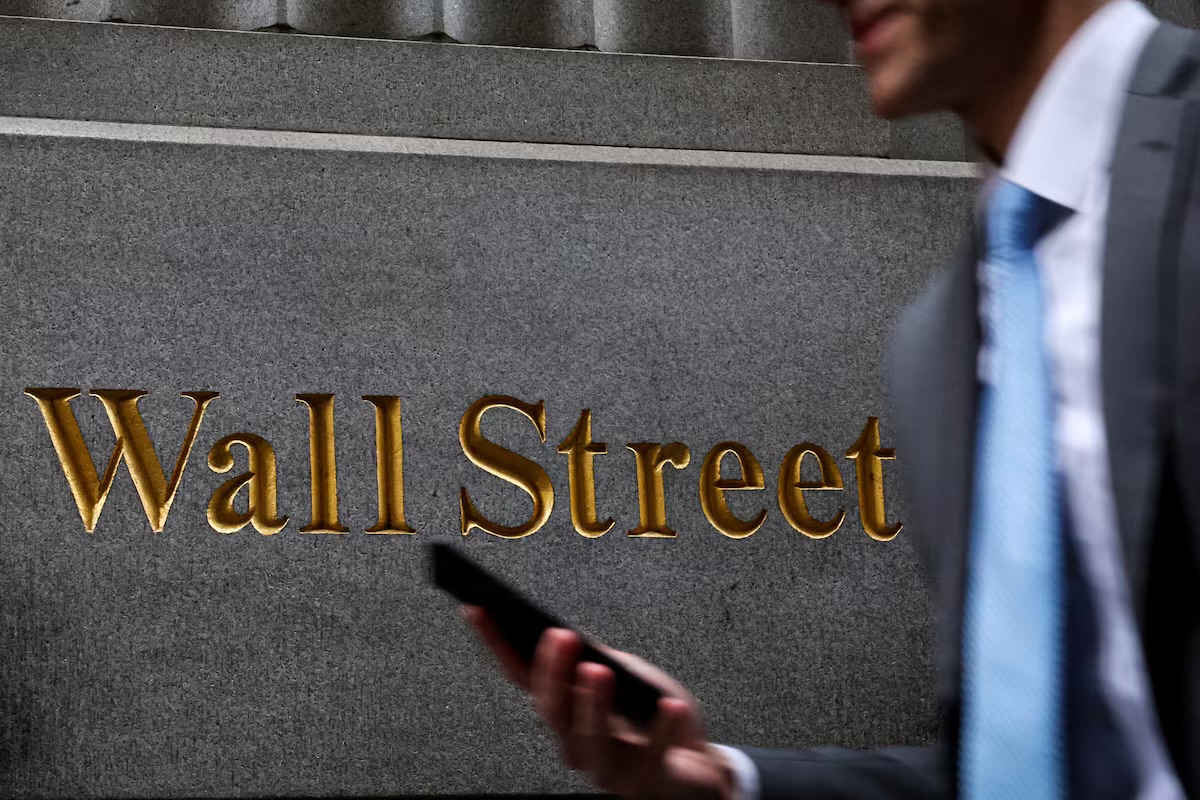
MARKET INSIDER – Wall Street stumbled again Wednesday as rising oil prices and intensifying military tensions in the Middle East renewed concerns about the global economic fallout from the Iran conflict.
The Dow Jones Industrial Average dropped about 325 points, or 0.7%, while the S&P 500 slipped 0.2%. The Nasdaq Composite managed a modest 0.1% gain as investors continued rotating toward technology shares amid geopolitical uncertainty.
Energy markets remain the dominant driver of sentiment. West Texas Intermediate crude climbed roughly 3% to around $86 per barrel, while Brent crude advanced toward $91. The rebound followed fresh reports of military clashes near the Strait of Hormuz, where U.S. forces reportedly destroyed several Iranian vessels, including 16 ships suspected of laying naval mines in the critical shipping corridor.
The escalation underscores the fragile state of global energy supply. Shipping authorities from United Kingdom Maritime Trade Operations also reported projectile strikes on three cargo vessels operating near Iran’s coastline, including one ship inside the Strait of Hormuz itself—further heightening concerns about disruptions to the artery that carries roughly a fifth of global oil trade.
Markets did receive some relief earlier in the day after the International Energy Agency announced plans to release a record 400 million barrels from emergency reserves to offset supply disruptions caused by the war. However, analysts warn that strategic stockpile releases can only cushion the impact temporarily if the conflict drags on.
Barclays strategist Emmanuel Cau said markets appear to be balancing two competing narratives: the possibility of rapid de-escalation after comments from Donald Trump suggesting the war could end soon, and the risk that prolonged oil price spikes could erode corporate earnings and equity valuations.
Meanwhile, the latest Consumer Price Index report showed U.S. inflation rising 2.4% year over year in February, in line with expectations. The data arrives as investors increasingly watch whether higher energy prices could reignite inflation pressures just as the labor market begins to show signs of cooling.
One bright spot on Wall Street came from Oracle, whose shares surged about 13% after the company reported stronger-than-expected earnings and lifted its long-term revenue outlook.
For global investors, the message is becoming clearer: the direction of oil prices—not just economic data—may determine the next phase of the market cycle. If energy markets stabilize, equities could quickly recover. But if tensions around the Strait of Hormuz continue to escalate, the conflict could evolve into the most significant geopolitical risk facing global markets this year.
