
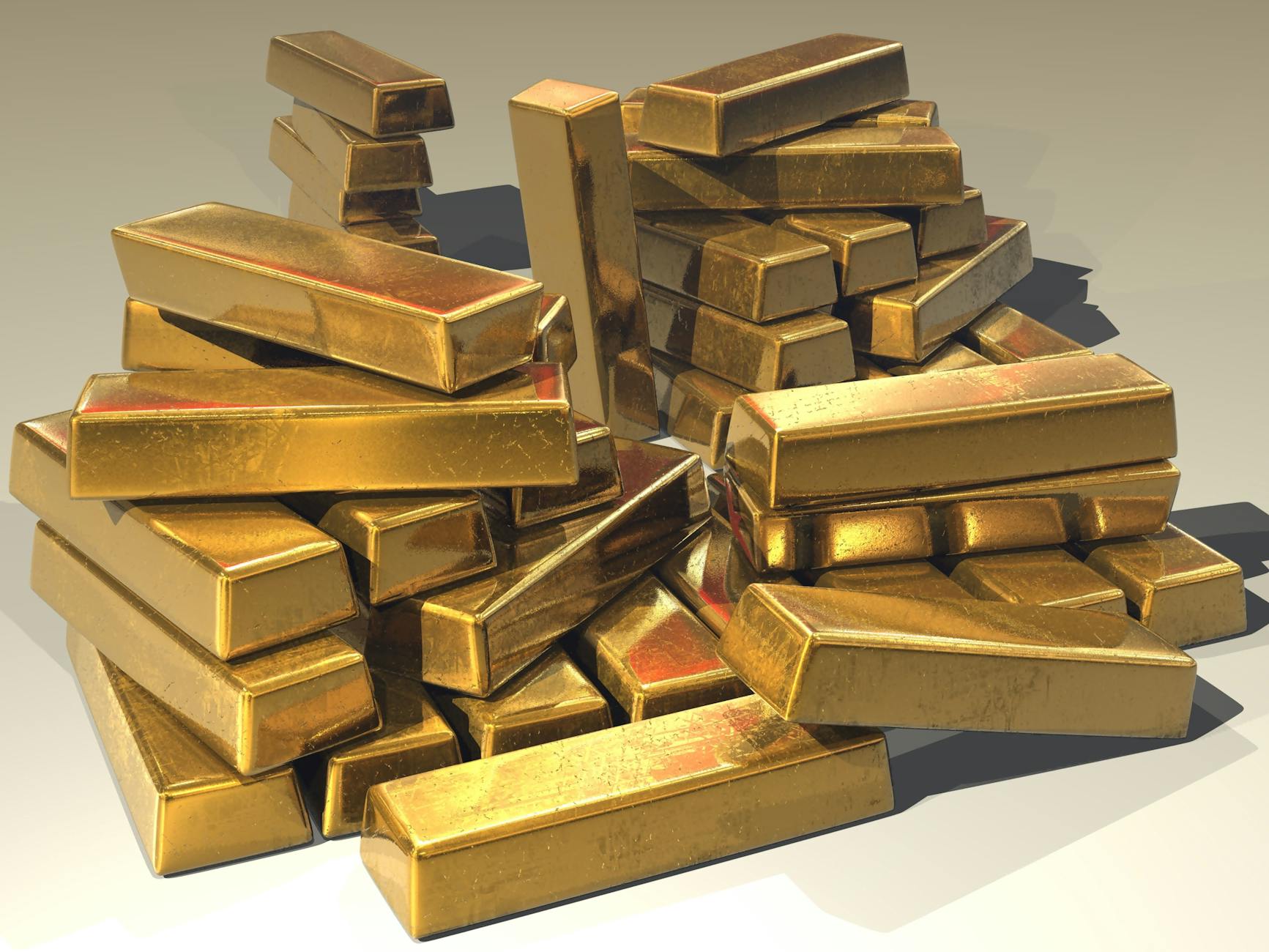
Bullion hits one-month low as surging energy prices raise inflation risks and dampen rate-cut hopes.
MARKET INSIDER – Gold prices dropped sharply after renewed inflation concerns pushed investors to reassess expectations for U.S. monetary policy. Spot Gold fell about 2% to roughly $4,903 per ounce, its lowest level in a month, while U.S. futures for April delivery also slid to around $4,907, as traders braced for a potentially more hawkish stance from the Federal Reserve.
The decline reflects a growing belief that interest rates may stay “higher for longer”, particularly as rising oil prices threaten to reignite inflation. According to Jamie Dutta, the longer the Middle East conflict continues, the greater the likelihood that central banks will delay rate cuts to contain price pressures. Elevated energy costs have already pushed Brent crude above $100 per barrel for several consecutive sessions.
Paradoxically, while gold is often viewed as a hedge against geopolitical turmoil and inflation, higher interest rates can undermine its appeal. When borrowing costs rise, investors are drawn toward yield-bearing assets such as bonds, increasing the opportunity cost of holding non-interest-bearing bullion.
Geopolitical tensions have added another layer of volatility. The ongoing conflict between Iran and Israel intensified this week after Iranian missiles reportedly targeted Tel Aviv following Israel’s assassination of Iranian security official Ali Larijani, according to Iranian state media.
Investors are now focused on remarks from Jerome Powell, whose comments following the central bank’s policy meeting could provide clues about the trajectory of interest rates for the rest of 2026. Futures markets currently anticipate only one quarter-percentage-point rate cut this year, potentially arriving in September, with another possible reduction not expected until late 2027.
Despite the near-term pullback, analysts argue the long-term case for gold remains intact. Structural drivers—including strong purchases by central banks, diversification away from traditional reserve currencies, and the risk of stagflation—could support higher bullion prices over time.
Other precious metals also weakened during the session. Silver slipped about 1.2%, while Platinum and Palladium each fell more sharply.
For global investors, the latest move highlights a familiar tension in commodity markets: geopolitical shocks may boost safe-haven demand, but if they also fuel inflation and tighter monetary policy, even gold can struggle in the short term.
