
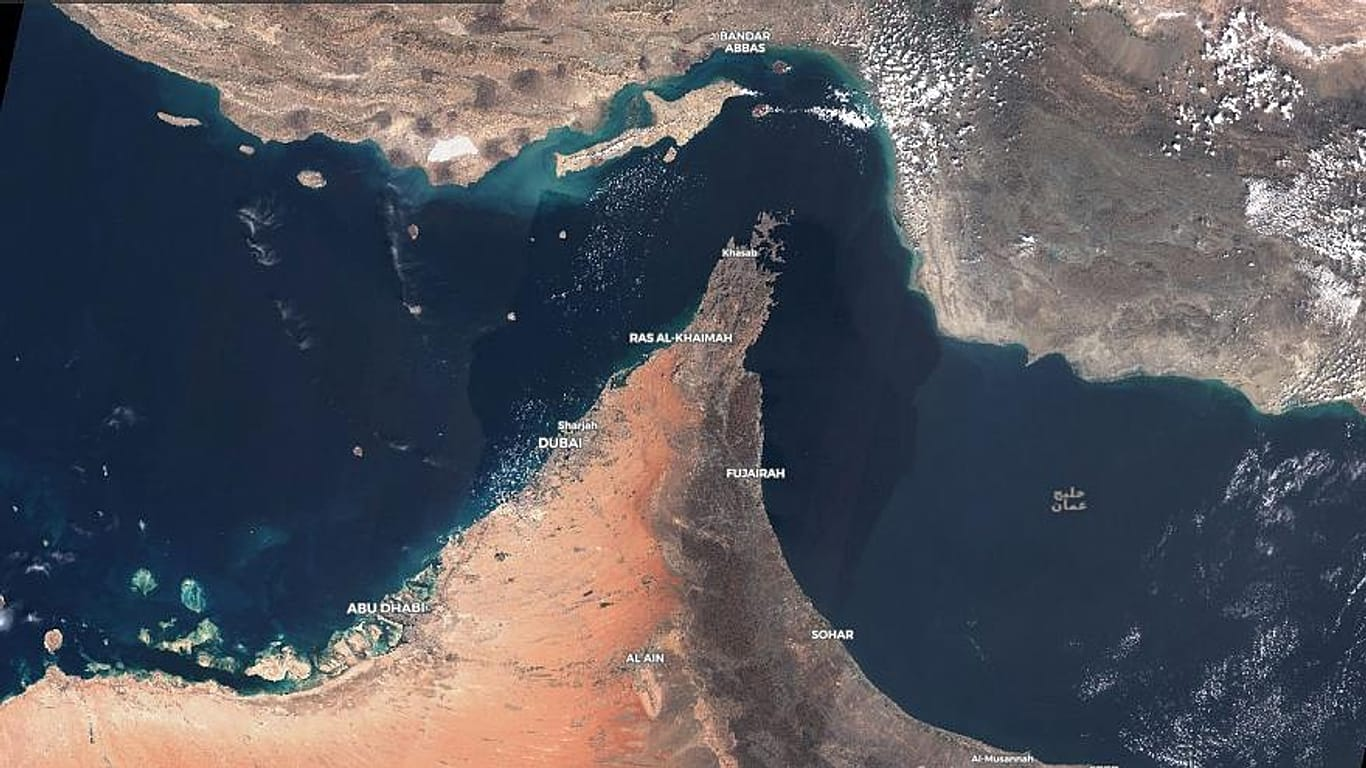
Tehran lets Pakistani ships pass, hinting at fragile progress as oil markets and global trade remain on edge
MARKET INSIDER – The world’s most critical energy chokepoint just showed its first crack of relief. Iran’s decision to allow a limited number of ships through the Strait of Hormuz is being framed as a diplomatic gesture—but for global markets, it’s a signal that tensions may be shifting from outright confrontation to calculated negotiation.
With nearly a fifth of global oil supply flowing through the strait, even a partial reopening carries outsized implications for energy prices, shipping insurance costs, and geopolitical risk premiums. Investors from New York to Singapore are watching closely: is this the beginning of de-escalation—or a tactical pause in a widening conflict?
Iran will permit 20 Pakistani vessels to transit the strait at a pace of two ships per day, according to Pakistan’s Deputy Prime Minister and Foreign Minister Ishaq Dar, who described the move as a “meaningful step toward peace.” The announcement, publicly directed at U.S. officials including Secretary of State Marco Rubio and envoy Steve Witkoff, underscores the high-stakes diplomacy underway behind the scenes.
The gesture follows claims by President Donald Trump that Iran had already allowed passage to several ships as a goodwill signal—though details remain unclear and contested. At the same time, reports suggest Tehran is tightening its control over the waterway, potentially introducing transit fees for safe passage. If confirmed, this would mark a significant shift in how global shipping navigates one of its most vital corridors.
The timing is critical. Vessel tracking data indicates only a handful of ships have exited the Persian Gulf in recent days, reflecting continued caution among shipping operators. Meanwhile, the conflict is widening: Iran-backed Houthi forces have launched missiles toward Israel, raising the risk that disruptions could extend beyond Hormuz into the Red Sea—a dual choke point scenario that would send shockwaves through global supply chains.
Despite tentative signals, the broader outlook remains uncertain. U.S. officials now acknowledge the conflict could extend beyond initial timelines, while Iran continues to deny formal negotiations are taking place. Washington has set an early April deadline tied to reopening the strait, but Tehran insists any resolution must recognize its sovereignty over the passage.
For global investors, the takeaway is clear: this is not a resolution—it’s a recalibration. Limited access to Hormuz may ease immediate pressure, but it also introduces a new variable into the geopolitical equation: controlled instability. The question now is whether markets will interpret this as a pathway to peace—or price in a prolonged era of strategic disruption.
