
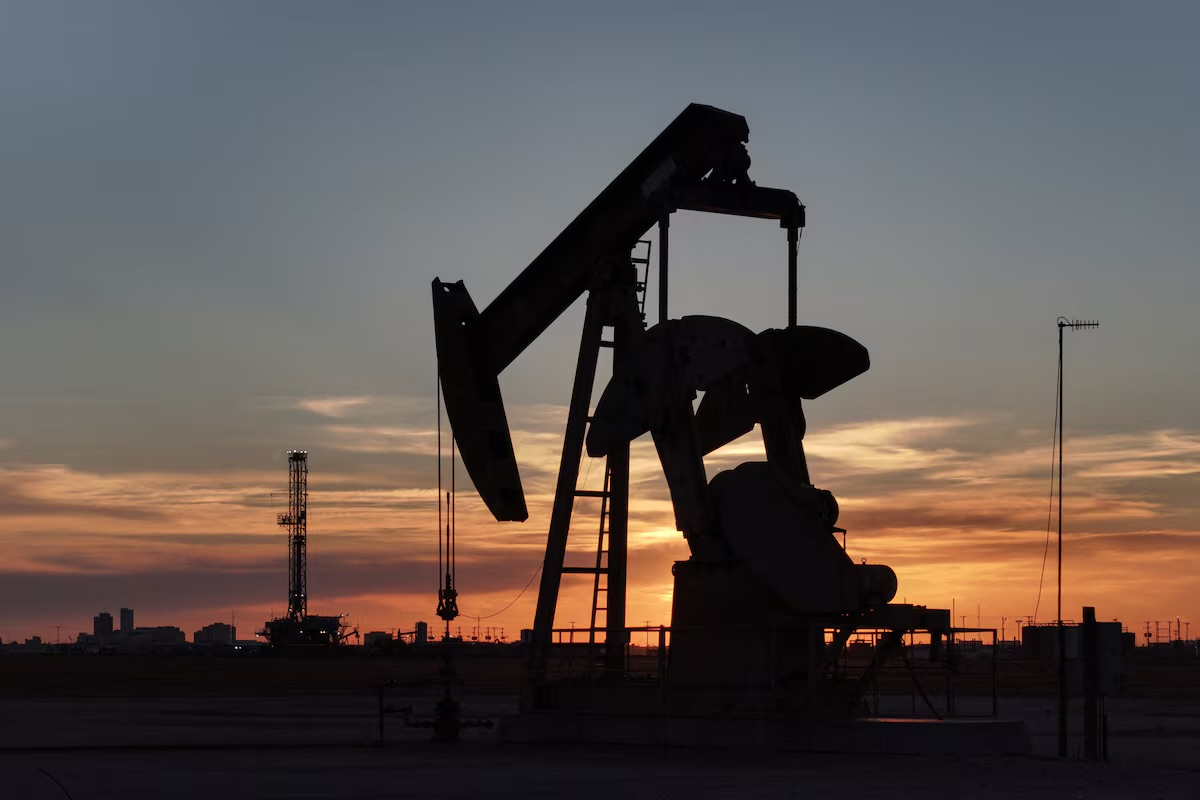
Crude climbs above $106 as diplomatic confusion fuels supply fears and inflation risks.
MARKET INSIDER – Oil markets surged again as hopes for a diplomatic breakthrough dimmed, after Iran ruled out direct negotiations with Washington—even while reviewing a U.S. proposal to end the conflict. The conflicting signals have reinforced uncertainty around global energy flows, pushing crude prices higher and reigniting inflation concerns.
Brent crude rose nearly 4% to above $106 per barrel, while West Texas Intermediate climbed to around $93.60, extending volatility driven largely by geopolitical developments rather than underlying supply-demand fundamentals.
At the center of the tension is a widening disconnect in messaging. Iranian Foreign Minister Abbas Araghchi reiterated that indirect exchanges through mediators do not constitute negotiations, while Donald Trump continues to insist that talks are underway and progressing. This divergence has made it increasingly difficult for markets to assess the true trajectory of the conflict.
The stakes are high. The war has already disrupted energy flows across the Strait of Hormuz, a route that carries roughly one-fifth of global supply. Any prolonged uncertainty—or further escalation—could tighten supply conditions and sustain elevated prices.
Despite the surge in oil, central bank response may remain measured. Analysts at TD Securities suggest the Federal Reserve is unlikely to react aggressively to the current energy shock, viewing it as potentially temporary unless it feeds into broader inflation expectations. For now, policymakers are expected to remain in a “wait-and-see” mode, even as markets begin to reprice the risk of prolonged inflation.
For investors, the message is increasingly binary. If diplomacy progresses—even indirectly—oil prices could stabilize quickly. But if negotiations remain stalled or deteriorate further, the market may continue to price in a prolonged disruption scenario, with implications for inflation, interest rates, and global growth.
In today’s environment, oil is no longer just a commodity—it is a real-time barometer of geopolitical risk. And until clarity emerges, volatility is likely to remain the only constant.
