
Tehran signals retaliation while global powers race to reopen Hormuz and prevent a deeper energy crisis
MARKET INSIDER – The risk of a full-scale Middle East war is no longer theoretical—it is being priced into global oil markets, shipping routes, and political stability. As Iran accuses the United States of preparing a ground invasion, a parallel diplomatic scramble led by Pakistan underscores what is truly at stake: the uninterrupted flow of energy that powers the global economy.
At the center of the crisis is the Strait of Hormuz, a maritime artery responsible for roughly 20% of global oil and liquefied natural gas shipments. Its effective disruption has already triggered sharp increases in long-term oil prices, rattling supply chains from Asia to Europe and raising fears of a renewed inflation shock worldwide.
As the conflict enters its second month, military escalation is accelerating on multiple fronts. Israel has intensified strikes on Iranian military infrastructure in Tehran, while Iran has responded with missile barrages that forced millions of civilians into shelters. Meanwhile, Iran-aligned Houthi forces in Yemen have re-entered the conflict, raising alarms over potential attacks in the Bab el-Mandeb Strait—another critical gateway linking global trade routes to the Suez Canal.
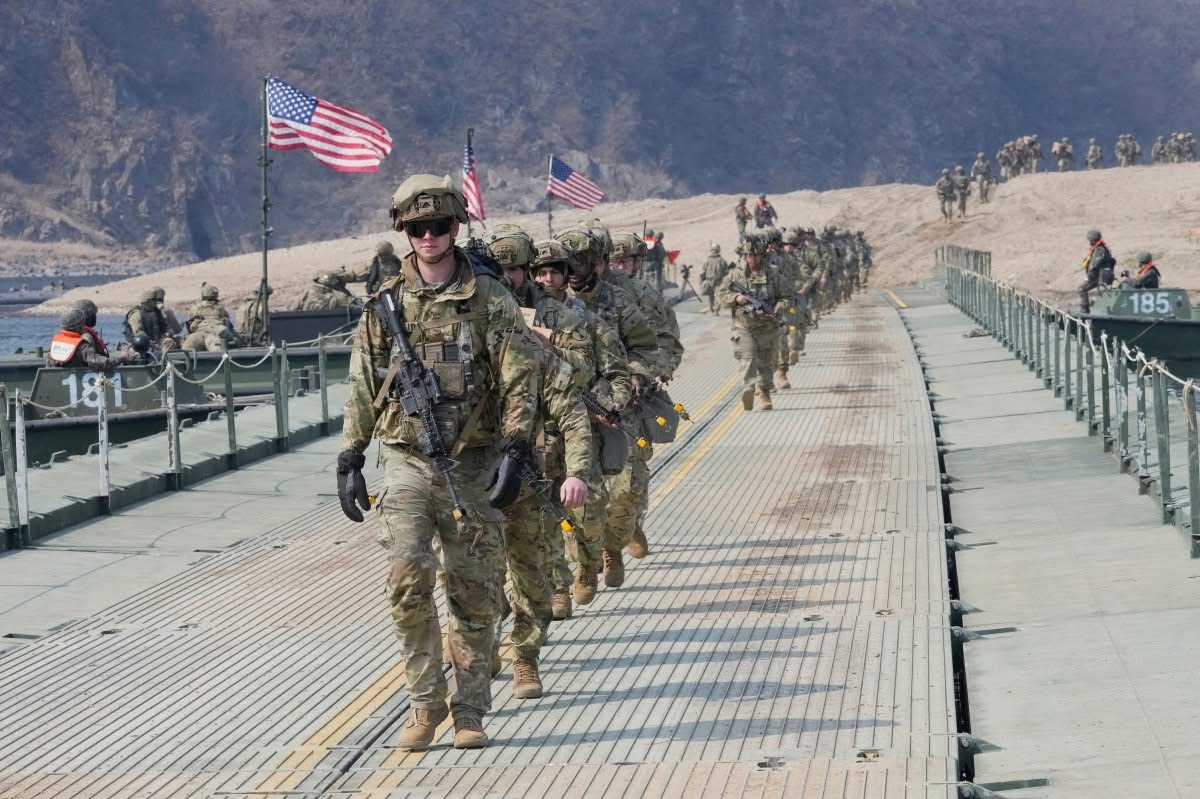
Behind the battlefield dynamics, Washington is quietly positioning for a broader military option. The deployment of thousands of U.S. Marines to the region signals that contingency planning for ground operations is no longer off the table. While Donald Trump faces mounting domestic pressure ahead of midterm elections, analysts warn that any escalation could lock the U.S. into a prolonged and politically costly conflict with no clear endgame.
At the same time, diplomacy is struggling to keep pace with events. Talks hosted in Islamabad by Pakistan, alongside Saudi Arabia, Turkey, and Egypt, are exploring proposals to stabilize shipping lanes and reopen Hormuz. Washington’s reported 15-point ceasefire plan—centered on maritime access and curbs on Iran’s nuclear program—has already been rejected by Tehran, highlighting the widening gap between negotiation frameworks and battlefield realities.
For global markets, the implications are immediate and severe. Energy security concerns are converging with supply chain disruptions, while insurance premiums for shipping through key chokepoints are surging. The longer Hormuz remains constrained, the higher the probability of sustained oil price inflation—impacting everything from manufacturing costs in China to consumer prices in Europe and the United States.
The most consequential question now is not whether escalation will continue, but whether any actor still has the leverage to de-escalate. If Hormuz becomes a prolonged flashpoint, this conflict could mark the beginning of a structural shift in global energy logistics—forcing economies to rethink supply dependencies in ways not seen since the 1970s oil shocks.
