
Rift over Iran war and Hormuz crisis raises fears of a historic break in Western defense unity
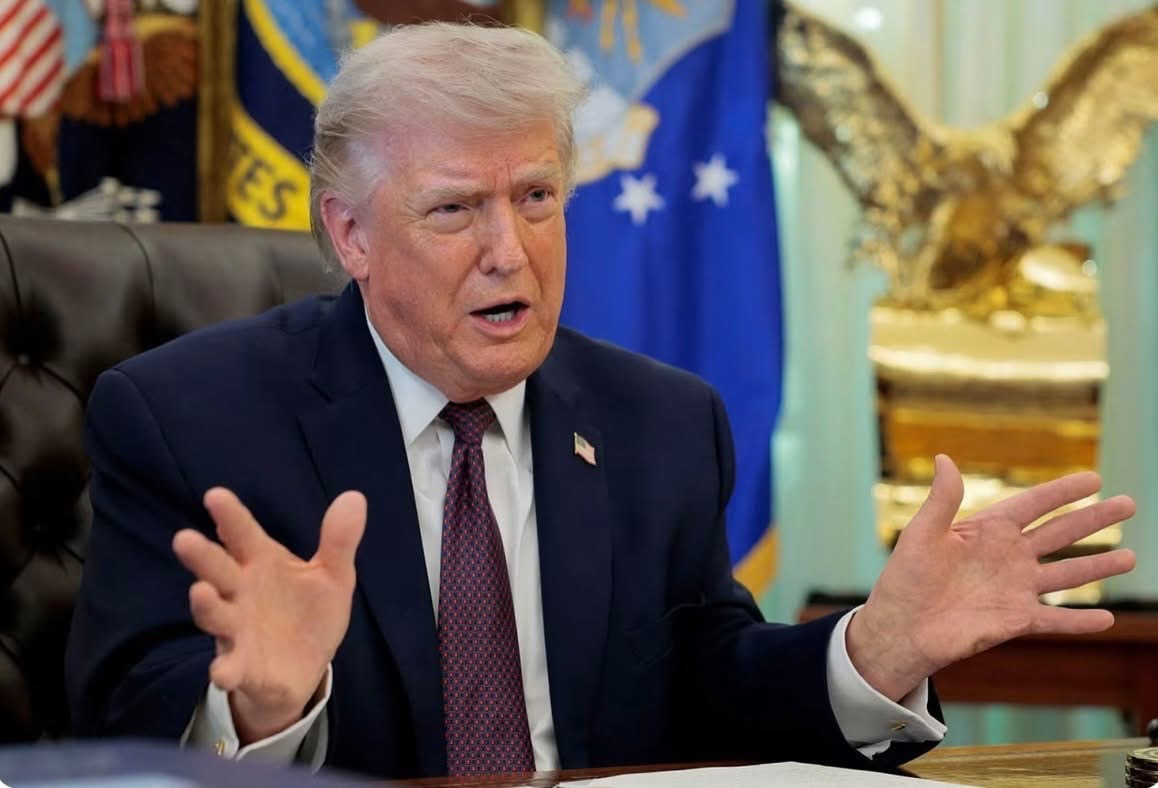
MARKET INSIDER – The prospect of the United States walking away from NATO is no longer theoretical—and global markets, energy routes, and geopolitical stability could all be caught in the fallout. U.S. President Donald Trump has openly floated the idea of exiting the alliance, branding it a “paper tiger” amid escalating tensions with European allies over the Iran conflict and the strategic Strait of Hormuz.
At stake is more than a diplomatic dispute. NATO has underpinned Western security for nearly eight decades, and any U.S. withdrawal would redraw the global balance of power—impacting everything from defense spending in Europe to oil prices and supply chain security across Asia and the Middle East.
Trump’s latest remarks, delivered in an interview with The Telegraph, reflect deep frustration with what he sees as a lack of reciprocity from NATO members. European allies have refused to support U.S. military operations against Iran or deploy naval forces to secure the Strait of Hormuz, a chokepoint through which roughly 20% of the world’s oil supply flows. For Washington, the refusal signals a breakdown in alliance cohesion; for Europe, it reflects growing resistance to entering another prolonged Middle East conflict.
Leaders across Europe, including U.K. Prime Minister Keir Starmer, have framed their stance as a matter of national interest and strategic caution. Starmer has resisted mounting pressure to join the U.S. campaign, emphasizing the risks of escalation and reaffirming the U.K.’s need to balance ties between Washington and continental Europe. Behind the scenes, many European officials view the Iran conflict as a unilateral U.S. decision—one that does not automatically trigger NATO’s collective defense obligations.
The dispute has exposed a deeper structural tension within NATO itself. While the alliance is built on mutual defense—responding to attacks on member states—it does not mandate participation in offensive operations. Trump, however, has framed NATO as a transactional arrangement, arguing that U.S. support in Ukraine and elsewhere should be matched by automatic backing in return. Critics counter that this reinterpretation risks undermining the very principles NATO was founded on.
Signals from Washington suggest this is not mere rhetoric. Secretary of State Marco Rubio has indicated that the U.S. may “re-examine” its NATO commitments after the Iran conflict, particularly if allies continue to deny access to strategic bases or decline joint operations. Such a review could trigger a cascading shift in global defense architecture, forcing Europe to accelerate military self-reliance while opening strategic space for rivals like Russia and China.
For investors and policymakers, the implications are immediate. A fractured NATO could drive higher defense budgets across Europe, reshape energy trade routes, and inject volatility into already fragile global markets. The Strait of Hormuz crisis alone has the potential to spike oil prices, while uncertainty around transatlantic security cooperation could weigh on currencies, equities, and long-term investment flows.
What makes this moment pivotal is not just the rhetoric—but the convergence of geopolitical stress points: an active Middle East conflict, strained transatlantic relations, and a shifting global power structure. If NATO’s cohesion weakens, the world may be entering a new era where alliances are less predictable, more transactional, and increasingly shaped by national interest over collective security.
The real question now is whether this is negotiating leverage—or the beginning of a structural break. If Washington follows through, NATO’s future—and the stability it has long guaranteed—could become the biggest geopolitical risk markets have yet to fully price in.
