
Trump’s Iran escalation drives crude above $110, rattling global markets and inflation outlook
MARKET INSIDER – The fragile calm in global markets shattered overnight as a renewed escalation in the Middle East sent oil prices surging past $110 a barrel—triggering a sharp sell-off across U.S. equities. Investors are once again confronting a familiar but dangerous equation: geopolitical conflict, energy shocks, and the risk of persistent inflation derailing economic momentum.
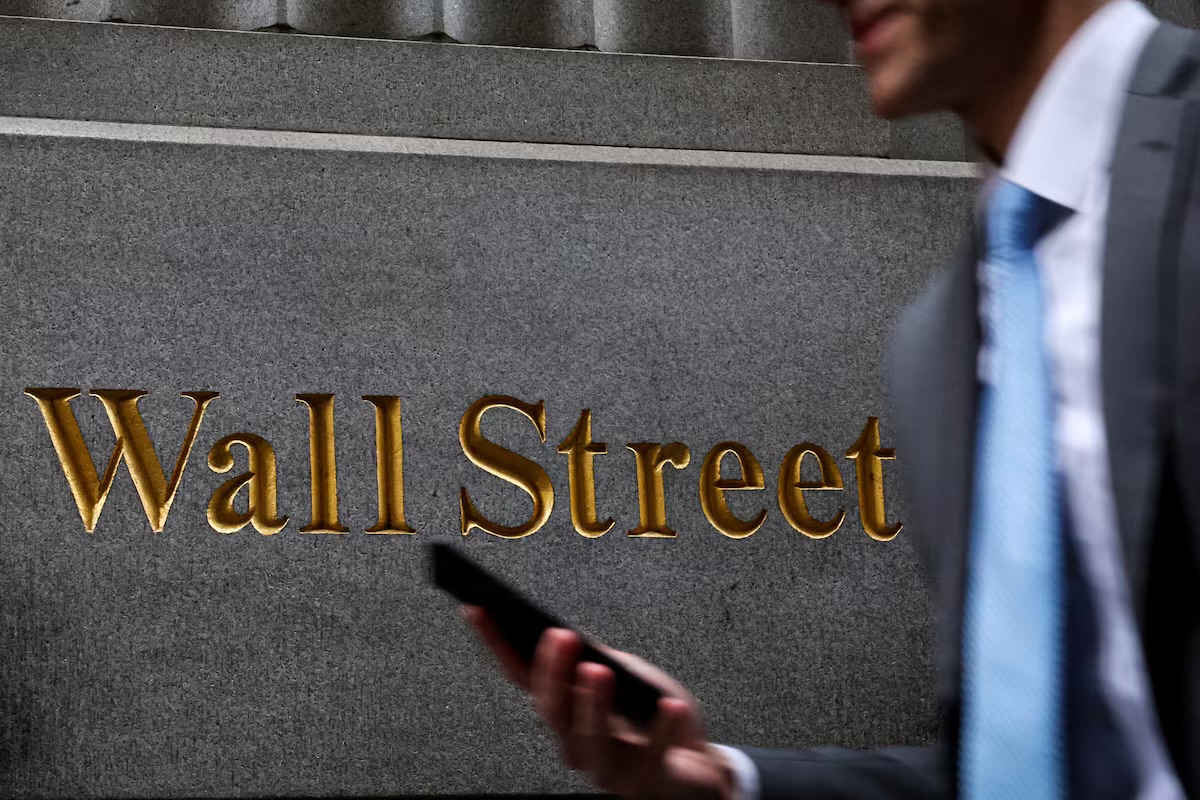
Wall Street reacted swiftly. The Dow Jones Industrial Average dropped 546 points, or 1.2%, while the S&P 500 and Nasdaq Composite fell 1.2% and 1.6% respectively, erasing gains from the previous session. The downturn followed remarks from Donald Trump, who signaled that military action against Iran could intensify rather than wind down, despite earlier hints of a potential ceasefire.
Energy markets responded immediately. U.S. benchmark West Texas Intermediate jumped more than 10% to above $111 per barrel, while Brent Crude climbed past $108. The surge reflects growing fears that supply disruptions could escalate if tensions threaten key shipping routes such as the Strait of Hormuz, a critical artery for roughly one-fifth of global oil flows.
For investors, the implications extend far beyond energy prices. Higher crude costs act as a stealth tax on consumers and businesses, compressing spending power and margins simultaneously. Market strategists warn that prolonged oil strength could stall the global disinflation trend just as central banks—particularly the Federal Reserve—are weighing their next policy moves. With rate cuts already uncertain, a sustained energy shock could force policymakers into a prolonged holding pattern.
The volatility also underscores how quickly sentiment can flip. Just a day earlier, markets rallied on speculation that Iran had signaled openness to a ceasefire. But shifting rhetoric from Washington—paired with unresolved geopolitical risks—has reinforced a key lesson for global investors: in today’s environment, macro headlines can override fundamentals in a matter of hours.
As markets head into a shortened trading week ahead of Good Friday, attention now turns to U.S. labor data and whether economic resilience can withstand mounting external shocks. The bigger question, however, is structural: if oil remains elevated, are markets underpricing a second wave of inflation?
That uncertainty may define the next phase of global investing. In a world where geopolitics increasingly dictates price action, the real opportunity—and risk—lies not in predicting the next headline, but in understanding how quickly it can rewrite the market narrative.
