
Shipping stalls as Tehran alleges violations—oil markets brace for shockwaves
MARKET INISDER – The world’s most critical oil chokepoint is once again at the center of geopolitical तनाव as a fragile ceasefire between the United States and Iran shows signs of unraveling. Conflicting claims over military actions in Lebanon and sudden disruptions to shipping through the Strait of Hormuz are raising alarm across global energy markets, where even minor instability can send prices surging.
Tehran’s elite Islamic Revolutionary Guard Corps (IRGC) said vessel traffic through the strait slowed sharply before halting altogether following what it described as a violation of the ceasefire by Israel. The White House, however, has maintained that operations in Lebanon fall outside the scope of the US–Iran agreement, underscoring the ambiguity—and fragility—of the current truce.
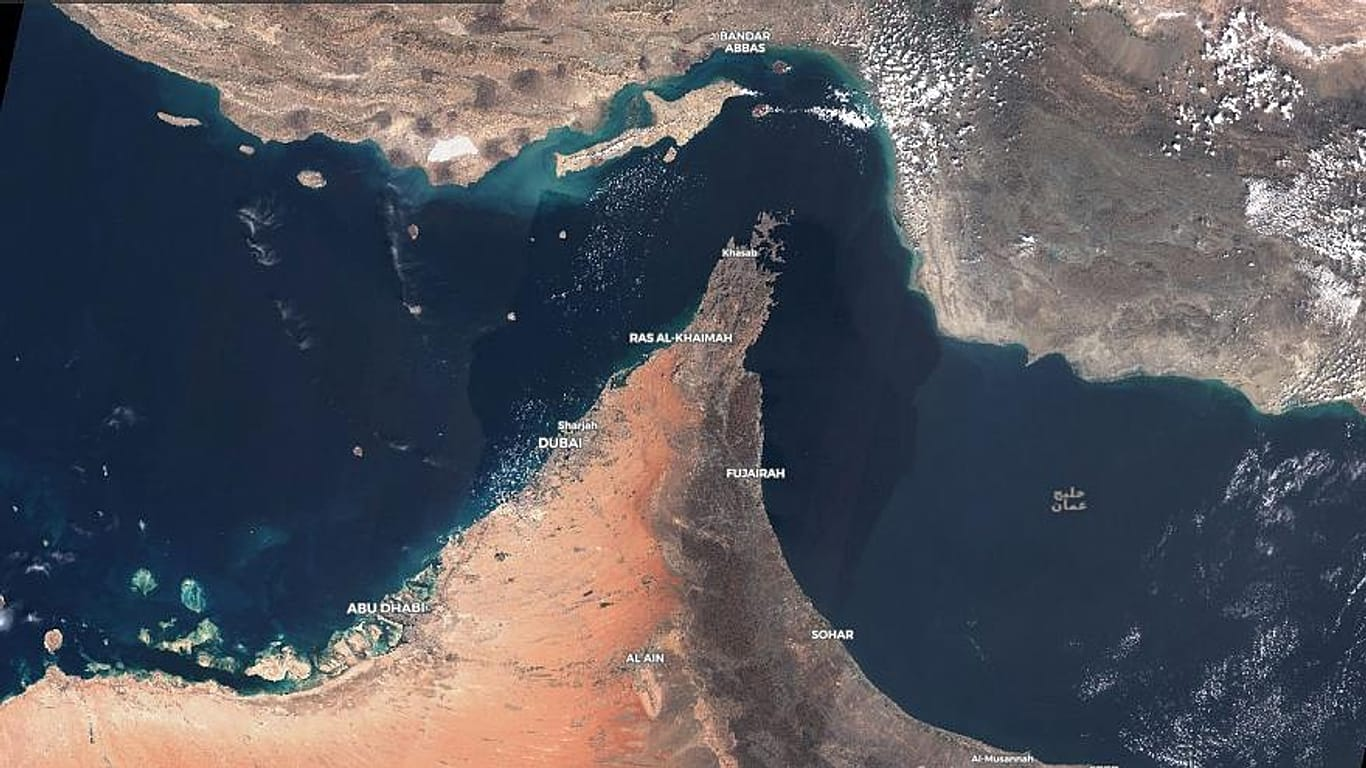
At stake is far more than regional stability. Roughly 20% of the world’s oil supply flows through the Strait of Hormuz, making it one of the most strategically vital corridors in global trade. Vessel-tracking data from MarineTraffic showed no active transits at one point, a stark reversal after shipping had briefly resumed following the ceasefire earlier this week. Even temporary disruptions here can ripple through supply chains from Asia to Europe, pushing up energy costs and reigniting inflationary pressures.
The tensions escalated as Donald Trump and Israeli Prime Minister Benjamin Netanyahu reiterated that the ceasefire does not restrict Israeli operations against Hezbollah in Lebanon. Israel’s latest strikes—its largest coordinated assault since the conflict began—left at least 182 dead, according to Lebanese authorities, intensifying regional volatility just as diplomatic efforts were set to resume.
Those diplomatic efforts now hang in the balance. A high-level US delegation, including Vice President JD Vance and envoy Steve Witkoff, is scheduled to begin talks in Islamabad. Yet Iranian officials have already accused Washington of breaching elements of the proposed framework before negotiations even start, signaling a widening trust deficit that could derail progress.
Tehran insists it retains “smart management” over the strait, even as it allowed select tankers—including Iranian and Chinese vessels—to pass. But the sudden halt of broader traffic following Israeli strikes suggests that control over Hormuz is becoming a geopolitical lever rather than a stabilizing commitment.
For global investors, the message is clear: this is no longer a contained regional dispute. If Hormuz remains unstable, oil price volatility could return with force, reshaping inflation trajectories, central bank policies, and risk sentiment worldwide. The bigger question now is not whether tensions will escalate—but whether markets are underestimating just how quickly a fragile ceasefire can collapse into a full-scale economic shock.
